Psychology says adults who can't fall asleep until everyone else in the house is asleep aren't insomniacs, they spent childhood being the one who stayed alert in case something happened that nobody else was prepared for
May 2, 2026 - 15:08
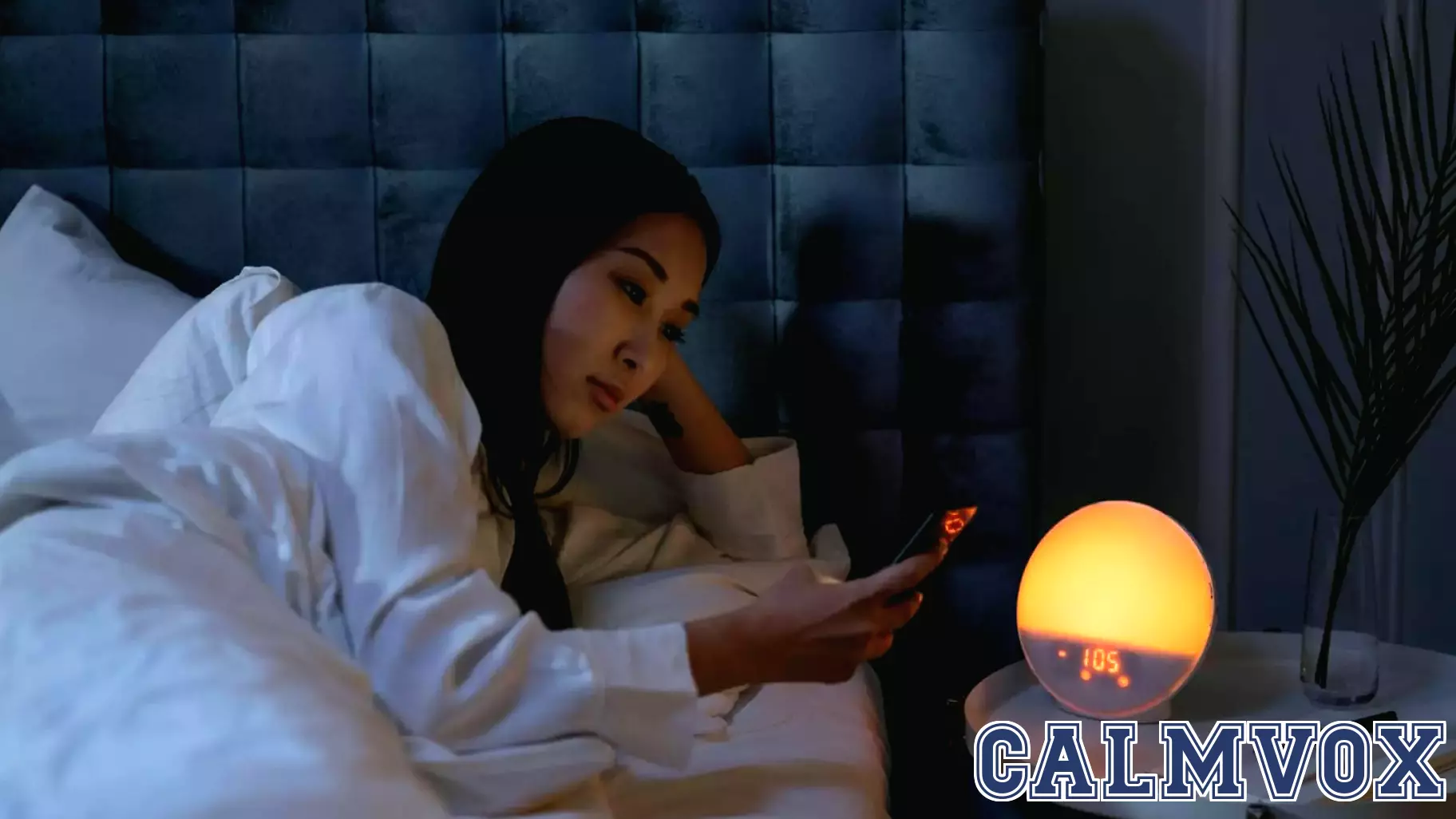
A growing body of sleep psychology suggests that adults who cannot drift off until every other person in the house has settled are not suffering from classic insomnia. Instead, they are likely carrying a survival pattern installed during childhood. These individuals spent their early years as the one who stayed alert, scanning for danger while others rested. The nervous system learned that safety required constant vigilance, and it never received the formal signal to stand down.
This pattern often emerges in homes where a child felt responsible for monitoring a volatile parent, a sick sibling, or an unpredictable environment. The brain encoded a rule: sleep only when everyone else is accounted for and safe. Decades later, that same adult lies awake listening for footsteps, waiting for the last door to close, the last light to go dark. Their body refuses to release cortisol until the house is still.
Recent research into hypervigilance and sleep onset confirms that this is not a failure of sleep hygiene. It is a conditioned response that once served a real purpose. The person in question is not broken. They are a former guardian who never got to retire. The path forward involves slowly teaching the nervous system that the watch is over, but that takes time, patience, and often professional support.
MORE NEWS

July 31, 2026 - 07:07
Psychologist Reveals the Real Reason So Many Adult Children Cut Off Their ParentsNew data shows that more than a third of Americans have experienced estrangement from an immediate family member, and the most common fracture is between adult children and their parents. While...

July 30, 2026 - 20:28
‘The Odyssey’ is a striking portrait of the psychological wounds that can emerge when people violate their deepest valuesChristopher Nolan`s latest film reimagines Homer`s `The Odyssey` not as a heroic adventure but as a stark portrait of psychological wounds. The director focuses on moral injury, a condition often...

July 29, 2026 - 18:52
Psychologists Explain Why So Many People Hook Up With an Ex Over the SummerA new survey has revealed a seasonal trend in romance: a significant number of singles report reconnecting with an ex during the summer months. While the phenomenon might seem like a simple case of...

July 29, 2026 - 17:00
The Cost of Misdiagnosing Postpartum PsychosisThe tragic consequences of misdiagnosing postpartum psychosis are becoming impossible to ignore. Across the country, new mothers who desperately try to communicate their symptoms are often...