Workplace Well-Being After 6 Years of Collective Strain
June 19, 2026 - 00:57
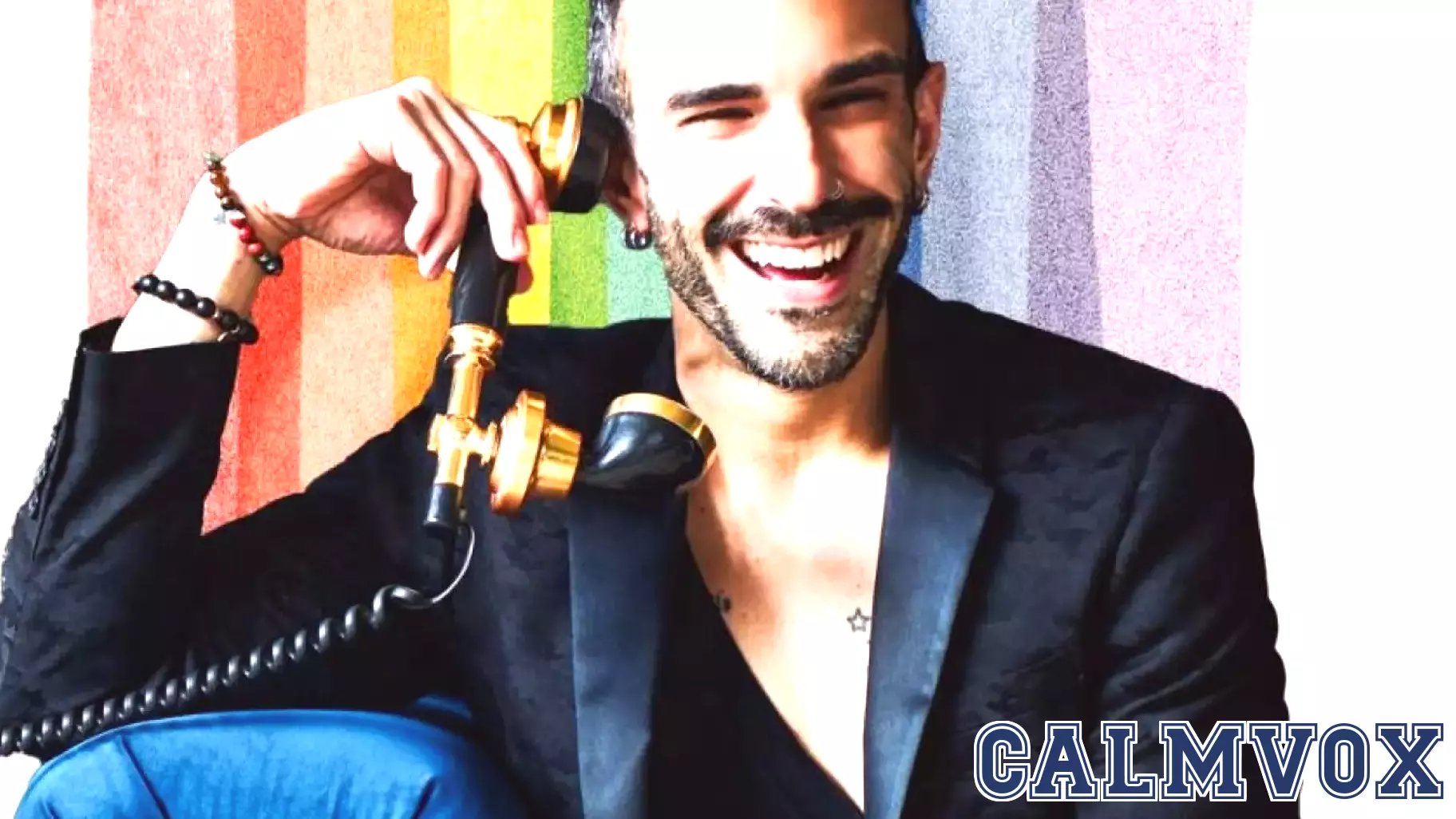
Over the last six years, workplaces have become an unexpected reflection of collective psychological strain. The pandemic, economic instability, and shifting social expectations have stacked on top of each other, leaving employees and managers alike running on fumes. What started as a temporary crisis has settled into a long-term condition, and the old playbooks for morale and productivity no longer apply.
Many organizations responded with wellness apps, mental health days, and flexible hours. These helped, but they often treated symptoms rather than the root cause. The root cause is simpler and harder to fix: we are all innately human and need grace. That means acknowledging that a person may be doing their best even when their output dips. It means allowing space for grief, frustration, and burnout without penalizing the worker.
Leaders are now realizing that resilience cannot be demanded. It has to be cultivated through trust, clear boundaries, and genuine support. The most effective changes are not flashy. They include realistic workloads, regular check-ins that are not performance reviews, and a culture where saying "I am struggling" does not carry a risk of punishment.
After six years of collective strain, the workplace is not going back to normal. The goal now is to build something more sustainable, where well-being is not a perk but a foundation.
MORE NEWS

August 3, 2026 - 02:51
Why Partner Violence Less Recognized in LGBTQ RelationshipsWhen people picture domestic violence, they often default to a heterosexual scenario with a male aggressor and a female victim. That narrow image leaves many LGBTQ survivors invisible. The reality...

August 1, 2026 - 11:09
Psychology suggests who you end up close to isn't decided by looks or shared passions — it's proximity, plain nearness, because liking tends to grow for whoever we simply keep seeing, again and againWe like to believe that our closest relationships are written in the stars, a perfect alignment of chemistry, shared values, and that inexplicable spark. We credit fate, timing, and destiny. But...

July 31, 2026 - 07:07
Psychologist Reveals the Real Reason So Many Adult Children Cut Off Their ParentsNew data shows that more than a third of Americans have experienced estrangement from an immediate family member, and the most common fracture is between adult children and their parents. While...

July 30, 2026 - 20:28
‘The Odyssey’ is a striking portrait of the psychological wounds that can emerge when people violate their deepest valuesChristopher Nolan`s latest film reimagines Homer`s `The Odyssey` not as a heroic adventure but as a stark portrait of psychological wounds. The director focuses on moral injury, a condition often...