Understanding Trump's Impulsive Reactions to Foreign Policy Decisions
June 25, 2025 - 17:09
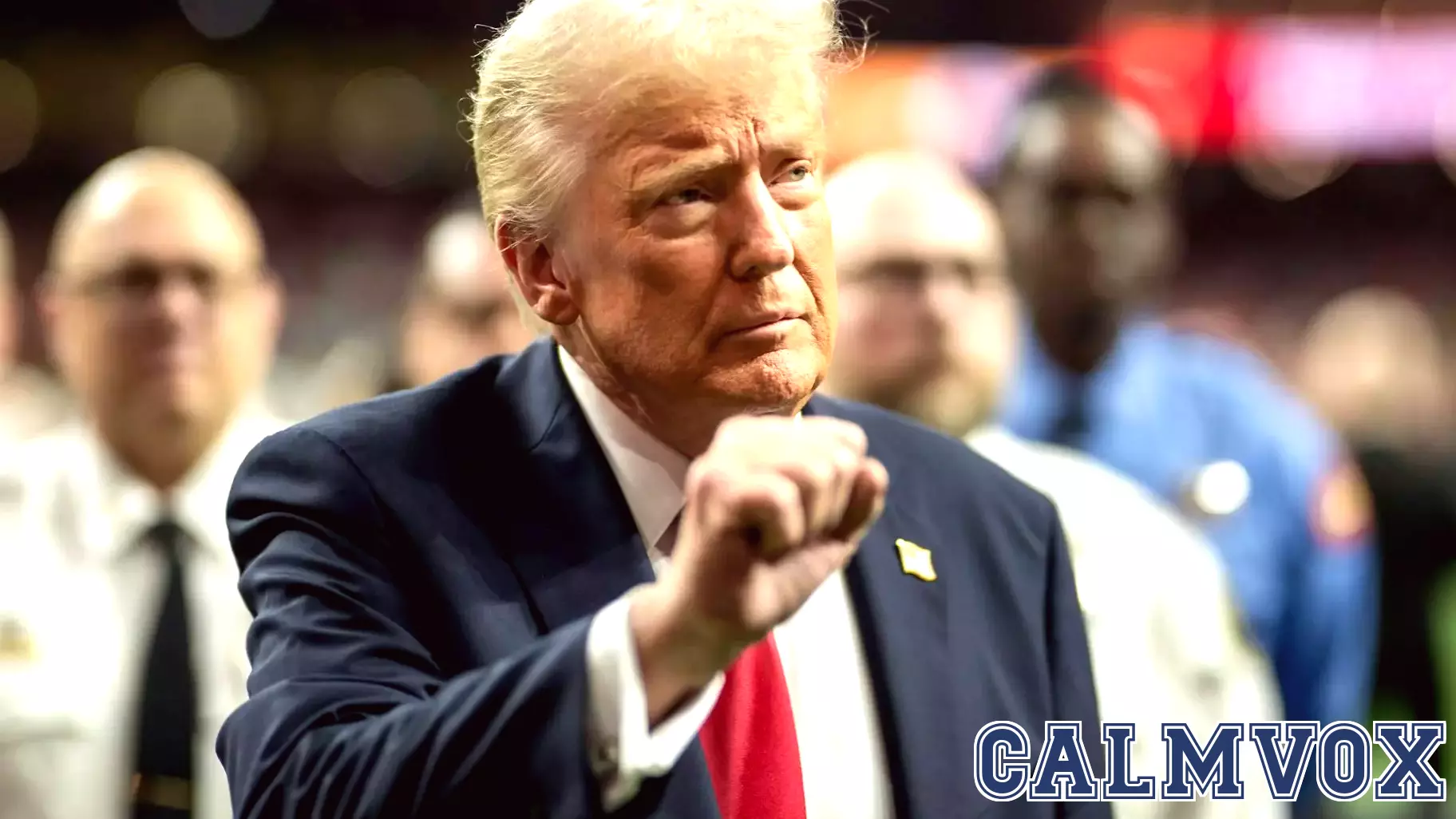
Donald Trump has garnered significant attention for his rapid and often emotional responses to foreign policy matters. A psychologist has offered insights into this behavior, suggesting that it stems from a combination of personality traits and the pressures of leadership.
The psychologist highlights that Trump's impulsive statements may be influenced by his need for instant gratification and a desire to assert dominance in international affairs. This tendency to react swiftly can be seen as an attempt to project strength and decisiveness, which he believes is crucial for maintaining his image and authority.
Moreover, the immediate nature of social media amplifies these reactions, allowing Trump to communicate his thoughts in real-time, often without the filter of careful consideration. This approach can lead to controversial statements that resonate with his base but may also provoke backlash from political opponents and foreign leaders.
Ultimately, understanding the psychological factors behind Trump's impulsive communication style can shed light on the complexities of his presidency and its impact on global relations.
MORE NEWS

July 15, 2026 - 00:31
Psychology says people who remain kind despite a difficult life aren't weak or in denial — they're often running on a kind of strength that only forms under sustained pressure, the way certain metals doThis resilience is not about ignoring pain. It is about processing it without letting it turn into bitterness. When someone faces betrayal, loss, or chronic struggle and still chooses empathy, they...

July 14, 2026 - 13:58
Psychology says people who are scared of darkness aren't necessarily weak, they may experience uncertaintyFor generations, being afraid of the dark has been dismissed as childish or a sign of weakness. But recent psychological perspectives challenge that assumption. Experts now suggest that a fear of...

July 13, 2026 - 21:52
Psychology says students who are backbenchers aren't trying to hide themselves, they may be choosing theiFor years, students who sit in the back of the classroom have been labeled as lazy, rebellious, or disengaged. Teachers and parents often assume they are trying to avoid attention or escape...

July 13, 2026 - 00:51
Psychology says people who keep clothes on a chair aren't untidy, they may be creating a practical middleFor years, leaving a pile of clothes draped over a chair has been seen as a sign of laziness or clutter. But a growing number of psychologists argue that this habit is actually a sign of a...