Why Poker Feels So Hard When You Have to Decide Fast
May 28, 2026 - 18:01
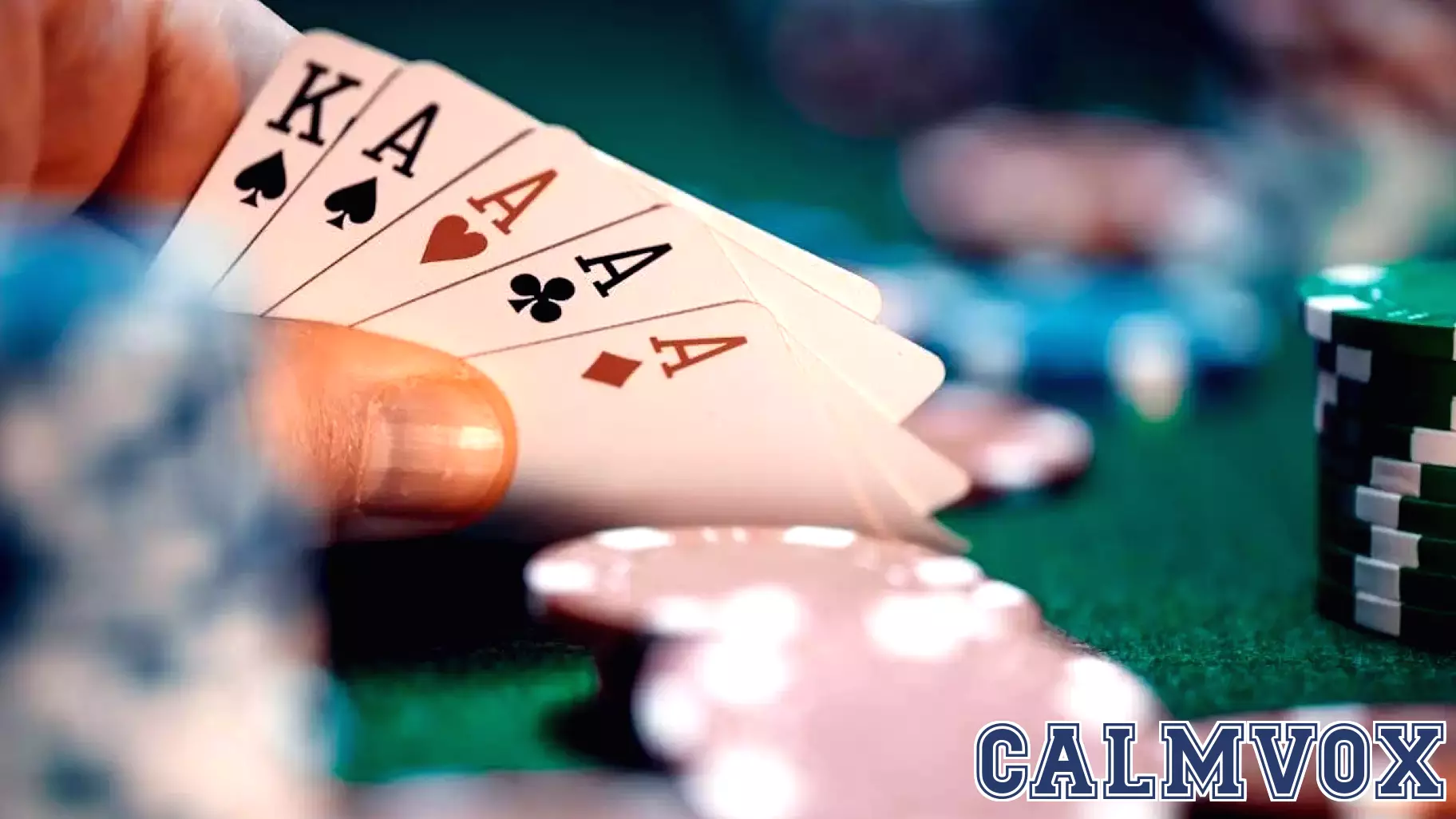
Poker rarely feels fast because cards move quickly. It feels fast because it requires you to make decisions with incomplete information. A player may know the rules, know the hand rankings, and understand basic strategy, but when the clock starts ticking, something shifts. The brain resists.
The psychology behind this is rooted in how humans handle uncertainty. In poker, every decision carries weight. You are betting real money on a guess about what someone else holds. The faster you have to guess, the more your brain signals caution. This is not a lack of skill. It is a natural response to risk.
When a player hesitates, it is often because they are weighing too many variables at once. They think about pot odds, opponent tendencies, position, and stack sizes. But the clock does not wait. That pressure triggers a fight-or-flight reaction. Some players freeze. Others make impulsive calls they later regret.
The difficulty is not about speed itself. It is about the gap between knowing what to do and trusting that knowledge under pressure. Fast decisions feel hard because the brain wants more time to confirm it is right. In poker, that confirmation rarely comes. The best players learn to accept uncertainty and act anyway. That is the real skill.
MORE NEWS

July 13, 2026 - 00:51
Psychology says people who keep clothes on a chair aren't untidy, they may be creating a practical middleFor years, leaving a pile of clothes draped over a chair has been seen as a sign of laziness or clutter. But a growing number of psychologists argue that this habit is actually a sign of a...

July 12, 2026 - 13:33
Silently rehearsing your coffee order in line isn't overthinking — it's your nervous system clearing a safe pathIf you have ever stood in a coffee shop line silently mouthing your order to yourself, you might have assumed you were just an anxious overthinker. But according to recent research in cognitive...

July 11, 2026 - 18:46
Psychology says people who don't watch television may not be missing out, they are just trying to spend thA growing body of psychological research suggests that people who choose not to watch television are not missing out on anything essential. Instead, they may be making a deliberate decision to...
July 11, 2026 - 09:47
Your Social Self-PortraitOf all the ways we have of representing who we are, we are missing what most distinguishes us: our social networks. New software programs make it possible and revealing. For years, we have relied...