I Watch Horror Movies Constantly—Here's What Psychologists Say It's Doing to My Mental Health
May 30, 2026 - 21:37
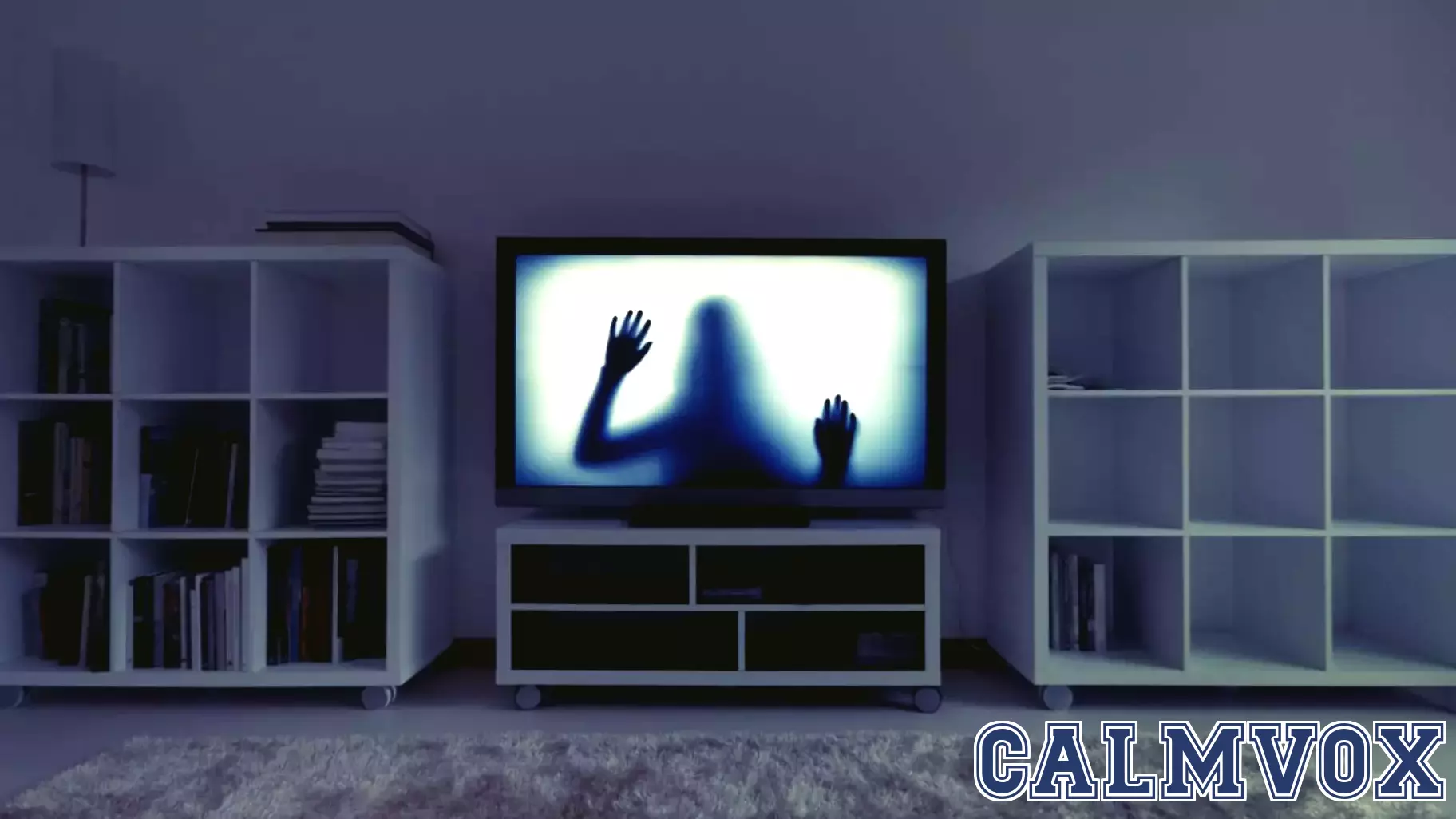
Horror movies have long carried a stigma as a source of psychological harm. Critics warn of sleepless nights, heightened anxiety, and even lasting trauma from too much gore and suspense. But a growing number of psychologists argue that the reality is far more complex. For those who watch scary films constantly, the experience can actually serve as a healthy outlet.
According to clinical psychologists, the typical horror movie triggers a fight-or-flight response. Your heart rate spikes, your pupils dilate, and your body floods with adrenaline. Yet because you know the threat is fictional, your brain quickly processes the danger as a simulation. This creates a unique state of arousal without real risk. For many, this controlled fear can be cathartic. It allows you to experience intense emotions in a safe environment, which can reduce everyday stress.
Dr. Coltan Scrivner, a researcher at the University of Chicago, has studied what he calls "morbid curiosity." His work suggests that regular horror fans often score lower on measures of psychological distress during real-world crises. The theory is that by repeatedly confronting simulated threats, viewers build emotional resilience. They learn to manage their own fear responses more effectively.
There is also a social component. Watching a horror movie with others creates a shared experience of tension and relief. This bonding can strengthen relationships and provide a sense of belonging. Some therapists even use controlled exposure to scary media to help patients with phobias or anxiety disorders.
Of course, not everyone benefits. People with pre-existing anxiety or trauma may find horror films triggering rather than therapeutic. The key is self-awareness. If you feel genuinely distressed or unable to sleep after a movie, it might be time to switch genres. But for the average fan, that jump scare is not a sign of damage. It is a workout for the mind, a way to practice staying calm under pressure. So the next time someone questions your horror movie marathon, you can tell them it is research.
MORE NEWS

July 15, 2026 - 00:31
Psychology says people who remain kind despite a difficult life aren't weak or in denial — they're often running on a kind of strength that only forms under sustained pressure, the way certain metals doThis resilience is not about ignoring pain. It is about processing it without letting it turn into bitterness. When someone faces betrayal, loss, or chronic struggle and still chooses empathy, they...
July 14, 2026 - 13:58
Psychology says people who are scared of darkness aren't necessarily weak, they may experience uncertaintyFor generations, being afraid of the dark has been dismissed as childish or a sign of weakness. But recent psychological perspectives challenge that assumption. Experts now suggest that a fear of...

July 13, 2026 - 21:52
Psychology says students who are backbenchers aren't trying to hide themselves, they may be choosing theiFor years, students who sit in the back of the classroom have been labeled as lazy, rebellious, or disengaged. Teachers and parents often assume they are trying to avoid attention or escape...

July 13, 2026 - 00:51
Psychology says people who keep clothes on a chair aren't untidy, they may be creating a practical middleFor years, leaving a pile of clothes draped over a chair has been seen as a sign of laziness or clutter. But a growing number of psychologists argue that this habit is actually a sign of a...