Understanding the Emotions, Biases, and Behaviors That Drive Financial Panic and Recovery
June 29, 2025 - 17:17
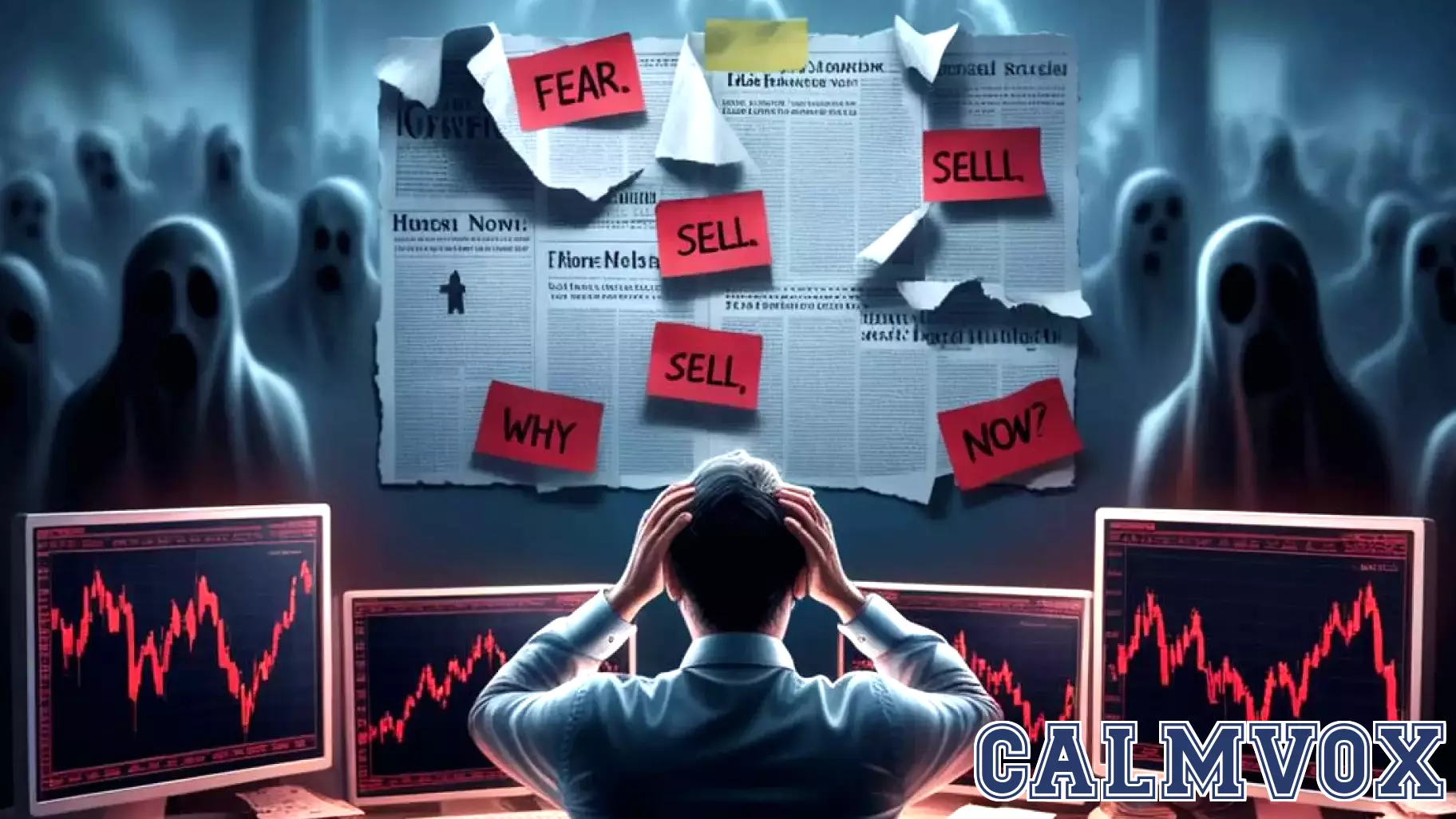
The stock market is often viewed as a barometer of economic health, yet its fluctuations are deeply intertwined with human psychology. When stock market crashes occur, they trigger a wave of emotions, including fear, anxiety, and uncertainty, which can lead to irrational decision-making among investors. This phenomenon is largely driven by cognitive biases, such as loss aversion, where the pain of losing money outweighs the pleasure of gaining it.
During a crash, investors may panic and sell off their shares, exacerbating the decline. This herd mentality can create a vicious cycle, as more individuals follow suit, leading to further market instability. On the other hand, understanding these psychological factors can aid in recovery. Investors who remain calm and rational, even amidst turmoil, can often seize opportunities that arise from undervalued stocks.
Ultimately, the interplay between emotions and market behavior underscores the importance of psychological resilience in navigating the complexities of financial markets.
MORE NEWS

July 15, 2026 - 00:31
Psychology says people who remain kind despite a difficult life aren't weak or in denial — they're often running on a kind of strength that only forms under sustained pressure, the way certain metals doThis resilience is not about ignoring pain. It is about processing it without letting it turn into bitterness. When someone faces betrayal, loss, or chronic struggle and still chooses empathy, they...

July 14, 2026 - 13:58
Psychology says people who are scared of darkness aren't necessarily weak, they may experience uncertaintyFor generations, being afraid of the dark has been dismissed as childish or a sign of weakness. But recent psychological perspectives challenge that assumption. Experts now suggest that a fear of...

July 13, 2026 - 21:52
Psychology says students who are backbenchers aren't trying to hide themselves, they may be choosing theiFor years, students who sit in the back of the classroom have been labeled as lazy, rebellious, or disengaged. Teachers and parents often assume they are trying to avoid attention or escape...

July 13, 2026 - 00:51
Psychology says people who keep clothes on a chair aren't untidy, they may be creating a practical middleFor years, leaving a pile of clothes draped over a chair has been seen as a sign of laziness or clutter. But a growing number of psychologists argue that this habit is actually a sign of a...