The Pressure Cooker of Paranoia: Trust and Bias in Celebrity Traitors
November 7, 2025 - 02:16
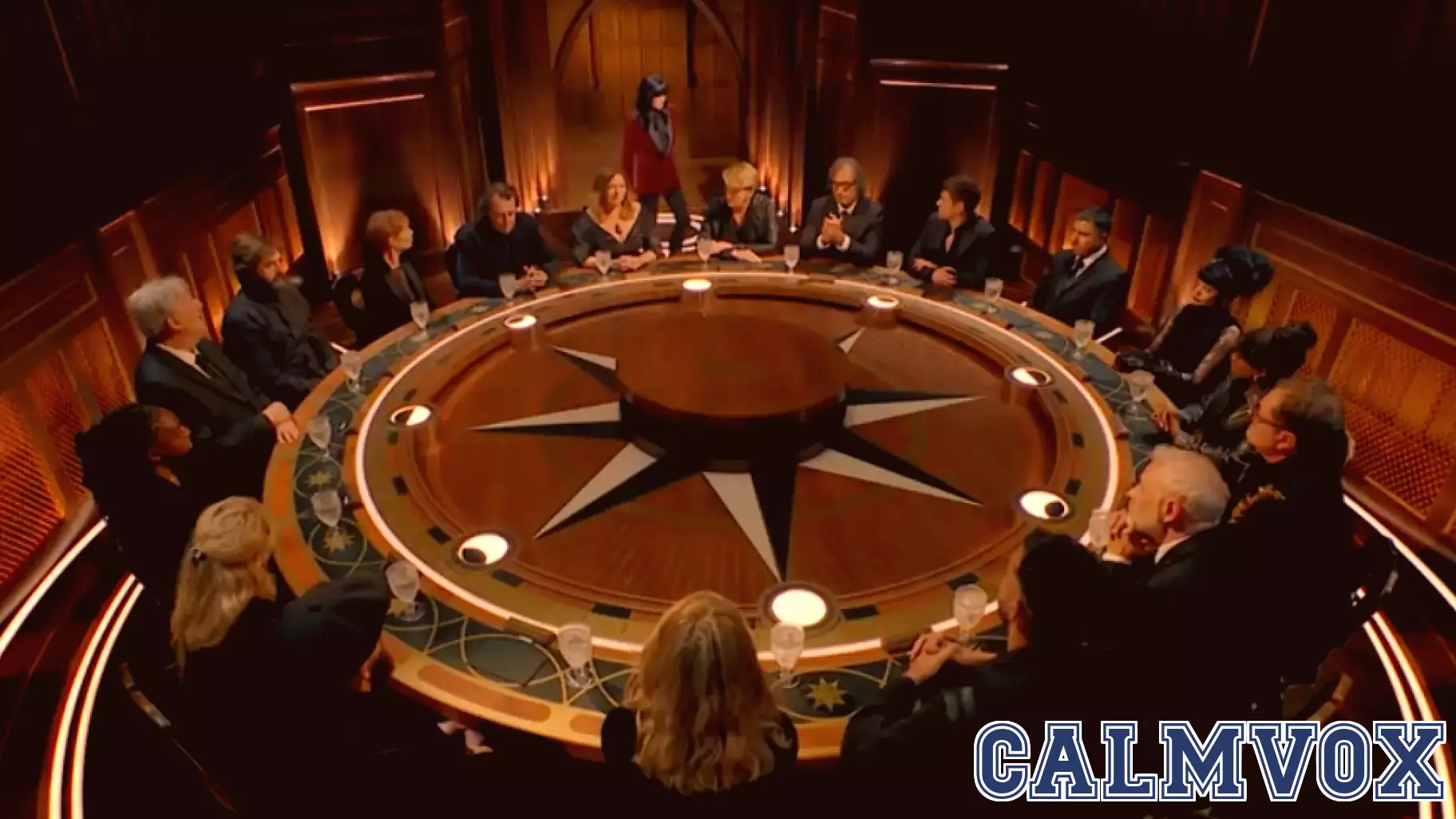
In the high-stakes environment of "Celebrity Traitors," the intricate dynamics of human psychology are brought to the forefront. Contestants are thrust into a game where trust is both a currency and a weapon, forcing them to navigate a maze of deception and alliances. The show reveals how quickly relationships can deteriorate under the weight of suspicion, as players grapple with their biases and instincts.
As the competition unfolds, viewers witness the subtle shifts in behavior that accompany paranoia. Contestants must constantly evaluate their peers, often leading to a breakdown in communication and collaboration. The psychological tension is palpable, showcasing how easily trust can be shattered in a competitive setting.
This reality series serves as a fascinating exploration of the human condition, illustrating how personal biases and the fear of betrayal can influence decision-making. As contestants attempt to outsmart one another, the show becomes a mirror reflecting the complexities of trust in relationships, both on and off the screen.
MORE NEWS

July 15, 2026 - 00:31
Psychology says people who remain kind despite a difficult life aren't weak or in denial — they're often running on a kind of strength that only forms under sustained pressure, the way certain metals doThis resilience is not about ignoring pain. It is about processing it without letting it turn into bitterness. When someone faces betrayal, loss, or chronic struggle and still chooses empathy, they...
July 14, 2026 - 13:58
Psychology says people who are scared of darkness aren't necessarily weak, they may experience uncertaintyFor generations, being afraid of the dark has been dismissed as childish or a sign of weakness. But recent psychological perspectives challenge that assumption. Experts now suggest that a fear of...

July 13, 2026 - 21:52
Psychology says students who are backbenchers aren't trying to hide themselves, they may be choosing theiFor years, students who sit in the back of the classroom have been labeled as lazy, rebellious, or disengaged. Teachers and parents often assume they are trying to avoid attention or escape...

July 13, 2026 - 00:51
Psychology says people who keep clothes on a chair aren't untidy, they may be creating a practical middleFor years, leaving a pile of clothes draped over a chair has been seen as a sign of laziness or clutter. But a growing number of psychologists argue that this habit is actually a sign of a...