The Intersection of Healing and Control in Correctional Environments
January 8, 2026 - 02:50
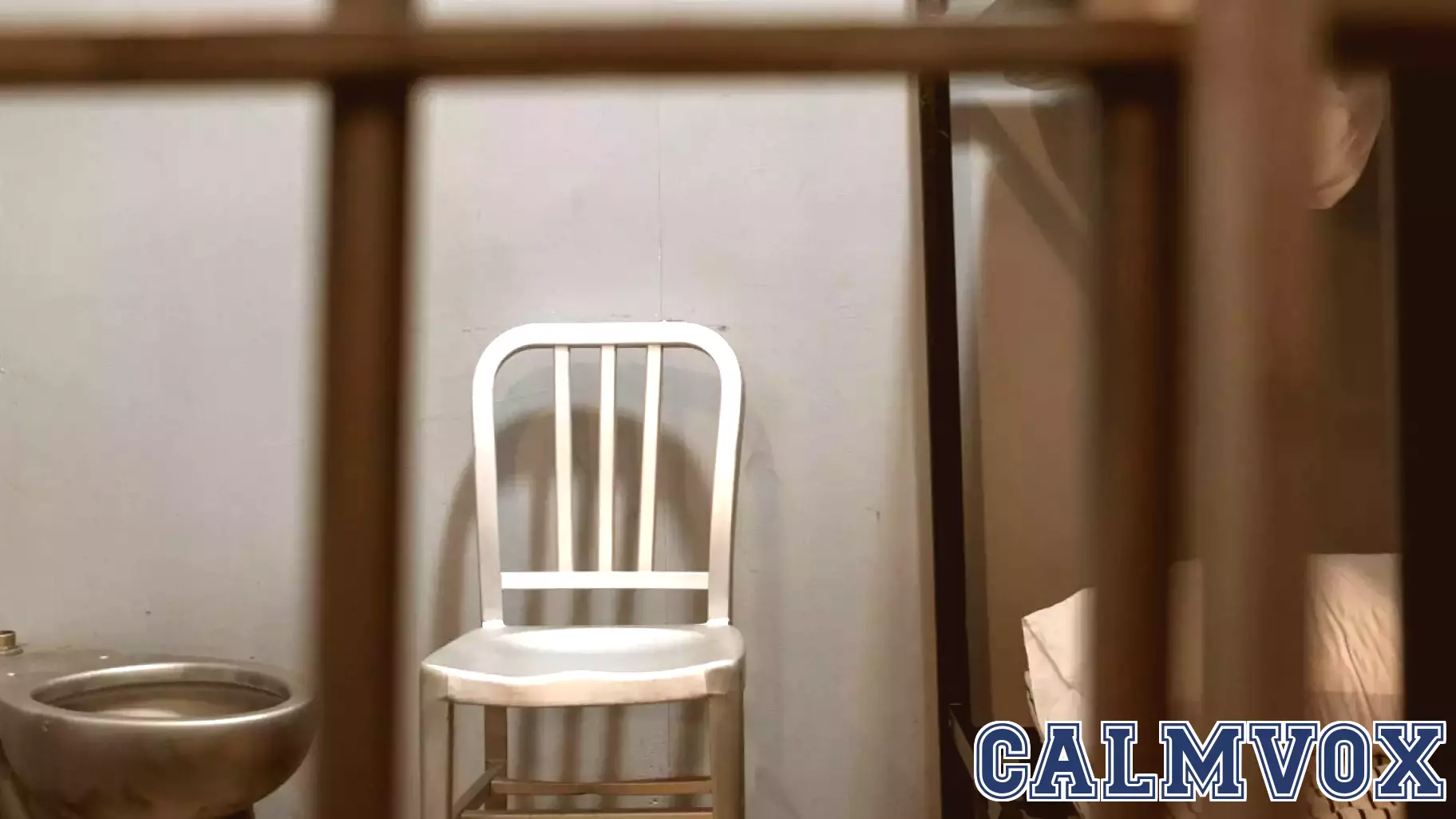
What happens when healing enters systems built for control? This question is increasingly relevant as society grapples with the complexities of trauma, accountability, and compassion within correctional facilities. These environments, often designed to enforce discipline and maintain order, can inadvertently stifle the very healing processes that individuals need to recover from past traumas.
In many correctional settings, the focus tends to be on punishment rather than rehabilitation. This approach can perpetuate cycles of trauma, making it difficult for incarcerated individuals to address their emotional and psychological needs. However, recent initiatives aim to introduce therapeutic practices within these institutions, recognizing that healing is essential for genuine reform.
By fostering an atmosphere of compassion and understanding, correctional facilities can begin to dismantle the rigid structures that prioritize control over care. Emphasizing trauma-informed approaches not only benefits individuals but can also lead to safer environments for both inmates and staff. As the conversation around reform continues, the integration of healing practices into correctional systems remains a critical area of exploration.
MORE NEWS

July 15, 2026 - 00:31
Psychology says people who remain kind despite a difficult life aren't weak or in denial — they're often running on a kind of strength that only forms under sustained pressure, the way certain metals doThis resilience is not about ignoring pain. It is about processing it without letting it turn into bitterness. When someone faces betrayal, loss, or chronic struggle and still chooses empathy, they...

July 14, 2026 - 13:58
Psychology says people who are scared of darkness aren't necessarily weak, they may experience uncertaintyFor generations, being afraid of the dark has been dismissed as childish or a sign of weakness. But recent psychological perspectives challenge that assumption. Experts now suggest that a fear of...

July 13, 2026 - 21:52
Psychology says students who are backbenchers aren't trying to hide themselves, they may be choosing theiFor years, students who sit in the back of the classroom have been labeled as lazy, rebellious, or disengaged. Teachers and parents often assume they are trying to avoid attention or escape...

July 13, 2026 - 00:51
Psychology says people who keep clothes on a chair aren't untidy, they may be creating a practical middleFor years, leaving a pile of clothes draped over a chair has been seen as a sign of laziness or clutter. But a growing number of psychologists argue that this habit is actually a sign of a...