Psychology explains people who grew up in the 1960s aren't just tougher — they developed a specific kind of resilience that comes from being raised in an era when emotional comfort wasn't considered a basic right
March 22, 2026 - 12:08
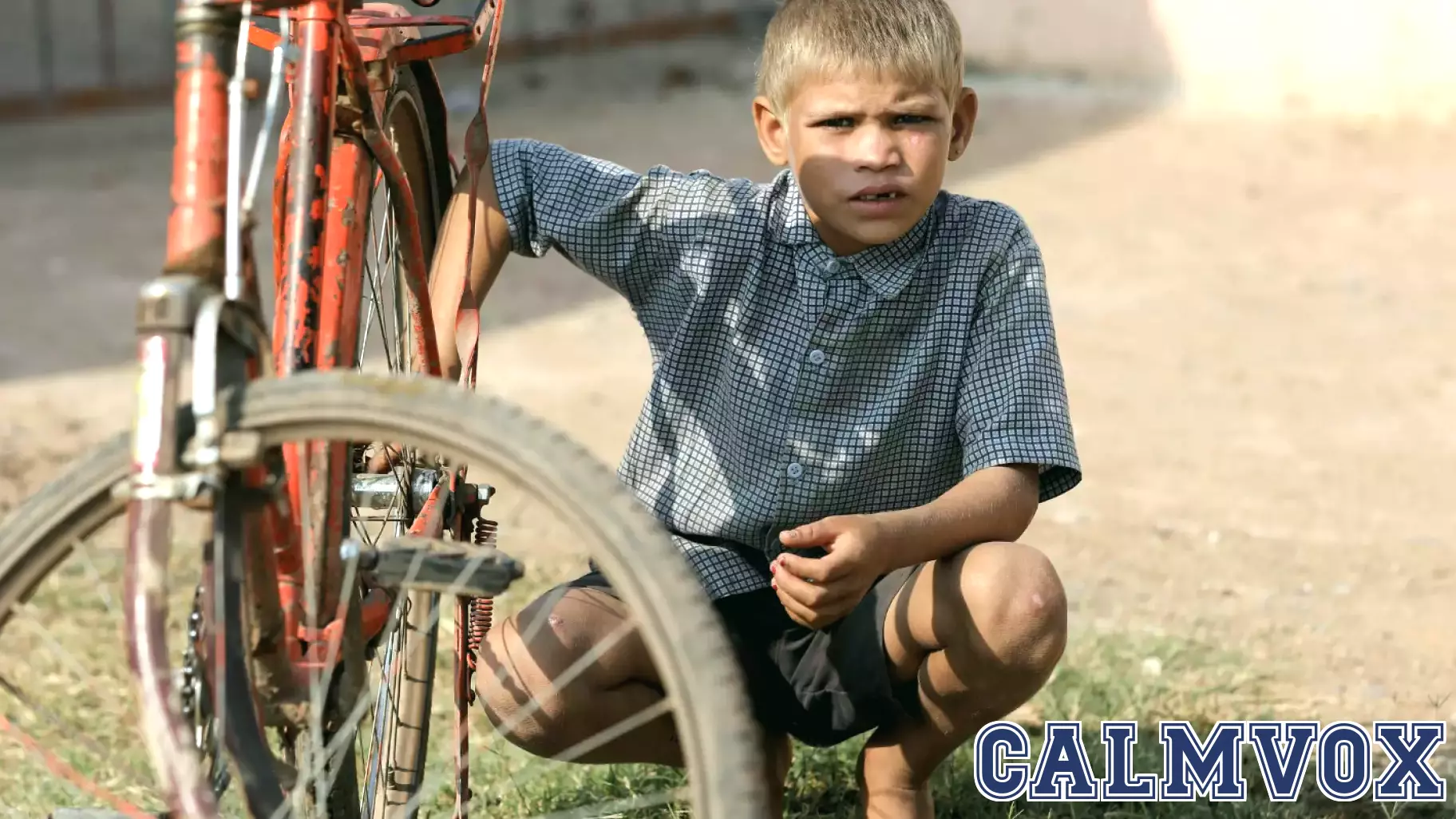
A landmark study in 1966 by developmental psychologist Diana Baumrind introduced a framework for parenting styles that still resonates today. Her work, conducted at the University of California, Berkeley, identified a key approach known as "authoritative" parenting. This style, characterized by high expectations balanced with warmth and open communication, was linked to the most well-adjusted and capable children.
Psychologists now suggest that many individuals raised during the 1960s were products of a broader cultural environment that mirrored this principle. It was an era where emotional comfort was not an assumed entitlement. Children were often expected to navigate minor disappointments, resolve their own playground disputes, and entertain themselves without constant adult intervention. This wasn't necessarily a lack of care, but a different societal philosophy.
The result, experts argue, was the development of a distinct form of resilience. This generation learned to self-soothe, to problem-solve independently, and to develop an internal locus of control—the belief that their actions directly influenced outcomes. They often faced challenges with a pragmatic "get on with it" attitude, having been conditioned to view discomfort as a temporary, manageable part of life rather than a crisis requiring immediate external validation. This forged a toughness not of indifference, but of practiced self-reliance and quiet perseverance.
MORE NEWS
August 5, 2026 - 04:07
Mental health services in Surrey and Hampshire receive £2m boostAn NHS trust covering parts of Surrey and Hampshire has confirmed that mental health services in the region will receive a two million pound funding increase. The investment is being directed...

August 4, 2026 - 03:28
The LeBron Effect: The psychology of LeBron joining the SixersThe NBA rumor mill has been spinning at full speed, and the latest speculation centers on LeBron James and the Philadelphia 76ers. While the basketball fit is obvious, the mental and emotional...

August 3, 2026 - 02:51
Why Partner Violence Less Recognized in LGBTQ RelationshipsWhen people picture domestic violence, they often default to a heterosexual scenario with a male aggressor and a female victim. That narrow image leaves many LGBTQ survivors invisible. The reality...

August 1, 2026 - 11:09
Psychology suggests who you end up close to isn't decided by looks or shared passions — it's proximity, plain nearness, because liking tends to grow for whoever we simply keep seeing, again and againWe like to believe that our closest relationships are written in the stars, a perfect alignment of chemistry, shared values, and that inexplicable spark. We credit fate, timing, and destiny. But...