Psychedelics and Shared Reality: A Psychologist Explores How Trips Affect Romantic Relationships
May 4, 2026 - 21:42
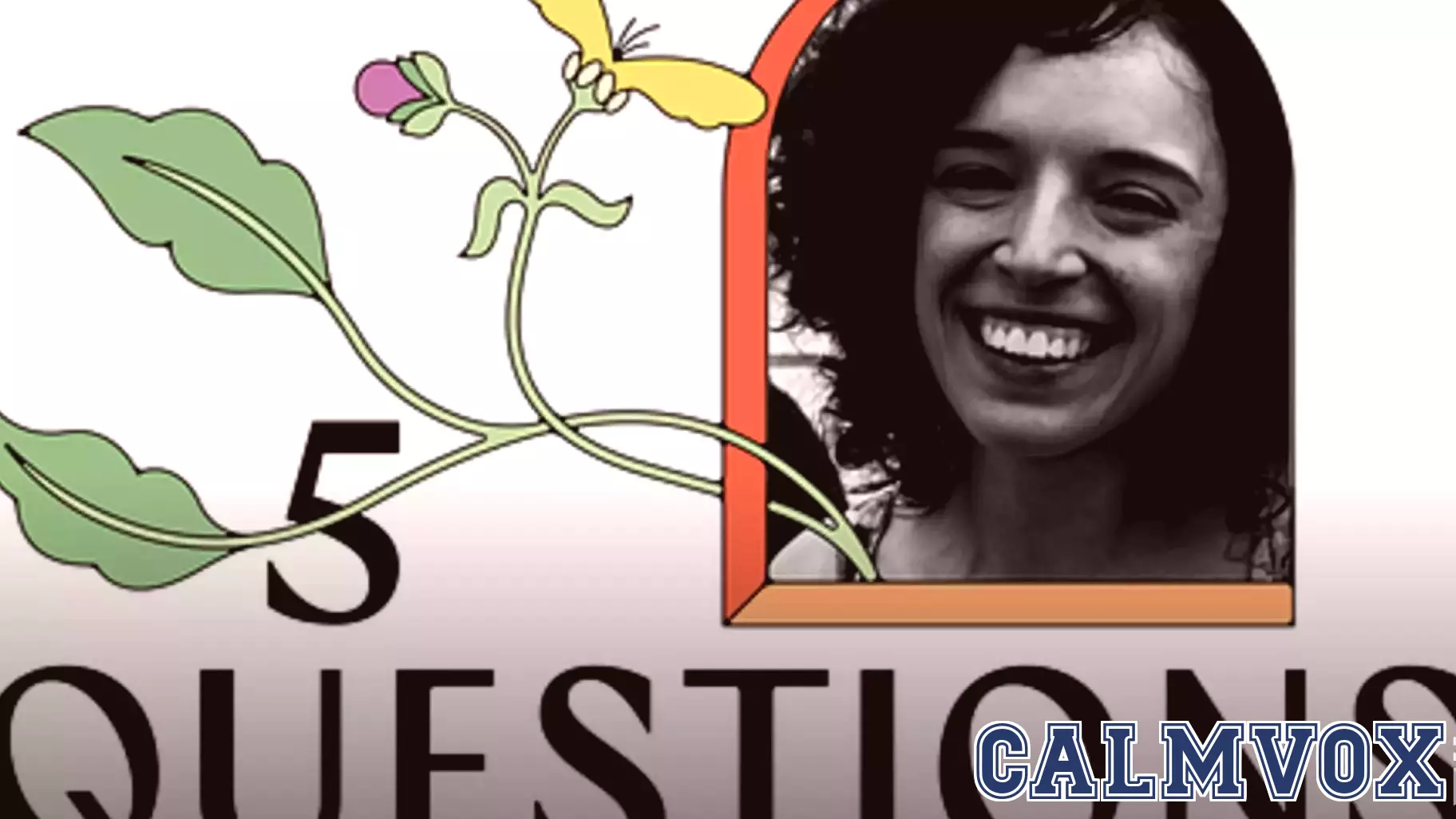
During the pandemic, Talea Cornelius, a health psychologist at Columbia University, read "The Hidden Lives of Trees," a book about how trees connect through underground root and mycelium networks. It reminded her of something from social psychology: the importance of having a shared reality with others.
A shared reality means viewing the world similarly with a partner, friend, or parent. Research shows it brings people closer and gives life greater meaning. "There's this desire to be on the same page," Cornelius said. But what happens when one person has a transformative psychedelic experience and the other does not? Does that shared reality get left behind?
Earlier this year, Cornelius co-published a paper in the Journal of Psychoactive Drugs analyzing survey responses from 798 people and 81 couples about their psychedelic use. She focused on LSD and psilocybin, excluding MDMA.
She found that when romantic partners used psychedelics together, it was linked to increased shared understanding. But the opposite also held true. Using psychedelics without a partner was indirectly associated with later ending the relationship.
Cornelius explained that classic psychedelics create internal experiences. Unlike MDMA, where people talk and interact, psychedelic therapy often involves eye covers and headphones for inward journeys. "I can't sit at the dinner table and have my psychedelic experience with you," she said.
The survey asked about physical intimacy, emotional closeness, spiritual connection, relationship satisfaction, and commitment. Taking psychedelics together mostly led to greater shared reality and relationship improvements. But when people used them alone and felt less shared understanding afterward, relationships sometimes ended.
Cornelius speculated that disrupting shared reality makes people uncomfortable with their partners. If someone changes how they interface with the world after a solo trip, it can disrupt how they connect with their partner. She gave an example: two atheists where one has a psychedelic experience and comes back believing in some spiritual entity. "I just don't know you. We don't see the world in the same way," she said.
However, an alternative explanation exists. People already distressed in their relationships might take psychedelics alone, and the breakup has nothing to do with the drug itself.
Cornelius wants practitioners to consider how psychedelic therapy might affect people's relationships. Partners may not support the treatment, or may not even know about it. She believes incorporating loved ones could improve outcomes. "One plus one is not two when you're doing research," she said. "How are we going to measure two people when there's something emergent between them?"
Her bottom line: shared experiences are good in relationships, and psychedelics are particularly powerful. They can bring people closer together, but doing them alone might mean leaving someone behind.
MORE NEWS
August 3, 2026 - 02:51
Why Partner Violence Less Recognized in LGBTQ RelationshipsWhen people picture domestic violence, they often default to a heterosexual scenario with a male aggressor and a female victim. That narrow image leaves many LGBTQ survivors invisible. The reality...

August 1, 2026 - 11:09
Psychology suggests who you end up close to isn't decided by looks or shared passions — it's proximity, plain nearness, because liking tends to grow for whoever we simply keep seeing, again and againWe like to believe that our closest relationships are written in the stars, a perfect alignment of chemistry, shared values, and that inexplicable spark. We credit fate, timing, and destiny. But...

July 31, 2026 - 07:07
Psychologist Reveals the Real Reason So Many Adult Children Cut Off Their ParentsNew data shows that more than a third of Americans have experienced estrangement from an immediate family member, and the most common fracture is between adult children and their parents. While...
July 30, 2026 - 20:28
‘The Odyssey’ is a striking portrait of the psychological wounds that can emerge when people violate their deepest valuesChristopher Nolan`s latest film reimagines Homer`s `The Odyssey` not as a heroic adventure but as a stark portrait of psychological wounds. The director focuses on moral injury, a condition often...