Michael Rosenbaum Reflects on Lex Luthor and Animated Series Developments
November 26, 2025 - 15:07
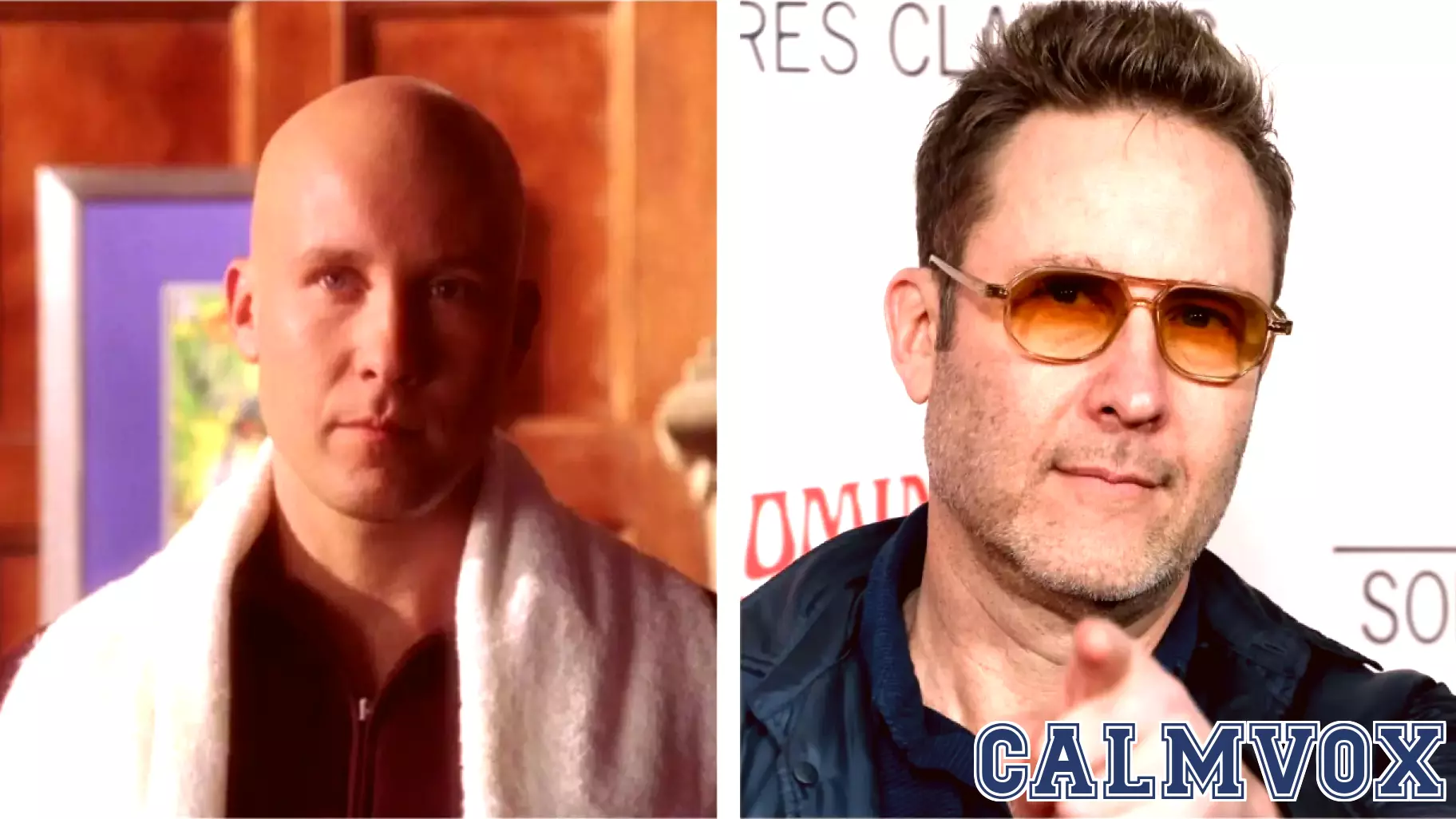
Michael Rosenbaum, known for his iconic portrayal of Lex Luthor in the beloved series "Smallville," recently shared insights into his character's psychological depth and the future of the animated series. During a candid conversation, Rosenbaum delved into the complexities of Lex Luthor, emphasizing the character's multifaceted nature and the moral dilemmas he faced throughout the series.
Rosenbaum's performance has left a lasting impact on fans, who appreciate the nuanced interpretation of a character often seen as merely a villain. He also hinted at exciting developments for the upcoming animated series, which aims to explore new storylines and character arcs while staying true to the essence of the original show.
As fans eagerly await more news, Rosenbaum's reflections serve as a reminder of the enduring legacy of "Smallville" and the rich storytelling surrounding Lex Luthor. The intersection of heroism and villainy continues to captivate audiences, ensuring that the character remains relevant in contemporary discussions about morality in storytelling.
MORE NEWS

July 15, 2026 - 00:31
Psychology says people who remain kind despite a difficult life aren't weak or in denial — they're often running on a kind of strength that only forms under sustained pressure, the way certain metals doThis resilience is not about ignoring pain. It is about processing it without letting it turn into bitterness. When someone faces betrayal, loss, or chronic struggle and still chooses empathy, they...

July 14, 2026 - 13:58
Psychology says people who are scared of darkness aren't necessarily weak, they may experience uncertaintyFor generations, being afraid of the dark has been dismissed as childish or a sign of weakness. But recent psychological perspectives challenge that assumption. Experts now suggest that a fear of...

July 13, 2026 - 21:52
Psychology says students who are backbenchers aren't trying to hide themselves, they may be choosing theiFor years, students who sit in the back of the classroom have been labeled as lazy, rebellious, or disengaged. Teachers and parents often assume they are trying to avoid attention or escape...

July 13, 2026 - 00:51
Psychology says people who keep clothes on a chair aren't untidy, they may be creating a practical middleFor years, leaving a pile of clothes draped over a chair has been seen as a sign of laziness or clutter. But a growing number of psychologists argue that this habit is actually a sign of a...