Identifying Psychopaths: Insights from a Renowned Psychologist
December 28, 2024 - 11:01
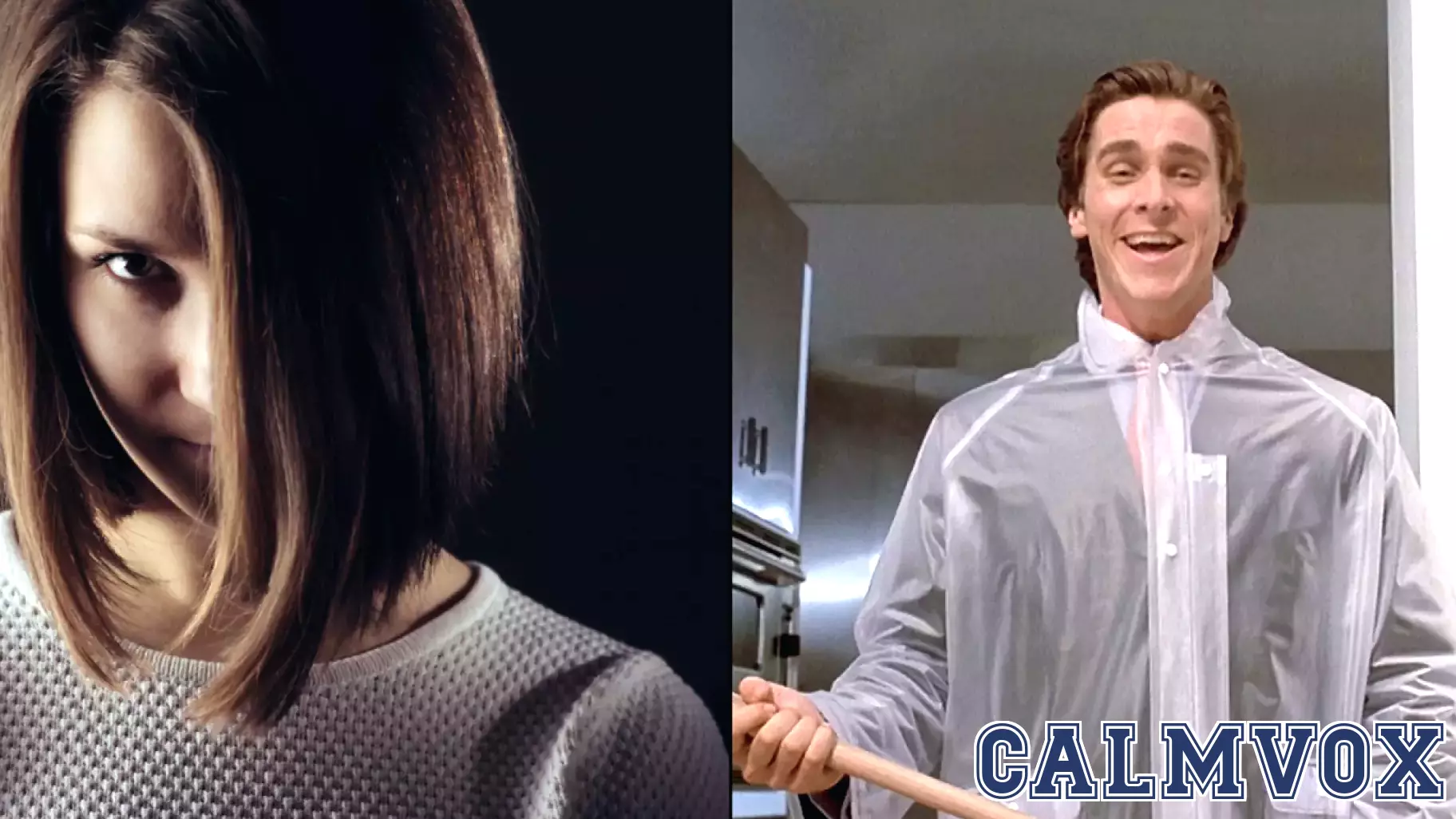
Susan Krauss Whitbourne, a former professor of psychological and brain sciences, has shared intriguing insights into the identification of psychopathic traits. According to her expertise, there is a specific aspect of a person's demeanor that can reveal psychopathic tendencies. Whitbourne suggests that by observing a person's eyes, one can glean significant clues about their emotional state and potential for psychopathy.
Psychopaths are often characterized by a lack of empathy, shallow emotions, and manipulative behaviors. Whitbourne emphasizes that the eyes, often referred to as the "windows to the soul," can betray a person's true feelings and intentions. In her observations, she notes that individuals with psychopathic traits may exhibit a distinct lack of warmth or connection in their gaze.
This revelation has sparked interest in the psychological community, prompting discussions about the implications of such findings in various fields, including criminal psychology and interpersonal relationships. Understanding these subtle cues could lead to better identification and management of individuals displaying psychopathic behaviors, ultimately enhancing safety and awareness in social interactions.
MORE NEWS

July 15, 2026 - 00:31
Psychology says people who remain kind despite a difficult life aren't weak or in denial — they're often running on a kind of strength that only forms under sustained pressure, the way certain metals doThis resilience is not about ignoring pain. It is about processing it without letting it turn into bitterness. When someone faces betrayal, loss, or chronic struggle and still chooses empathy, they...
July 14, 2026 - 13:58
Psychology says people who are scared of darkness aren't necessarily weak, they may experience uncertaintyFor generations, being afraid of the dark has been dismissed as childish or a sign of weakness. But recent psychological perspectives challenge that assumption. Experts now suggest that a fear of...

July 13, 2026 - 21:52
Psychology says students who are backbenchers aren't trying to hide themselves, they may be choosing theiFor years, students who sit in the back of the classroom have been labeled as lazy, rebellious, or disengaged. Teachers and parents often assume they are trying to avoid attention or escape...

July 13, 2026 - 00:51
Psychology says people who keep clothes on a chair aren't untidy, they may be creating a practical middleFor years, leaving a pile of clothes draped over a chair has been seen as a sign of laziness or clutter. But a growing number of psychologists argue that this habit is actually a sign of a...