The Role of Nonverbal Communication in Therapy Sessions
29 June 2026
When we think of communication, we often picture words being spoken. But what if I told you that some of the most powerful conversations happen without a single word? In therapy sessions, nonverbal communication plays a crucial role in understanding emotions, building trust, and fostering healing.
Body language, facial expressions, tone of voice—these subtle cues speak just as loudly as words, sometimes even louder. A skilled therapist knows how to pick up on these signals, helping them get to the heart of what their client is feeling.
So, let’s dive deeper into the world of nonverbal communication and uncover why it’s so important in therapy sessions. 
What Is Nonverbal Communication?
Nonverbal communication is any form of communication that doesn’t involve spoken words. It includes:- Facial expressions – A smile, a frown, or even a raised eyebrow can convey emotions louder than words.
- Body language – The way someone sits, their posture, or their gestures can reveal hidden feelings.
- Eye contact – Maintaining eye contact can indicate confidence and connection, while avoiding it may suggest discomfort or anxiety.
- Tone of voice – The way words are spoken, including pitch and speed, can reflect emotions that words alone can’t express.
- Gestures – Hand movements, nods, or even how a person fidgets can communicate underlying emotions.
Since so much of communication happens nonverbally, therapists must pay attention to these cues to understand what their clients might not be saying outright. 
Why Nonverbal Communication Matters in Therapy
Therapy isn’t just about talking—it’s about connection. And sometimes, what’s unspoken carries more weight than what’s said. Here’s why nonverbal communication is essential in therapy:1. Building Trust and Rapport
Establishing a strong therapeutic relationship is key to successful therapy. A warm smile, an open posture, and gentle eye contact can put a client at ease. If a therapist appears disengaged—crossed arms, lack of eye contact, or looking distracted—it might make a client reluctant to open up.Therapists use their body language to create a safe space where clients feel heard and understood.
2. Understanding Hidden Emotions
Not everyone is comfortable expressing their feelings with words. Some clients may struggle with verbalizing their emotions due to past trauma, social anxiety, or personal barriers. This is where nonverbal cues become invaluable.For example, a client may say, “I’m fine,” but if they’re avoiding eye contact, fidgeting, or have a tense jaw, their body is telling a different story. A skilled therapist will recognize these signals and gently encourage deeper exploration of emotions.
3. Mirroring for Connection
Have you ever noticed that when two people are deeply engaged in a conversation, they unconsciously mimic each other’s gestures and posture? This is called mirroring, and it’s a powerful tool in therapy.When a therapist subtly mimics a client’s nonverbal cues, it fosters a sense of understanding and connection. It sends an unspoken message: I see you, and I’m right here with you.
4. Detecting Discomfort or Resistance
Sometimes, clients aren’t fully aware of their own resistance to therapy. They might insist they’re comfortable discussing a topic, but their body language says otherwise.A therapist might notice signs like:
- Crossing arms defensively
- Tapping fingers anxiously
- Shifting uncomfortably in their seat
These signals can indicate discomfort or avoidance. By acknowledging these cues gently, a therapist can guide the session in a way that makes the client feel safe enough to open up.
5. Encouraging Emotional Expression
In therapy, emotions need room to breathe. Sometimes, a simple nod, a well-timed pause, or a kind facial expression can encourage a client to keep speaking when words get difficult.For example, if a client starts to tear up and the therapist looks down awkwardly or remains stone-faced, the client might shut down. But if the therapist maintains soft eye contact and offers a reassuring nod, the client may feel encouraged to process their emotions more openly. 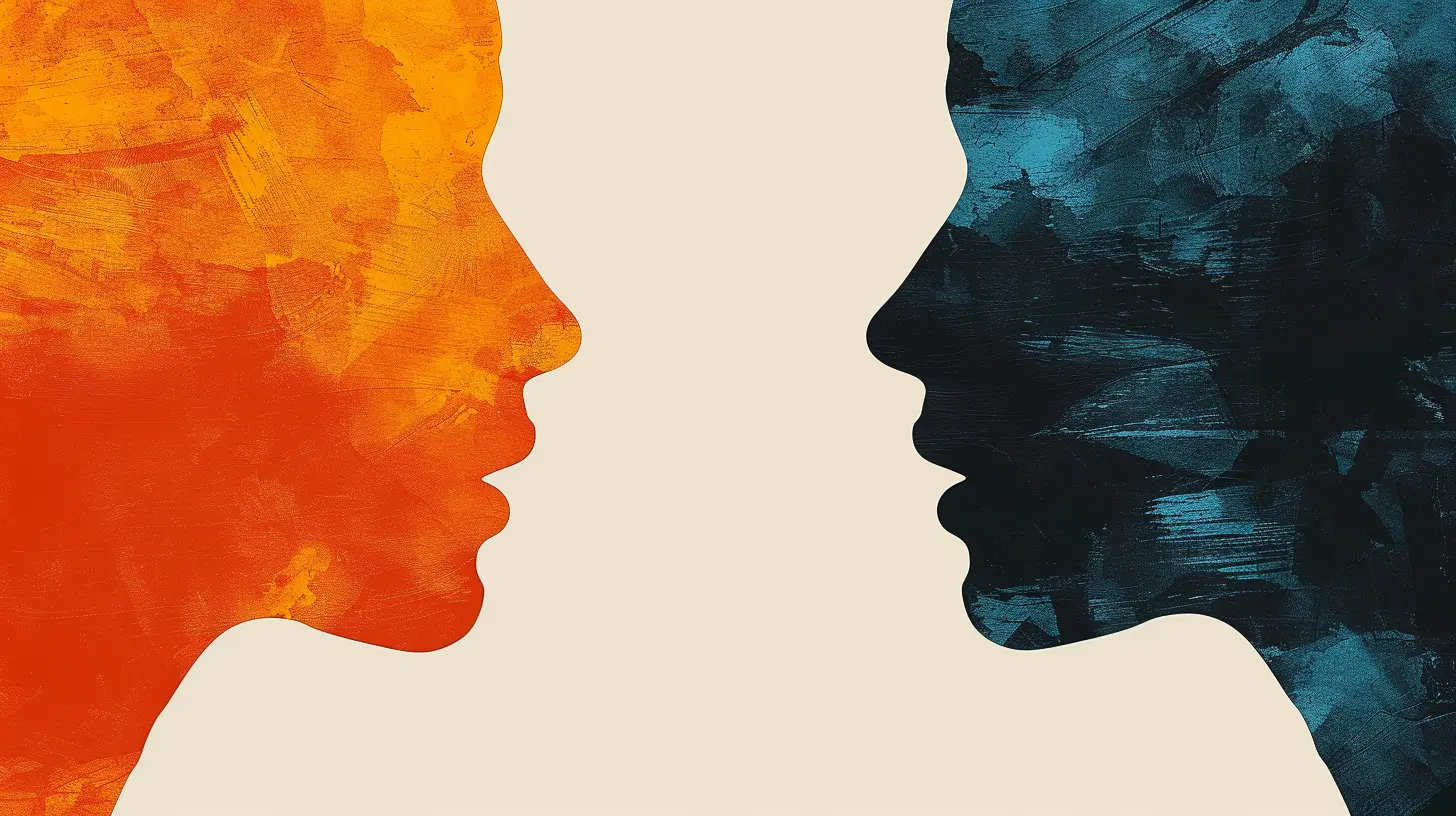
Common Nonverbal Cues in Therapy
Both therapists and clients constantly send and receive nonverbal messages. Let’s look at some of the most common ones:1. Positive Cues (Encouraging Open Communication)
These cues signal attentiveness, empathy, and engagement:- Leaning slightly forward
- Maintaining eye contact (but not staring)
- Nodding in understanding
- Open hand gestures
- Relaxed yet engaged posture
Therapists often use these cues to reassure clients and create a comforting space.
2. Negative Cues (Signs of Discomfort or Disengagement)
These cues can indicate stress, resistance, or withdrawal:- Avoiding eye contact
- Crossing arms or legs tightly
- Fidgeting excessively
- Clenching jaw or fists
- Looking away frequently
When a therapist notices these signals, they may need to adjust their approach to make their client feel more comfortable. 
How Therapists Can Improve Their Nonverbal Communication
Being aware of nonverbal communication is one thing—actively improving it is another. Here are some ways therapists can enhance their nonverbal skills:1. Be Present and Attentive
A distracted therapist can break the trust in a session. Staying fully engaged—maintaining eye contact, nodding, and responding appropriately—helps clients feel heard.2. Mirror Without Imitating
Subtle mirroring fosters connection, but it should feel natural. Too much mirroring can come off as forced, so it’s all about balance.3. Use Open Body Language
Avoid crossing arms or looking tense. An open posture signals warmth and receptiveness.4. Adjust to the Client’s Comfort Level
Some clients might prefer less eye contact, while others may feel reassured by it. Being adaptable is key.5. Pay Attention to Cultural Differences
Nonverbal cues can mean different things in various cultures. A gesture that’s friendly in one culture might be seen as disrespectful in another. Therapists should be mindful of these differences to avoid misinterpretations.Final Thoughts
Nonverbal communication is the unsung hero of therapy sessions. It can reveal hidden emotions, build trust, and create a deeper connection between therapist and client. While words are powerful, it’s often the unspoken gestures that truly convey what’s in a person’s heart.For therapists, mastering nonverbal communication can make the difference between a session that simply feels like a conversation and one that truly facilitates healing. And for clients, knowing that they’re being understood, even beyond their words, can make all the difference in their therapeutic journey.
So next time you’re in a conversation—whether in therapy or everyday life—pay attention to what isn’t being said. Sometimes, the most important messages are spoken without a single word.
all images in this post were generated using AI tools
Category:
Psychological CounselingAuthor:

Matilda Whitley
Discussion
rate this article
1 comments
Cara White
Nonverbal cues can say so much in therapy. A simple smile or a sigh can reveal emotions that words might miss. It's fascinating how much we communicate without speaking. This article really highlights the importance of being attuned to those subtle signals in the healing process.
July 11, 2026 at 4:16 PM