How to Avoid the Trap of Sunk Cost Fallacy in Decision Making
6 December 2025
Have you ever stuck with something—whether it’s a relationship, a job, or a project—longer than you should have, simply because you’ve already invested so much time, money, or effort into it? If so, you’ve fallen into the sunk cost fallacy.
This sneaky psychological trap causes people to make irrational decisions, holding onto things that no longer serve them. But don’t worry—you’re not alone in this! This article will break down what the sunk cost fallacy is, why it happens, and, most importantly, how you can avoid it and make smarter decisions.

What Is Sunk Cost Fallacy?
The sunk cost fallacy is when we continue with something simply because we’ve already invested resources—whether it’s time, money, or effort—rather than evaluating whether it’s still the best choice.Let’s say you’ve spent months reading a book that you’re not enjoying. Instead of quitting and picking up something better, you convince yourself to finish it because you’ve already invested so much time. Sound familiar? That’s the sunk cost fallacy at work!

Why Do We Fall for the Sunk Cost Fallacy?
This psychological illusion doesn’t just affect individuals—it influences businesses, governments, and even entire economies! But why do we struggle to let go of bad decisions?1. Loss Aversion
People hate losing more than they enjoy winning. The thought of wasting resources makes us uncomfortable, so we keep going, even when it’s irrational.2. Emotional Investment
It’s hard to detach from something we’ve poured our heart and soul into. Whether it’s a failing relationship or a bad business deal, emotions can cloud our judgment.3. Fear of Being Wrong
No one likes admitting they made a mistake. Abandoning a poor decision feels like failure, so we trick ourselves into thinking perseverance is the answer.4. Social Pressure
Sometimes, we stick with things because of what others might think. Quitting can feel embarrassing, especially if you’ve made your commitment public.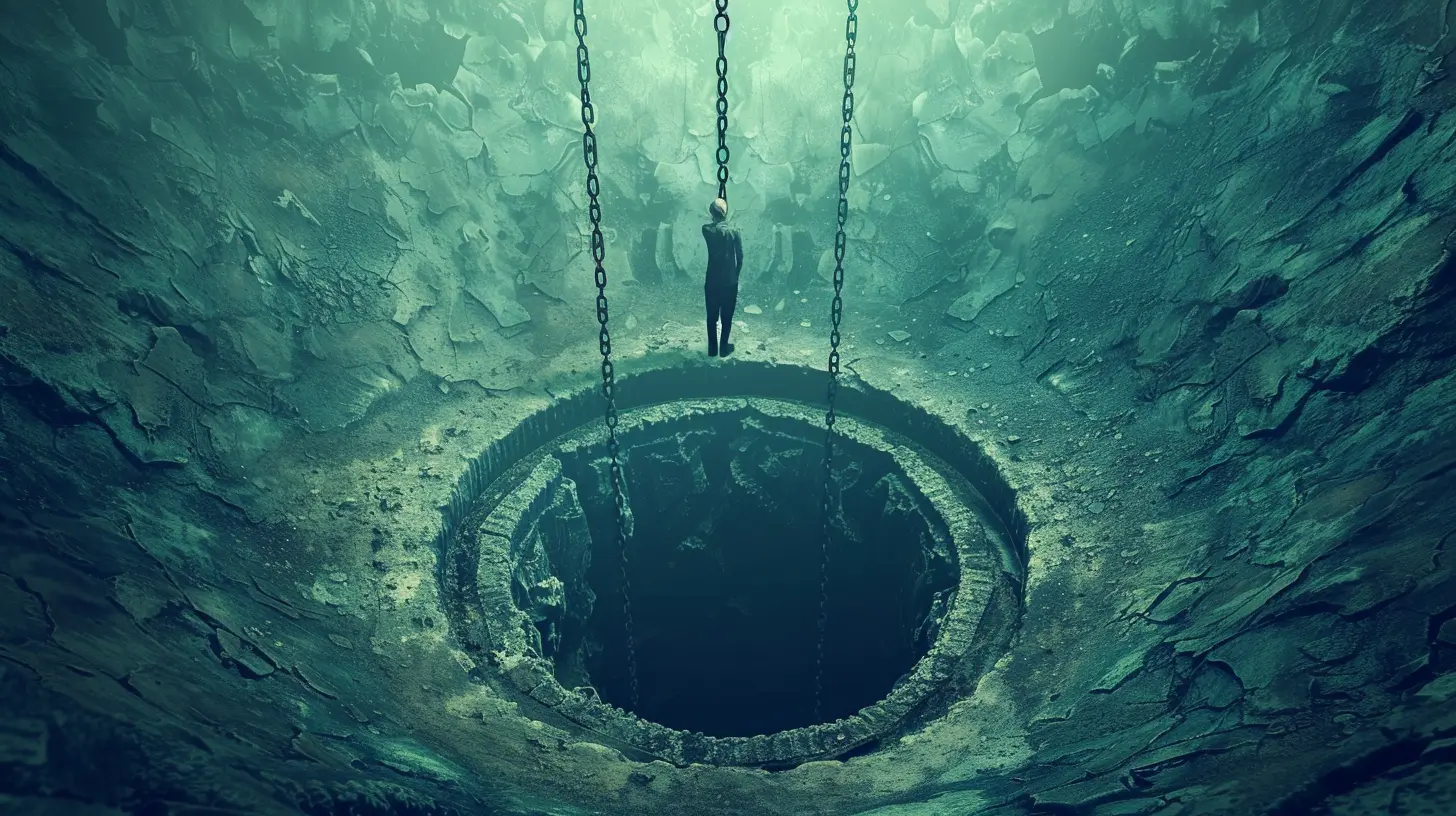
How to Avoid the Sunk Cost Fallacy
Recognizing this trap is half the battle—now let’s talk about how to break free and make better choices.1. Focus on the Present and Future, Not the Past
Ask yourself:- If I were starting fresh today, would I still choose this path?
- Does continuing this decision benefit future me?
If the answer is no, it’s time to move on. Just because you’ve invested doesn’t mean you have to keep digging a deeper hole.
2. Detach Emotions from Decisions
Easier said than done, right? But try to separate the effort you’ve put in from the logic of what’s best for you moving forward.A simple trick? Pretend a friend is in your situation. What would you tell them to do? Often, it’s much easier to see things clearly when we aren’t emotionally involved.
3. Set Clear Exit Strategies
Before committing to something big, set clear criteria for when you should walk away.For example:
- Investments: "If I lose 20% of my investment, I will sell."
- Projects: "If I don’t see progress within 3 months, I will pivot."
- Relationships: "If my needs aren’t being met despite clear communication, I will reconsider."
This prevents you from making emotional decisions in the heat of the moment.
4. Reframe Your Thinking: Consider the Opportunity Cost
Instead of thinking, “I don’t want to waste my previous effort,” ask yourself, “What am I missing out on by continuing this?”Time, energy, and money spent clinging to something failing could be better spent on something that actually benefits you.
5. Practice Making Small, Rational Decisions
Train your brain to avoid sunk costs by starting small.- Don’t finish a movie you’re not enjoying.
- Stop reading a book if it’s boring.
- Quit a hobby that feels like a chore.
By practicing on these low-stakes choices, you build the habit of letting go when necessary.
6. Seek an Outsider’s Perspective
Sometimes we’re too close to see the bigger picture. Ask a friend, mentor, or someone impartial what they think. Their perspective can shed new light on your situation.7. Accept That Cutting Losses Is a Strength, Not a Weakness
Society often glorifies persistence, but knowing when to walk away is just as important as knowing when to push forward. Cutting your losses isn’t failure—it’s wisdom.
Real-Life Examples of Sunk Cost Fallacy
Understanding theory is great, but let’s put this into real-world context.Example 1: The Bad Relationship
Sarah has been dating Mark for five years. She realizes she’s unhappy, but since they’ve been together for so long, she doesn’t want to break up. She convinces herself to stay because of the time investment, rather than considering her long-term happiness.Example 2: The Dead-End Job
John has worked at the same company for a decade but hates his job. He stays because he spent years building his career there, even though a better opportunity awaits elsewhere. The fear of wasted years keeps him trapped.Example 3: The Business Blunder
A company pours millions into a failing product. Instead of cutting their losses, they throw more money at marketing, hoping it will eventually pay off. It doesn't, and they lose even more.Each of these scenarios shows how the sunk cost fallacy can keep us stuck, leading to bad decisions that don’t serve us in the long run.
Final Thoughts
The sunk cost fallacy is a mental trap that all of us encounter at some point. But the good news? You can break free!By focusing on future benefits over past investments, setting clear exit strategies, and reframing your perspective, you’ll make smarter, more rational decisions—ones that truly serve you.
Next time you catch yourself holding onto something simply because you’ve invested in it, pause and ask: Is this worth my time moving forward? If not, let it go. Your future self will thank you!
all images in this post were generated using AI tools
Category:
Decision MakingAuthor:

Matilda Whitley
Discussion
rate this article
1 comments
Lira Baker
Great insights on recognizing the sunk cost fallacy! To further enhance decision-making, consider implementing regular reflection on choices and outcomes, and encourage a focus on future benefits rather than past investments. Keep up the valuable work!
December 10, 2025 at 4:34 AM
Matilda Whitley
Thank you for your thoughtful suggestion! Regular reflection is indeed a powerful tool for improving decision-making. I appreciate your input!