The Last Truly Free Childhood: Why Growing Up in the 1970s Meant a Life Unscripted
April 28, 2026 - 01:51
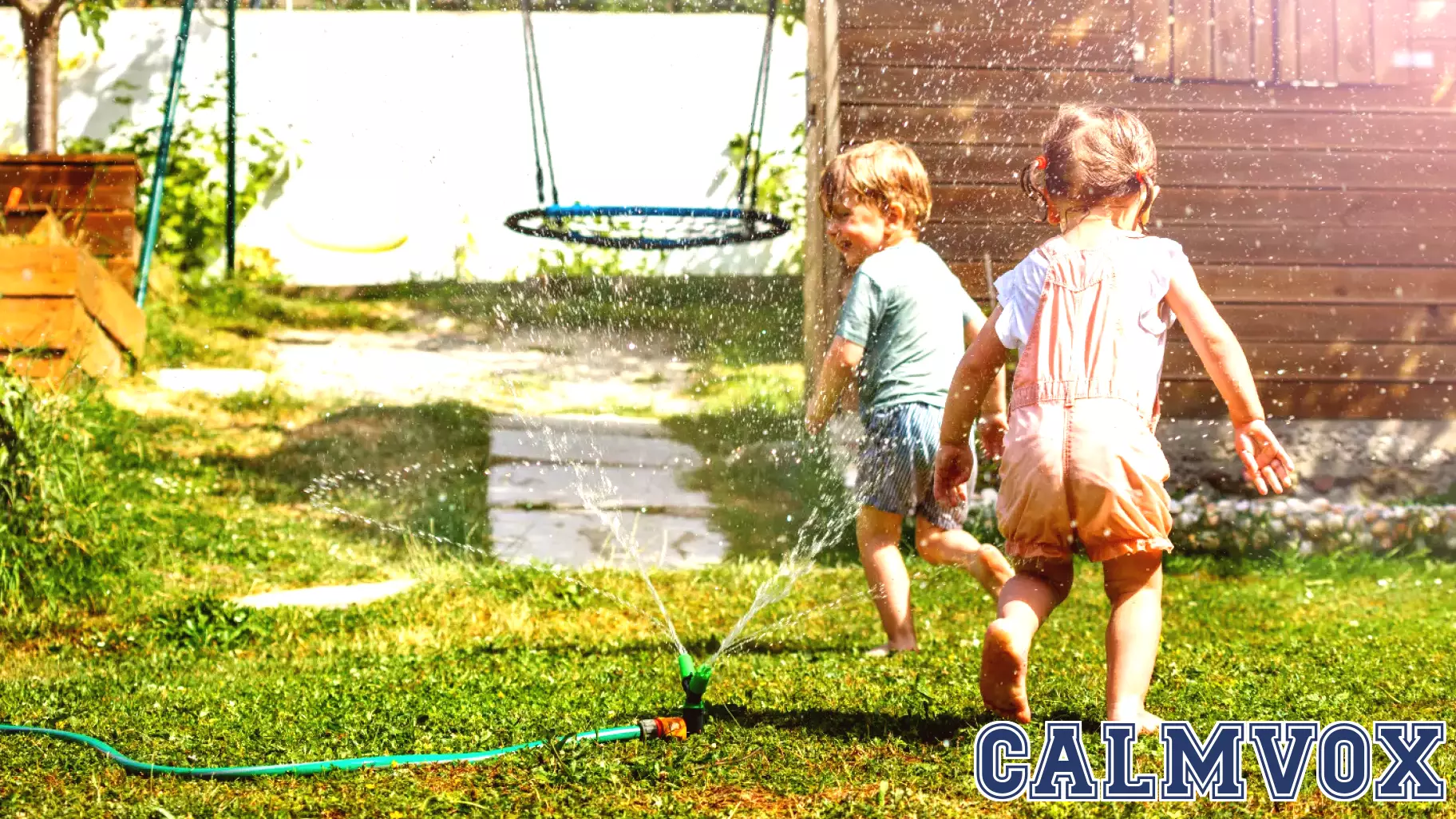
My mother grew up in rural Australia in the seventies. She has told me stories about summers that sound, to modern ears, almost implausibly free. Out after breakfast, back for dinner. No phone. No schedule. No adult tracking her movements. Just a neighborhood of kids, a creek, a few square kilometers of countryside, and the unspoken understanding that she would return home when the streetlights came on. According to psychological research, this wasn't neglect—it was the last era of childhood that truly belonged to the child.
Psychology suggests that children raised in the 1970s experienced a fundamentally different developmental environment than those raised today. Without structured playdates, organized sports leagues consuming every weekend, or constant parental surveillance, these children learned to navigate the world on their own terms. They resolved disputes without adult intervention, invented games from scratch, and managed boredom through creativity rather than screens. This unsupervised autonomy fostered resilience, problem-solving skills, and a deep sense of personal agency.
The absence of scheduled activities meant that time was unstructured, fluid, and owned by the child. There were no enrichment classes to rush to, no carefully curated social calendars, no hovering parents directing every interaction. Instead, children built treehouses, rode bikes to friends' houses unannounced, and explored creeks and vacant lots without a predetermined agenda. They learned to assess risk, negotiate with peers, and entertain themselves—skills that are increasingly rare in today's hyper-scheduled childhoods.
Psychologists argue that this generation, now in their fifties and sixties, carries a unique psychological inheritance. They remember a childhood that was messy, unsupervised, and gloriously their own. While modern parenting often prioritizes safety and achievement, the 1970s model prioritized freedom and self-discovery. The result was a generation that learned, perhaps for the last time, what it truly meant to be a child without an adult holding the map.
MORE NEWS

July 29, 2026 - 17:00
The Cost of Misdiagnosing Postpartum PsychosisThe tragic consequences of misdiagnosing postpartum psychosis are becoming impossible to ignore. Across the country, new mothers who desperately try to communicate their symptoms are often...

July 28, 2026 - 22:36
Psychology says people who frequently use air quotes during conversation may be signaling more than theirThe next time someone uses air quotes in conversation, they might be doing more than just adding a dramatic pause. Psychology suggests that this common gesture is less about revealing a hidden...

July 28, 2026 - 04:48
Still Hoping for the Fountain of Youth?The quest to reverse aging has led many down strange paths. From extreme calorie restriction to unregulated injections of experimental compounds, the pursuit of youth often comes with a high price...

July 27, 2026 - 03:24
Social Media and Social Networking for Social ScientistsSocial scientists have long been trained to steer clear of traditional social media platforms, viewing them as unreliable or unprofessional spaces. Yet many of these same researchers maintain...