The Immersive Science of Perspective: Virtual Reality Confronts Our Biases
April 16, 2026 - 14:29
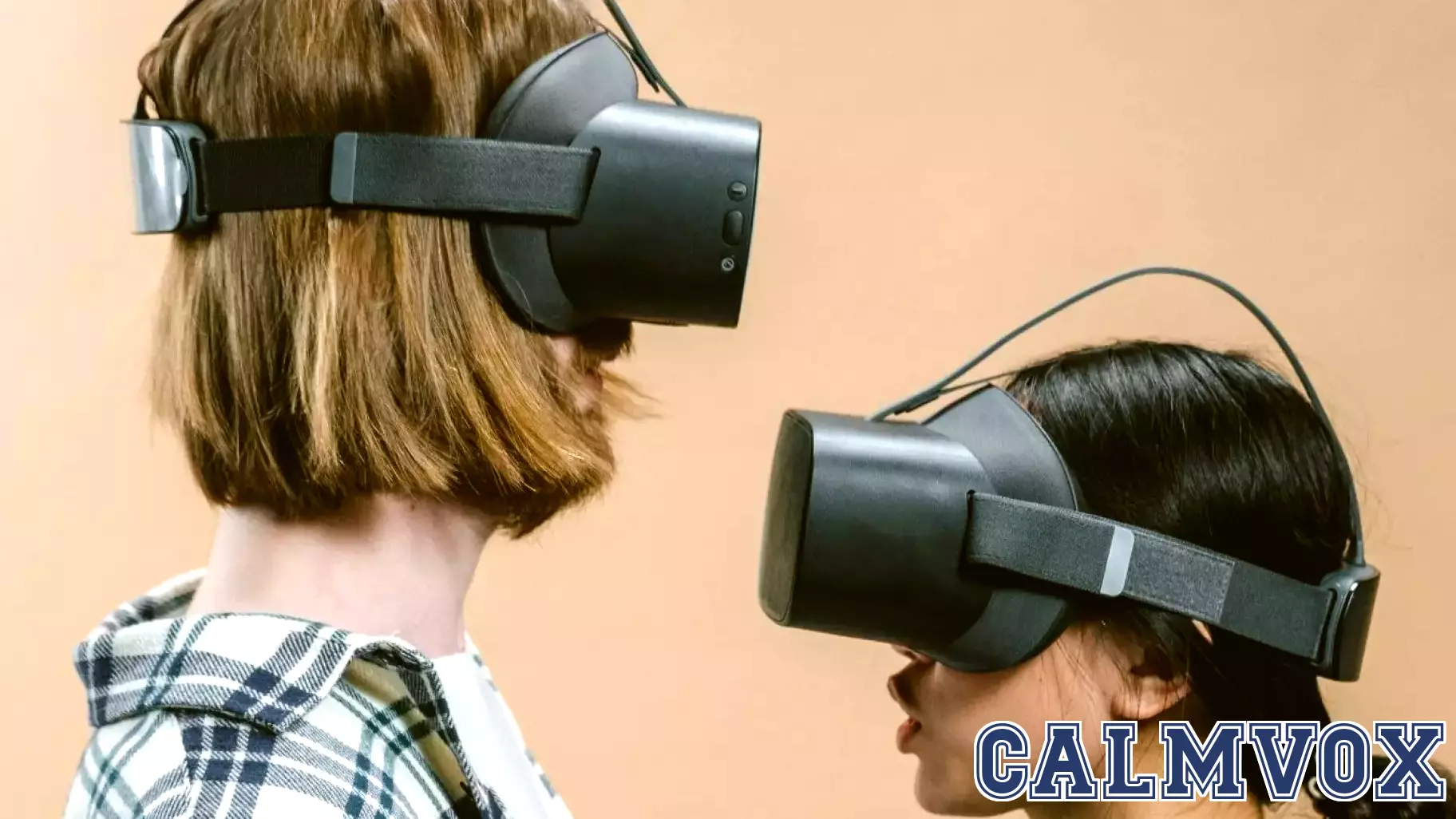
A groundbreaking application of virtual reality technology is providing a profound new understanding of human bias. By allowing users to literally step into another person’s shoes, VR is demonstrating why deeply held beliefs are so resistant to change, revealing that intellectual understanding is often not enough to shift perspective.
Researchers are utilizing immersive simulations to create powerful, first-person experiences of discrimination or differing life circumstances. The key insight is that VR doesn't just show a scenario; it makes the user feel physically present within it. This emotional and sensory engagement creates a visceral understanding that facts or narratives alone cannot achieve. Participants often report a stronger sense of empathy and connection after such simulations.
However, the science also uncovers a significant challenge. While these experiences can be emotionally impactful, their effect on long-term attitudes and behavior is complex. Changing a deeply ingrained bias requires more than a single immersive session; it needs sustained reflection and real-world reinforcement. The technology powerfully exposes the roots of bias by making it feel personal, yet it simultaneously highlights the difficult, ongoing work required to overcome it. This research positions VR not as a simple fix, but as a unique tool for fostering the crucial first step: genuine, embodied awareness.
MORE NEWS

July 15, 2026 - 00:31
Psychology says people who remain kind despite a difficult life aren't weak or in denial — they're often running on a kind of strength that only forms under sustained pressure, the way certain metals doThis resilience is not about ignoring pain. It is about processing it without letting it turn into bitterness. When someone faces betrayal, loss, or chronic struggle and still chooses empathy, they...

July 14, 2026 - 13:58
Psychology says people who are scared of darkness aren't necessarily weak, they may experience uncertaintyFor generations, being afraid of the dark has been dismissed as childish or a sign of weakness. But recent psychological perspectives challenge that assumption. Experts now suggest that a fear of...

July 13, 2026 - 21:52
Psychology says students who are backbenchers aren't trying to hide themselves, they may be choosing theiFor years, students who sit in the back of the classroom have been labeled as lazy, rebellious, or disengaged. Teachers and parents often assume they are trying to avoid attention or escape...

July 13, 2026 - 00:51
Psychology says people who keep clothes on a chair aren't untidy, they may be creating a practical middleFor years, leaving a pile of clothes draped over a chair has been seen as a sign of laziness or clutter. But a growing number of psychologists argue that this habit is actually a sign of a...