Psychology says the most dangerous form of loneliness isn’t being alone. It’s being surrounded by people while performing a version of yourself that none of them would recognize if they saw you at home on a Sunday afternoon.
April 17, 2026 - 11:27
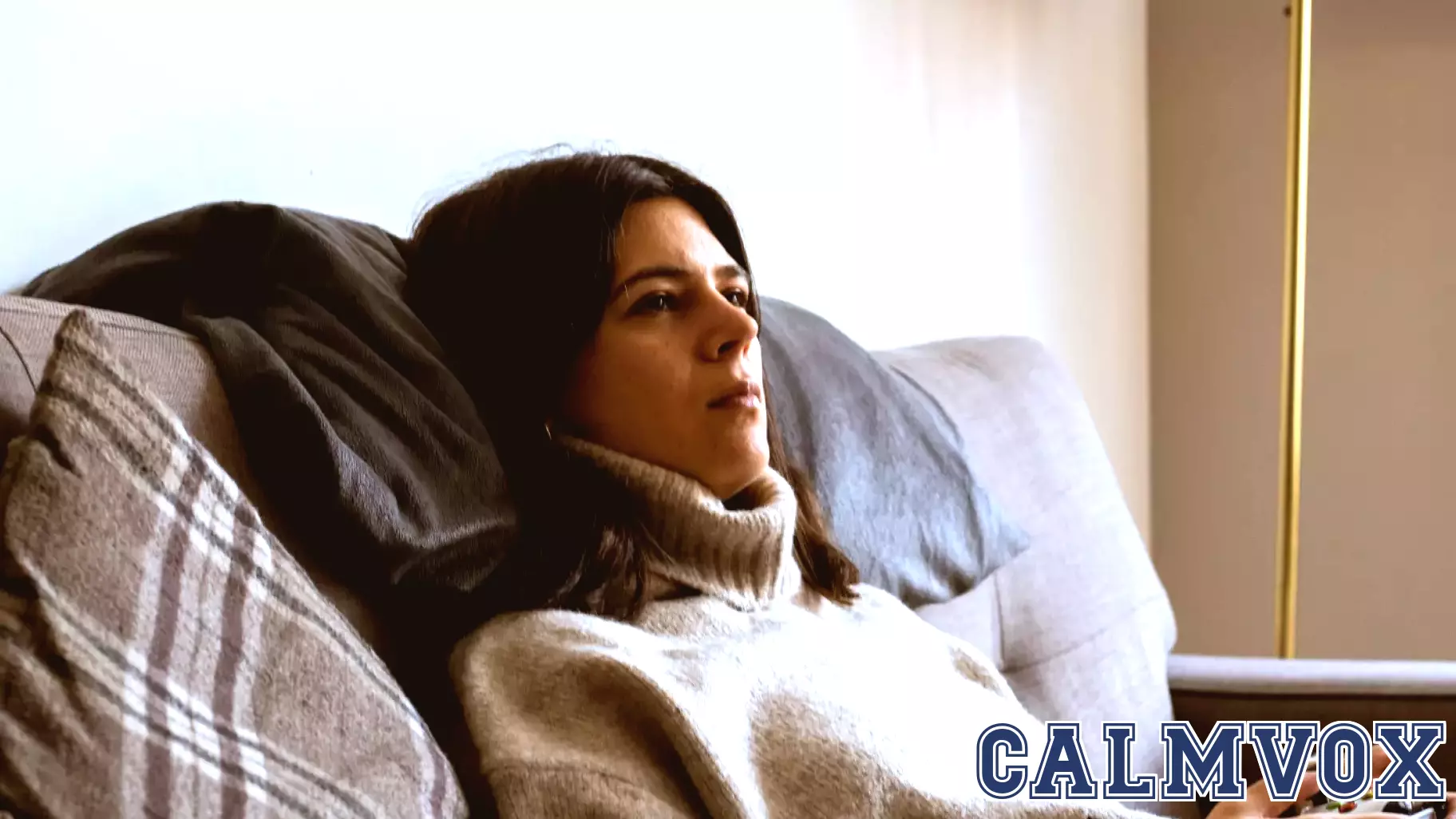
You have friends. You have dinner plans. Your calendar has things on it. People text you. You show up to gatherings and people seem glad you came. On paper, you are connected. Yet, a profound and isolating loneliness can persist, one that psychologists identify as particularly corrosive. This is not the loneliness of physical solitude, but the deep-seated ache of feeling unknown.
This dangerous form of loneliness occurs when you are constantly surrounded by people while performing a curated version of yourself—a persona you believe is required for acceptance. You laugh at the right jokes, share the acceptable opinions, and wear the expected mask. The true cost is paid in private moments, when you realize that if these people saw the unfiltered, quiet, or unconventional person you are at home on a Sunday afternoon, they might not recognize you at all.
This disconnect creates a psychological chasm. The self you present requires constant energy to maintain, leading to emotional exhaustion. Simultaneously, the authentic self feels increasingly distant and unworthy, starved of genuine connection. The very interactions meant to fulfill us instead reinforce a sense of being an imposter in one's own life. True belonging, experts argue, cannot exist without authenticity. The path out of this loneliness begins with the courageous, gradual act of letting the lines blur between the performed self and the real one, seeking out spaces and people where the Sunday afternoon version is not just allowed, but welcomed.
MORE NEWS

July 16, 2026 - 13:35
Money can buy happiness, it turns out, if you spend it on someone else: in experiments and in survey data from 136 countries, people who spent on others reported a bigger lift in mood than those who spent it on their own wantsFor years, the old saying has been that money cannot buy happiness. But a growing body of research suggests that might depend on how you spend it. New findings from a large-scale analysis of survey...
July 15, 2026 - 22:18
Psychology says people who are scared of heights aren’t cowards, they may be experiencing an ancient surviBeing afraid of heights does not mean someone is weak or lacks courage. While many people feel uneasy in high places, others experience acrophobia, a more intense fear that can interfere with...

July 15, 2026 - 00:31
Psychology says people who remain kind despite a difficult life aren't weak or in denial — they're often running on a kind of strength that only forms under sustained pressure, the way certain metals doThis resilience is not about ignoring pain. It is about processing it without letting it turn into bitterness. When someone faces betrayal, loss, or chronic struggle and still chooses empathy, they...

July 14, 2026 - 13:58
Psychology says people who are scared of darkness aren't necessarily weak, they may experience uncertaintyFor generations, being afraid of the dark has been dismissed as childish or a sign of weakness. But recent psychological perspectives challenge that assumption. Experts now suggest that a fear of...