Psychologists say the most common trait among people who prefer their own company is a childhood spent managing their own world because no one else would
March 3, 2026 - 12:07
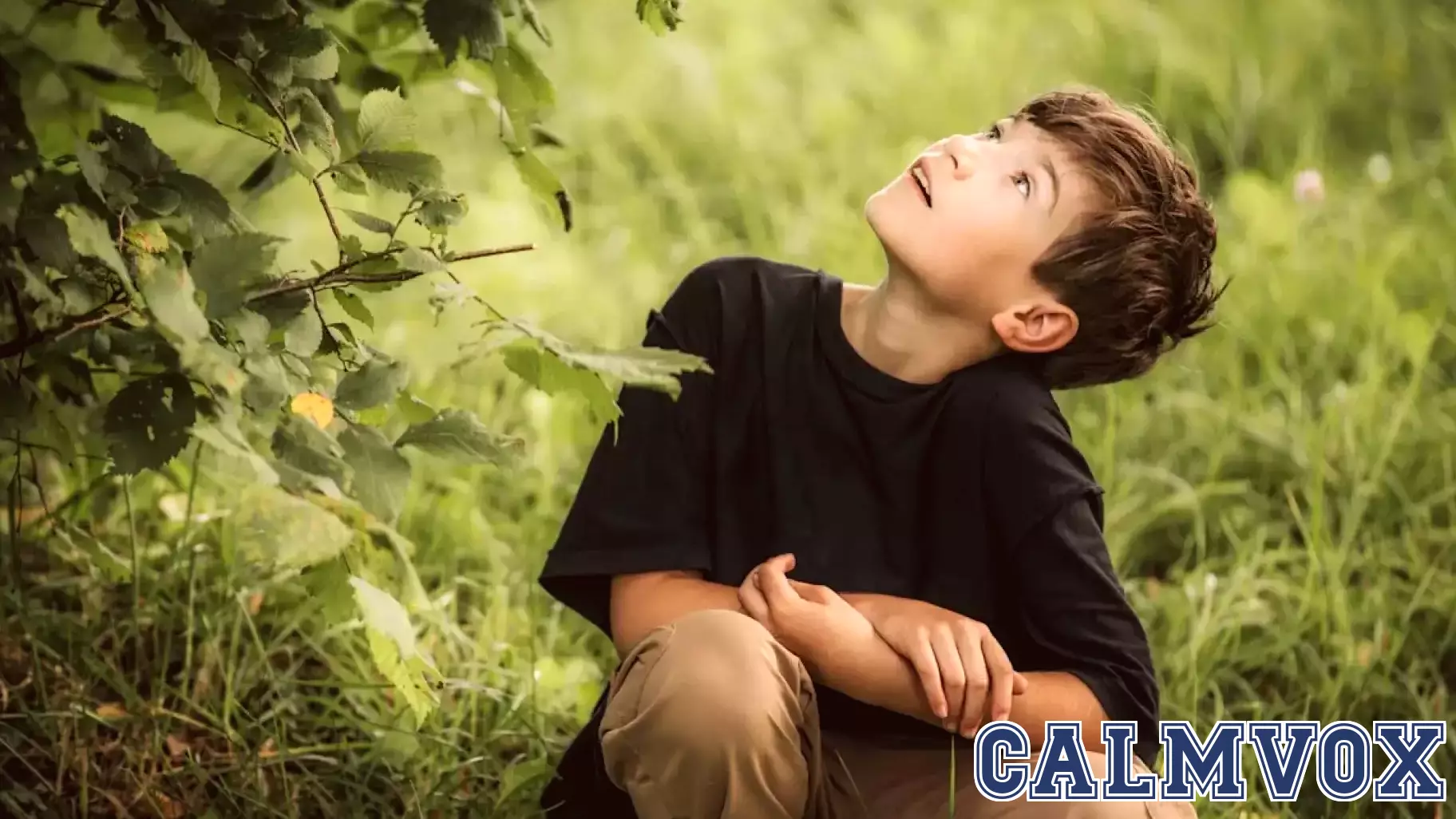
A common assumption paints those who genuinely prefer their own company as simply introverted or shy. However, psychologists suggest the roots of this comfort in solitude often run deeper, frequently tracing back to a childhood where they learned to manage their own world because no one else would.
This early self-reliance becomes a formative experience. When consistent emotional support or engagement from caregivers is lacking, children adapt. They turn inward, constructing rich internal landscapes—through imagination, books, or solitary play—to meet their own needs for stimulation, comfort, and company. This isn't necessarily a story of neglect, but often one of circumstance where a child learns to be their own primary source of entertainment and emotional regulation.
The result is an adult who doesn't just tolerate being alone but actively values it. The solitude they mastered in youth becomes a familiar, safe, and creatively fertile space. They carry a well-practiced ability to navigate their inner world, making external social stimulation less of a constant necessity. This self-sufficiency is less about social aversion and more about a deeply ingrained competence in creating fulfillment independently. Their preference is not a deficit, but a skill honed from a young age, reflecting a resilient adaptation that continues to shape their peaceful and self-contained adult life.
MORE NEWS

July 16, 2026 - 13:35
Money can buy happiness, it turns out, if you spend it on someone else: in experiments and in survey data from 136 countries, people who spent on others reported a bigger lift in mood than those who spent it on their own wantsFor years, the old saying has been that money cannot buy happiness. But a growing body of research suggests that might depend on how you spend it. New findings from a large-scale analysis of survey...

July 15, 2026 - 22:18
Psychology says people who are scared of heights aren’t cowards, they may be experiencing an ancient surviBeing afraid of heights does not mean someone is weak or lacks courage. While many people feel uneasy in high places, others experience acrophobia, a more intense fear that can interfere with...

July 15, 2026 - 00:31
Psychology says people who remain kind despite a difficult life aren't weak or in denial — they're often running on a kind of strength that only forms under sustained pressure, the way certain metals doThis resilience is not about ignoring pain. It is about processing it without letting it turn into bitterness. When someone faces betrayal, loss, or chronic struggle and still chooses empathy, they...

July 14, 2026 - 13:58
Psychology says people who are scared of darkness aren't necessarily weak, they may experience uncertaintyFor generations, being afraid of the dark has been dismissed as childish or a sign of weakness. But recent psychological perspectives challenge that assumption. Experts now suggest that a fear of...