How Gambling Addiction Is Changing in a Polymarket World
February 4, 2026 - 12:49

The landscape of gambling addiction is undergoing a profound and dangerous transformation, moving far beyond the traditional casino floor. The rise of online sports betting and so-called "prediction markets" has created a polymarket world where gambling is seamlessly integrated into daily life, leading to a new wave of devastating consequences.
This constant accessibility via smartphones has blurred the lines between entertainment and compulsion. Where betting was once a deliberate act, it is now an instantaneous click during a commute or a commercial break. The sheer variety of markets—from final scores to minute player actions—creates an illusion of control and expertise, trapping individuals in a cycle of continuous wagering.
Experts warn that these platforms, often marketed as skill-based, are fueling a hidden crisis. The psychological hooks are powerful: live betting, instant cash-outs, and data-rich interfaces mimic financial trading, masking the high-risk reality. This normalization is particularly affecting younger demographics, introducing them to gambling through video game aesthetics and social media integration.
The result is a more insidious form of addiction, one that is harder to recognize and escape. Financial ruin is arriving faster, while the 24/7 nature of online platforms leaves little respite for recovery. The changing face of this addiction demands a urgent reevaluation of support systems and regulatory frameworks to address a crisis playing out in plain sight on the screens in our pockets.
MORE NEWS
August 4, 2026 - 03:28
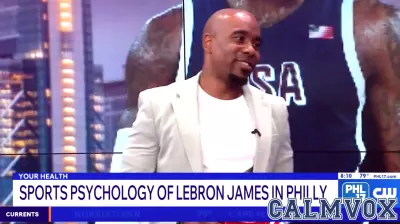
The LeBron Effect: The psychology of LeBron joining the SixersThe NBA rumor mill has been spinning at full speed, and the latest speculation centers on LeBron James and the Philadelphia 76ers. While the basketball fit is obvious, the mental and emotional...

August 3, 2026 - 02:51
Why Partner Violence Less Recognized in LGBTQ RelationshipsWhen people picture domestic violence, they often default to a heterosexual scenario with a male aggressor and a female victim. That narrow image leaves many LGBTQ survivors invisible. The reality...

August 1, 2026 - 11:09
Psychology suggests who you end up close to isn't decided by looks or shared passions — it's proximity, plain nearness, because liking tends to grow for whoever we simply keep seeing, again and againWe like to believe that our closest relationships are written in the stars, a perfect alignment of chemistry, shared values, and that inexplicable spark. We credit fate, timing, and destiny. But...

July 31, 2026 - 07:07
Psychologist Reveals the Real Reason So Many Adult Children Cut Off Their ParentsNew data shows that more than a third of Americans have experienced estrangement from an immediate family member, and the most common fracture is between adult children and their parents. While...