Guilt induction and love withdrawal more likely to trigger depressive symptoms in adolescents
June 2, 2026 - 19:22
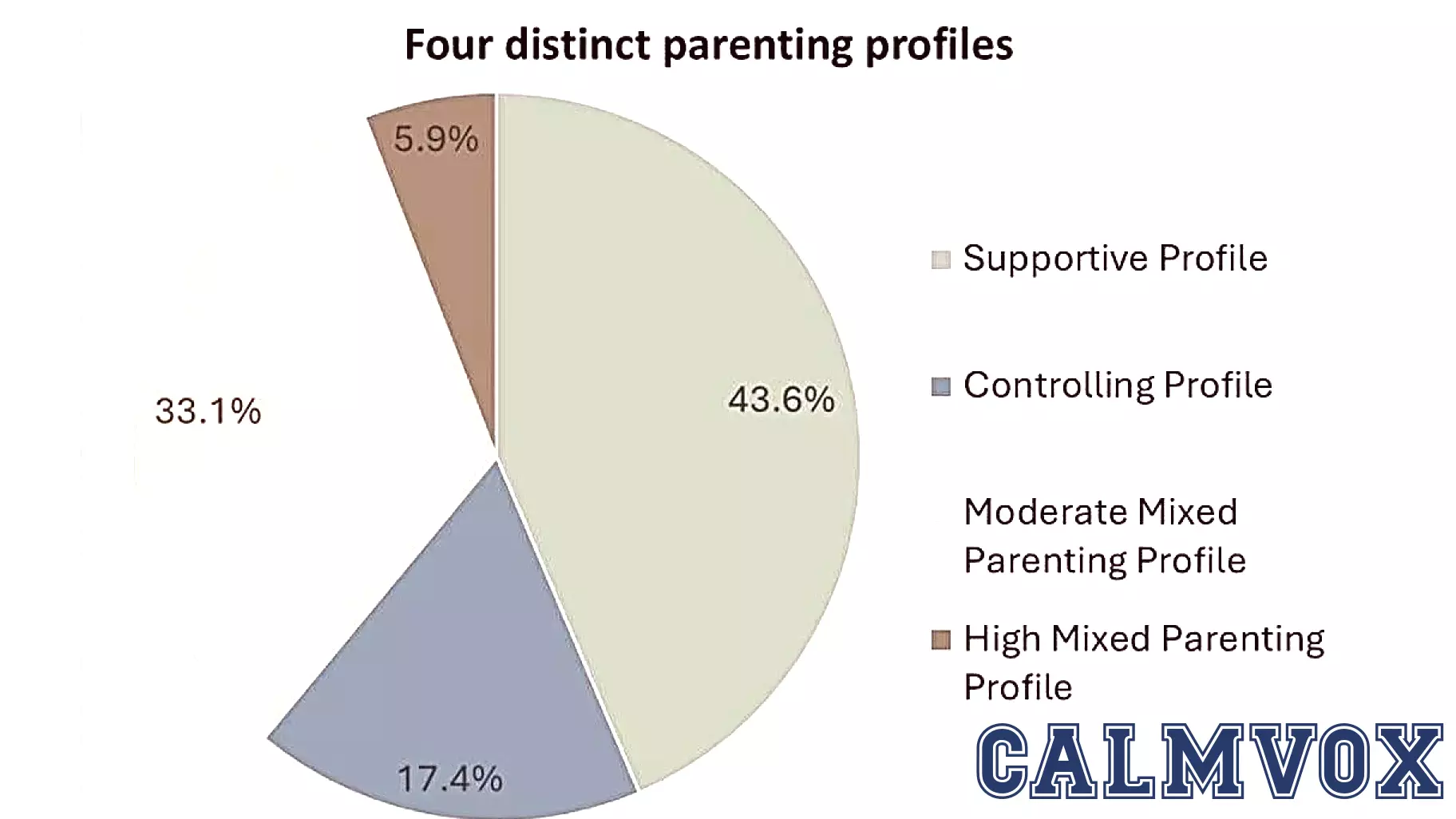
A new study from Lingnan University and South China Normal University reveals that certain parenting methods may significantly increase the risk of depressive symptoms in adolescents. Researchers from the Department of Psychology at Lingnan, working alongside colleagues from South China Normal's School of Psychology, found that techniques based on guilt induction and love withdrawal are particularly harmful.
The study examined how different forms of psychological control affect teenagers. Guilt induction involves making a child feel responsible for a parent's emotional state, often through statements like "If you really cared, you would not do this." Love withdrawal refers to withholding affection or attention until the child behaves in a desired way. Both tactics, the researchers concluded, create a toxic environment that undermines a teen's sense of security and self-worth.
According to the findings, adolescents exposed to these behaviors were far more likely to report symptoms of depression compared to peers whose parents used more supportive and autonomy-granting approaches. The research suggests that when parents rely on emotional manipulation, they inadvertently teach their children that love is conditional. This can lead to chronic feelings of anxiety, low self-esteem, and helplessness.
The team emphasized that the impact is not about occasional frustration or discipline but about a consistent pattern of emotional control. They recommend that parents focus on open communication and validation of their child's feelings rather than using guilt or conditional affection as tools. The study adds to a growing body of evidence that how parents manage their own emotions and set boundaries plays a critical role in adolescent mental health.
MORE NEWS

July 17, 2026 - 18:53
2 ‘Lazy’ Weekend Habits That Recharge Relationships, By A PsychologistNew research in relationship psychology suggests that the most effective way to strengthen a long-term partnership is not through grand gestures or elaborate date nights, but through two...

July 17, 2026 - 15:42
Two Sleep Patterns Linked to Higher Intelligence, Psychologist SaysNew research suggests that the quality of your sleep may matter more than the quantity when it comes to brainpower. A psychologist has identified two specific brain-wave patterns that occur during...

July 16, 2026 - 20:32
Why We Defend the People Who Con UsThe best con artists do not just steal your money. They steal your loyalty. A skilled manipulator knows that the most effective way to avoid exposure is to turn their victim into a shield. You do...

July 16, 2026 - 13:35
Money can buy happiness, it turns out, if you spend it on someone else: in experiments and in survey data from 136 countries, people who spent on others reported a bigger lift in mood than those who spent it on their own wantsFor years, the old saying has been that money cannot buy happiness. But a growing body of research suggests that might depend on how you spend it. New findings from a large-scale analysis of survey...