Why We Defend the People Who Con Us
July 16, 2026 - 20:32
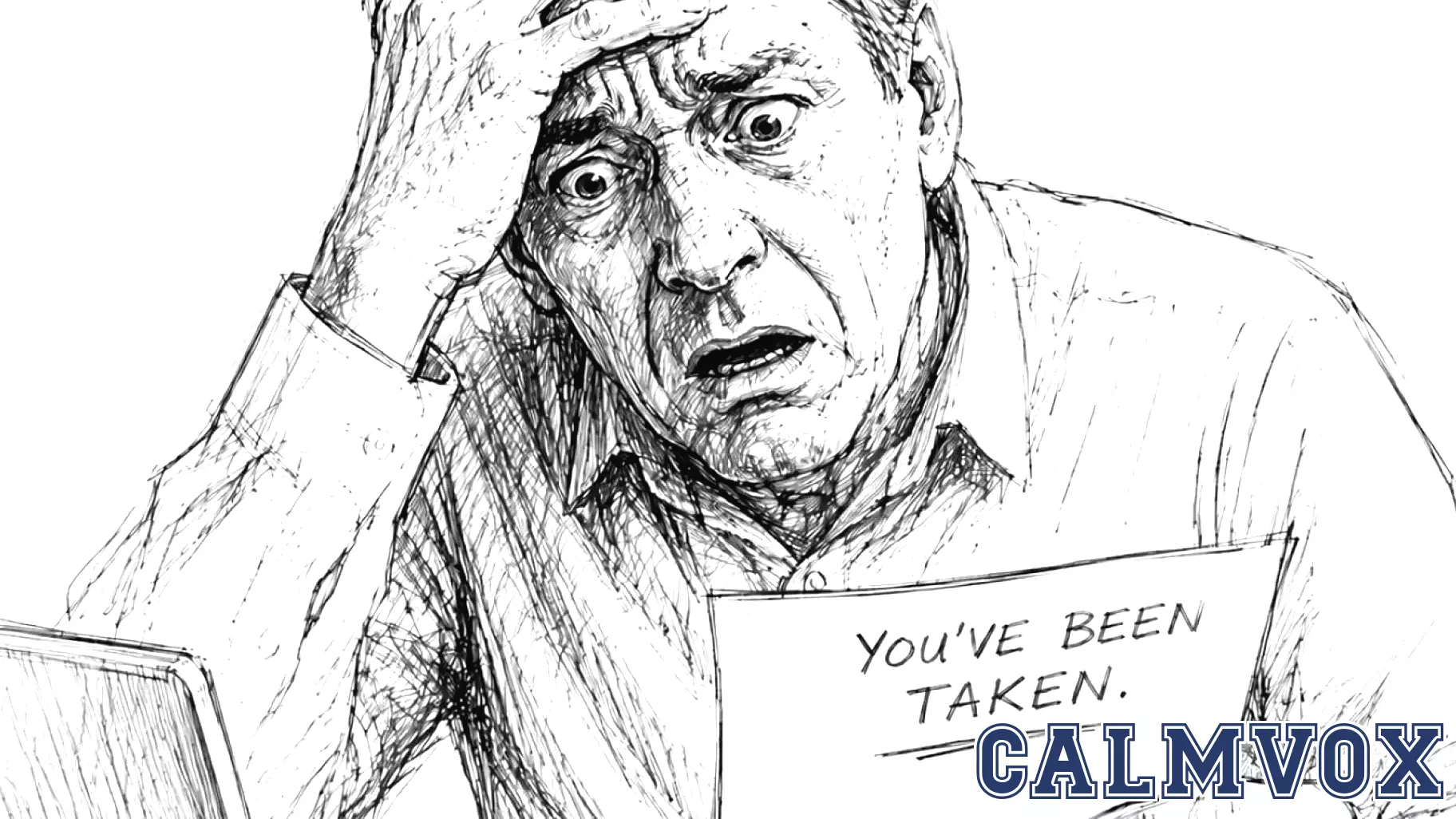
The best con artists do not just steal your money. They steal your loyalty. A skilled manipulator knows that the most effective way to avoid exposure is to turn their victim into a shield. You do not just lose your savings to a fraud. You lose your ability to see the fraud clearly, because you are too busy defending the person who is taking from you.
This phenomenon is not limited to obvious scams. It happens in bad relationships, toxic workplaces, and even with charismatic public figures. The process is subtle. First, the con artist isolates you from outside opinions. They tell you that your friends are jealous or that your family does not understand. Second, they create a debt of gratitude. They do small favors or offer emotional support that feels genuine. Once you feel indebted, you start rationalizing their bad behavior. You tell yourself they made a mistake, or that they are under stress, or that you owe them another chance.
The real trap is ego. If you have defended someone loudly and publicly, it becomes very hard to admit you were wrong. Your brain treats a change of opinion as a loss of face. So you double down. You attack the people who warn you. You find evidence to support your belief. You become the con artist's best security system.
How do you tell if you are caught in this? Ask yourself one honest question: When someone criticizes the person you trust, do you feel a flash of anger before you consider their words? If your first instinct is to defend rather than to investigate, you might be protecting your own deceiver. The strongest defense against a con is the willingness to be wrong about someone you like.
MORE NEWS

July 16, 2026 - 13:35
Money can buy happiness, it turns out, if you spend it on someone else: in experiments and in survey data from 136 countries, people who spent on others reported a bigger lift in mood than those who spent it on their own wantsFor years, the old saying has been that money cannot buy happiness. But a growing body of research suggests that might depend on how you spend it. New findings from a large-scale analysis of survey...
July 15, 2026 - 22:18
Psychology says people who are scared of heights aren’t cowards, they may be experiencing an ancient surviBeing afraid of heights does not mean someone is weak or lacks courage. While many people feel uneasy in high places, others experience acrophobia, a more intense fear that can interfere with...

July 15, 2026 - 00:31
Psychology says people who remain kind despite a difficult life aren't weak or in denial — they're often running on a kind of strength that only forms under sustained pressure, the way certain metals doThis resilience is not about ignoring pain. It is about processing it without letting it turn into bitterness. When someone faces betrayal, loss, or chronic struggle and still chooses empathy, they...

July 14, 2026 - 13:58
Psychology says people who are scared of darkness aren't necessarily weak, they may experience uncertaintyFor generations, being afraid of the dark has been dismissed as childish or a sign of weakness. But recent psychological perspectives challenge that assumption. Experts now suggest that a fear of...