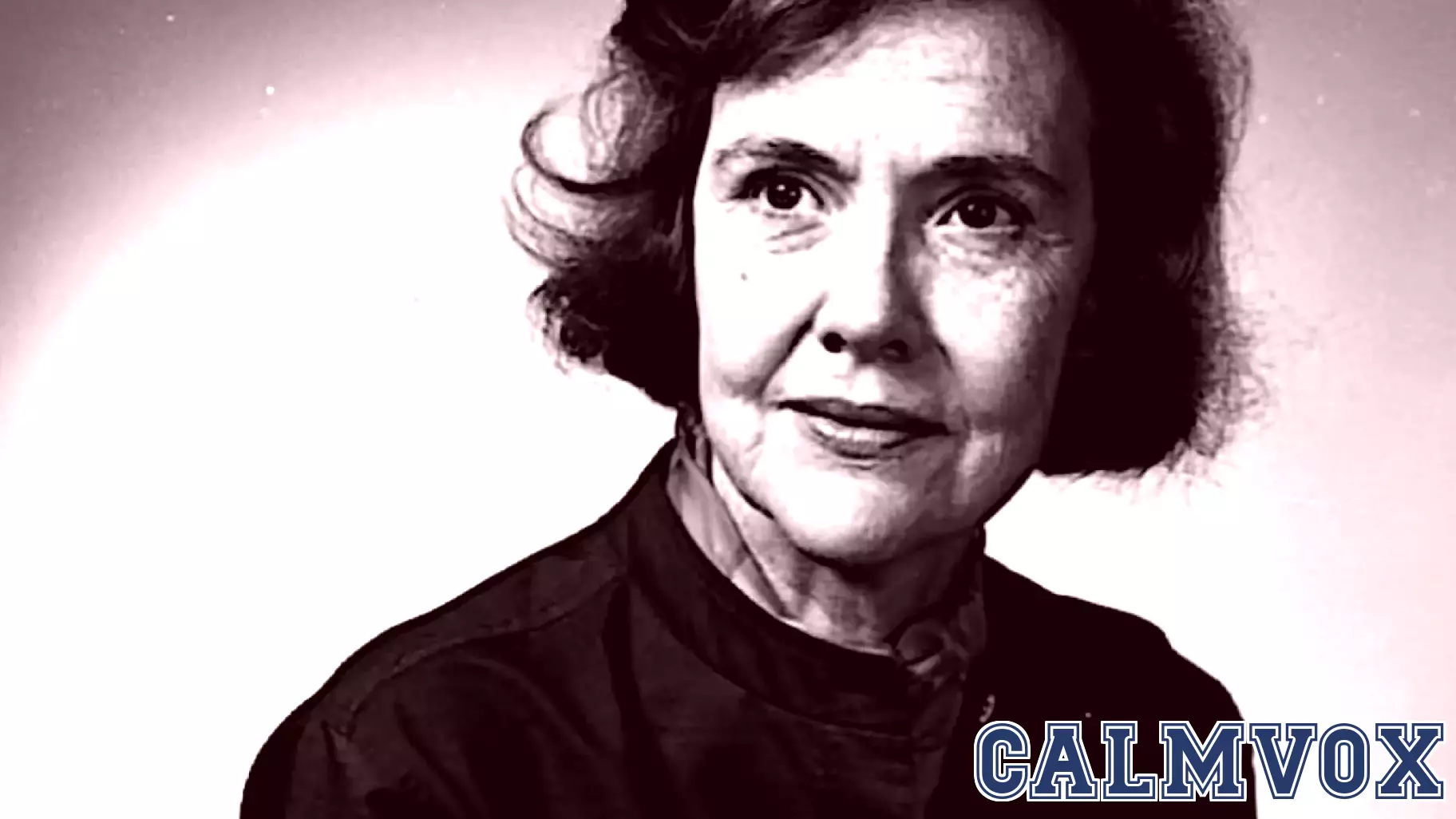
Carolyn Wood Sherif, pioneer of feminist psychology who foresaw the risks of scientific bias
May 15, 2026 - 18:05
By Madeleine Pownall
In the sunlit clearing of a state park in Robbers Cave, Oklahoma, Carolyn Wood Sherif stood squinting upward. Before her stood two wooden cabins, unremarkable in their construction but central to one of the most famous experiments in social psychology. Yet Sherif's own legacy reaches far beyond that summer camp. She was a pioneer of feminist psychology, a thinker who saw early on how bias could distort scientific inquiry.
Sherif challenged the male-dominated field of psychology at a time when women's perspectives were often dismissed. She argued that researchers were not neutral observers but carried their own assumptions into the lab. This, she warned, could lead to flawed conclusions, especially when studying gender and behavior. Her work pushed for a more critical look at how science itself is shaped by the people who conduct it.
Her contributions include the concept of "self-system," which emphasized how social roles and power structures influence identity. She also co-authored key texts on the psychology of women, laying groundwork for later feminist critiques of the field. Sherif understood that bias was not just a personal failing but a structural problem within academic institutions.
Today, her insights feel more relevant than ever. As psychology grapples with replication crises and questions about diversity in research, Sherif's warnings echo. She reminded us that science does not happen in a vacuum. It is shaped by culture, by power, and by who gets to ask the questions. Her legacy is a call to remain vigilant, to question authority, and to build a science that serves everyone.
MORE NEWS

August 14, 2026 - 00:42
Psychology says people who buy duplicates of products they love may have a stronger preference for certainFor many people, buying a second or third version of a favorite product is not about hoarding or indecision. According to recent observations in consumer psychology, this habit often points to a...

August 13, 2026 - 12:54
SLU providing free mental heath exams for St. Louis residentsSaint Louis University`s Psychological Services Center has launched a new initiative to offer free mental health assessments to anyone living within St. Louis city limits. The program aims to...

August 12, 2026 - 22:09
Your AI Agrees With You Too MuchA new study from Stanford University has found that a single conversation with an AI chatbot can make you more confident in your own opinions, even when those opinions are wrong. The researchers...

August 10, 2026 - 17:54
A Surprising Driver of Pro-Life BeliefsA new preprint study is stirring conversation by suggesting that a person`s stance on abortion might be tied to their own romantic and mating strategies. The research, which has not yet undergone...