Balancing Holiday Expectations and Setting Boundaries
December 3, 2024 - 13:44
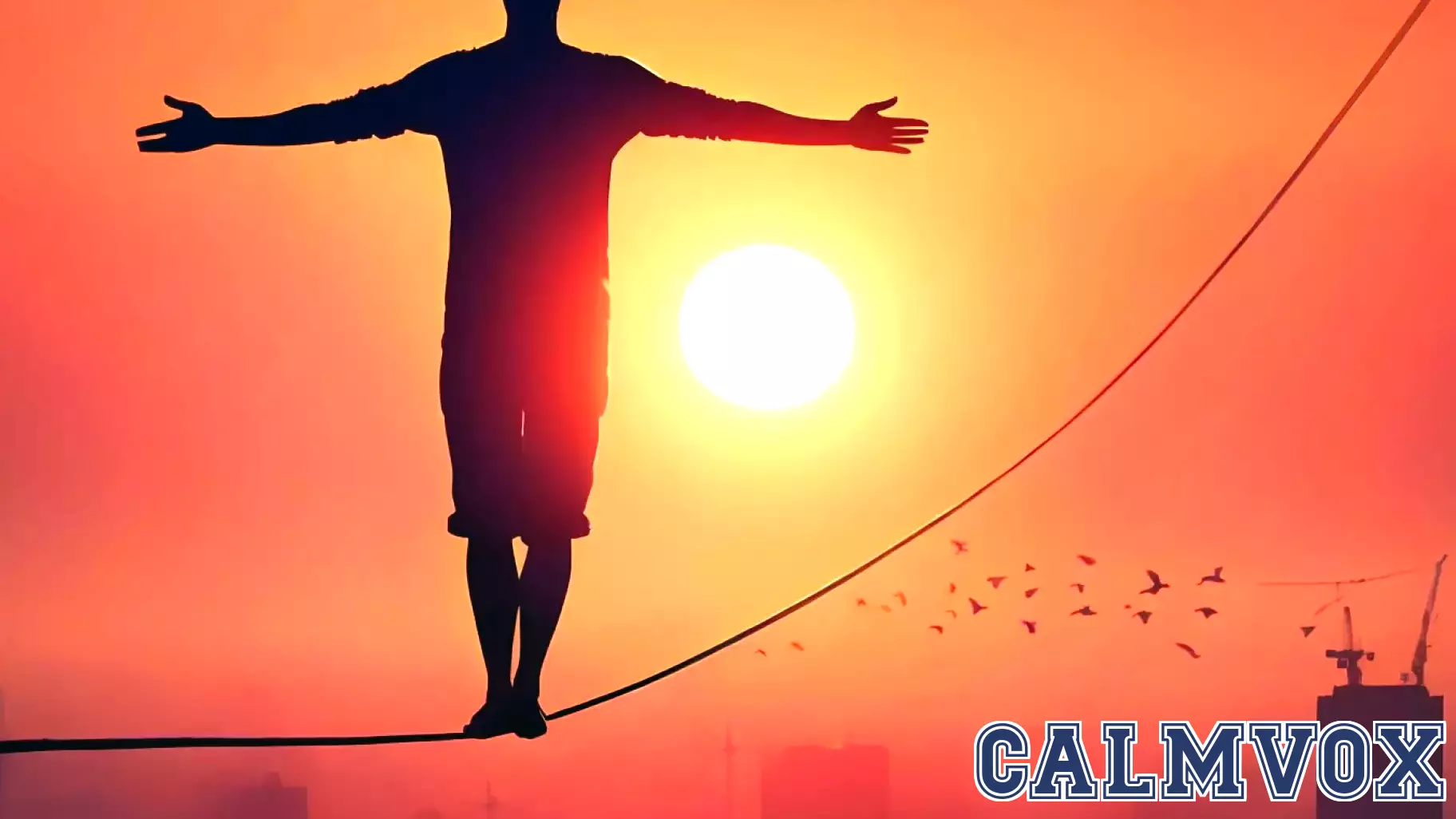
As the holiday season approaches, many individuals find themselves navigating the delicate balance between personal beliefs and societal expectations, particularly when it comes to religious practices. The pressure to conform to traditional celebrations can be overwhelming, often leading to stress and anxiety. Families may have differing views on how to observe the holidays, which can create tension and discomfort.
To manage these challenges, it is essential to establish clear boundaries. Open communication with family and friends about one’s beliefs and preferences can foster understanding and respect. It is important to articulate what feels comfortable and what does not, allowing for a more harmonious holiday experience.
Additionally, individuals should prioritize self-care during this busy time. Engaging in activities that bring joy and relaxation can help mitigate feelings of obligation and stress. By consciously choosing how to celebrate—or not celebrate—religious traditions, individuals can create a holiday experience that aligns with their values while still honoring the diverse beliefs of those around them.
MORE NEWS

July 15, 2026 - 22:18
Psychology says people who are scared of heights aren’t cowards, they may be experiencing an ancient surviBeing afraid of heights does not mean someone is weak or lacks courage. While many people feel uneasy in high places, others experience acrophobia, a more intense fear that can interfere with...

July 15, 2026 - 00:31
Psychology says people who remain kind despite a difficult life aren't weak or in denial — they're often running on a kind of strength that only forms under sustained pressure, the way certain metals doThis resilience is not about ignoring pain. It is about processing it without letting it turn into bitterness. When someone faces betrayal, loss, or chronic struggle and still chooses empathy, they...
July 14, 2026 - 13:58
Psychology says people who are scared of darkness aren't necessarily weak, they may experience uncertaintyFor generations, being afraid of the dark has been dismissed as childish or a sign of weakness. But recent psychological perspectives challenge that assumption. Experts now suggest that a fear of...

July 13, 2026 - 21:52
Psychology says students who are backbenchers aren't trying to hide themselves, they may be choosing theiFor years, students who sit in the back of the classroom have been labeled as lazy, rebellious, or disengaged. Teachers and parents often assume they are trying to avoid attention or escape...