Adults Lose Skills to AI. Children Never Build Them.
March 22, 2026 - 22:31
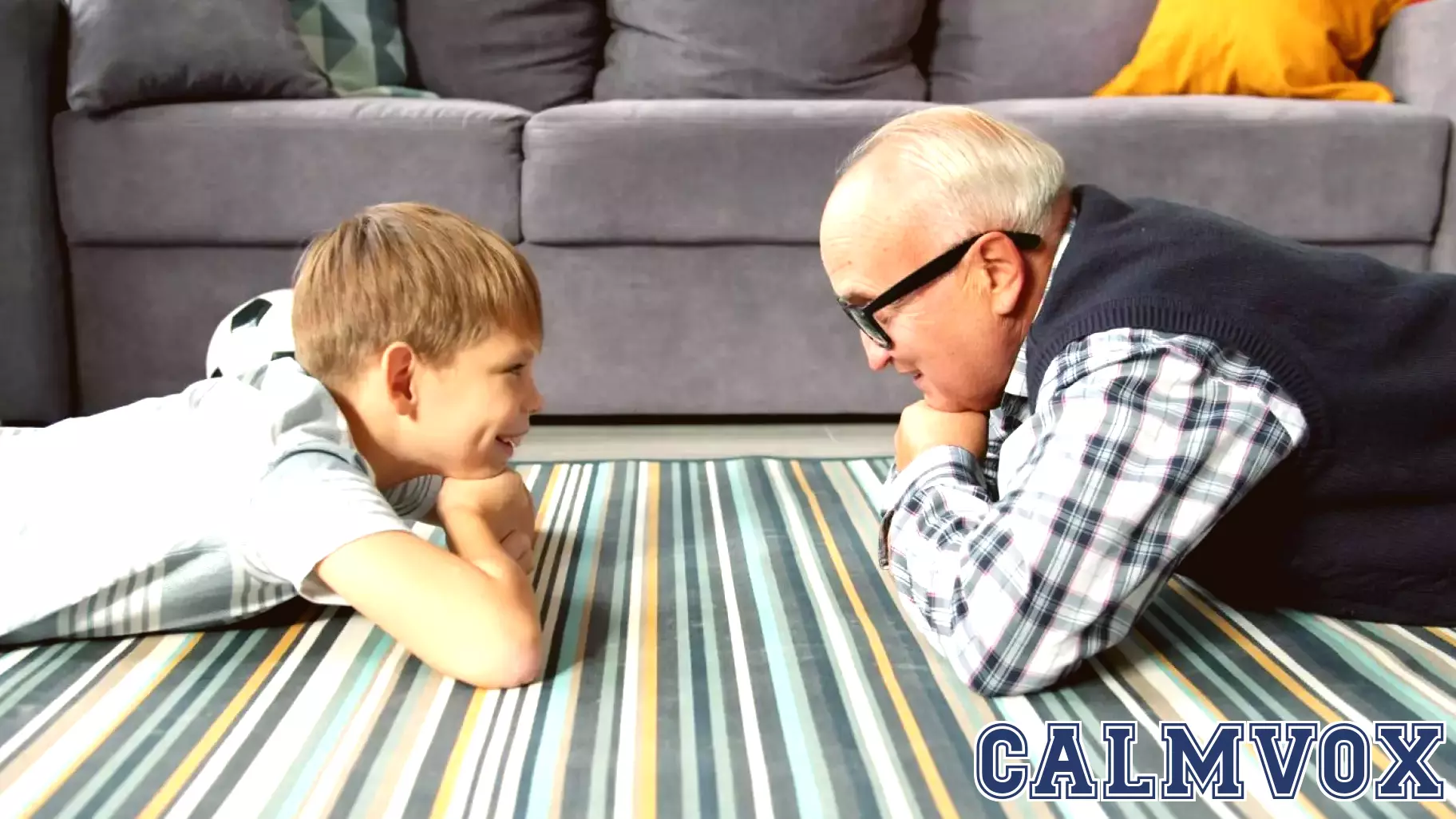
The rise of artificial intelligence is reshaping how we think and solve problems, a process experts call cognitive offloading. However, a crucial point is often overlooked: the impact of AI on a middle-aged adult is fundamentally different from its effect on a developing adolescent.
For an adult with decades of experience, tools like AI can supplement established skills. A 45-year-old professional might use AI to draft an email, but they rely on a deep well of prior knowledge to edit and refine it. The concern is one of skill atrophy—losing the sharp edge of abilities they once actively used.
The greater societal risk lies with younger generations. A 14-year-old is in the critical phase of building core cognitive skills like critical analysis, structured writing, and sustained research. If AI is introduced as a primary tool during this formative period, there is a danger those foundational skills may never be fully developed in the first place. The issue shifts from losing an ability to never acquiring it.
This creates a potential generational divide in fundamental competencies. The conversation must move beyond simply how we use AI to when and how we introduce it, ensuring that technological assistance does not come at the cost of cultivating essential human intellect in the next generation.
MORE NEWS

August 5, 2026 - 04:07
Mental health services in Surrey and Hampshire receive £2m boostAn NHS trust covering parts of Surrey and Hampshire has confirmed that mental health services in the region will receive a two million pound funding increase. The investment is being directed...
August 4, 2026 - 03:28
The LeBron Effect: The psychology of LeBron joining the SixersThe NBA rumor mill has been spinning at full speed, and the latest speculation centers on LeBron James and the Philadelphia 76ers. While the basketball fit is obvious, the mental and emotional...

August 3, 2026 - 02:51
Why Partner Violence Less Recognized in LGBTQ RelationshipsWhen people picture domestic violence, they often default to a heterosexual scenario with a male aggressor and a female victim. That narrow image leaves many LGBTQ survivors invisible. The reality...

August 1, 2026 - 11:09
Psychology suggests who you end up close to isn't decided by looks or shared passions — it's proximity, plain nearness, because liking tends to grow for whoever we simply keep seeing, again and againWe like to believe that our closest relationships are written in the stars, a perfect alignment of chemistry, shared values, and that inexplicable spark. We credit fate, timing, and destiny. But...