4 Toxic Phrases That Destroy Trust In Relationships, By A Psychologist
March 23, 2026 - 15:54
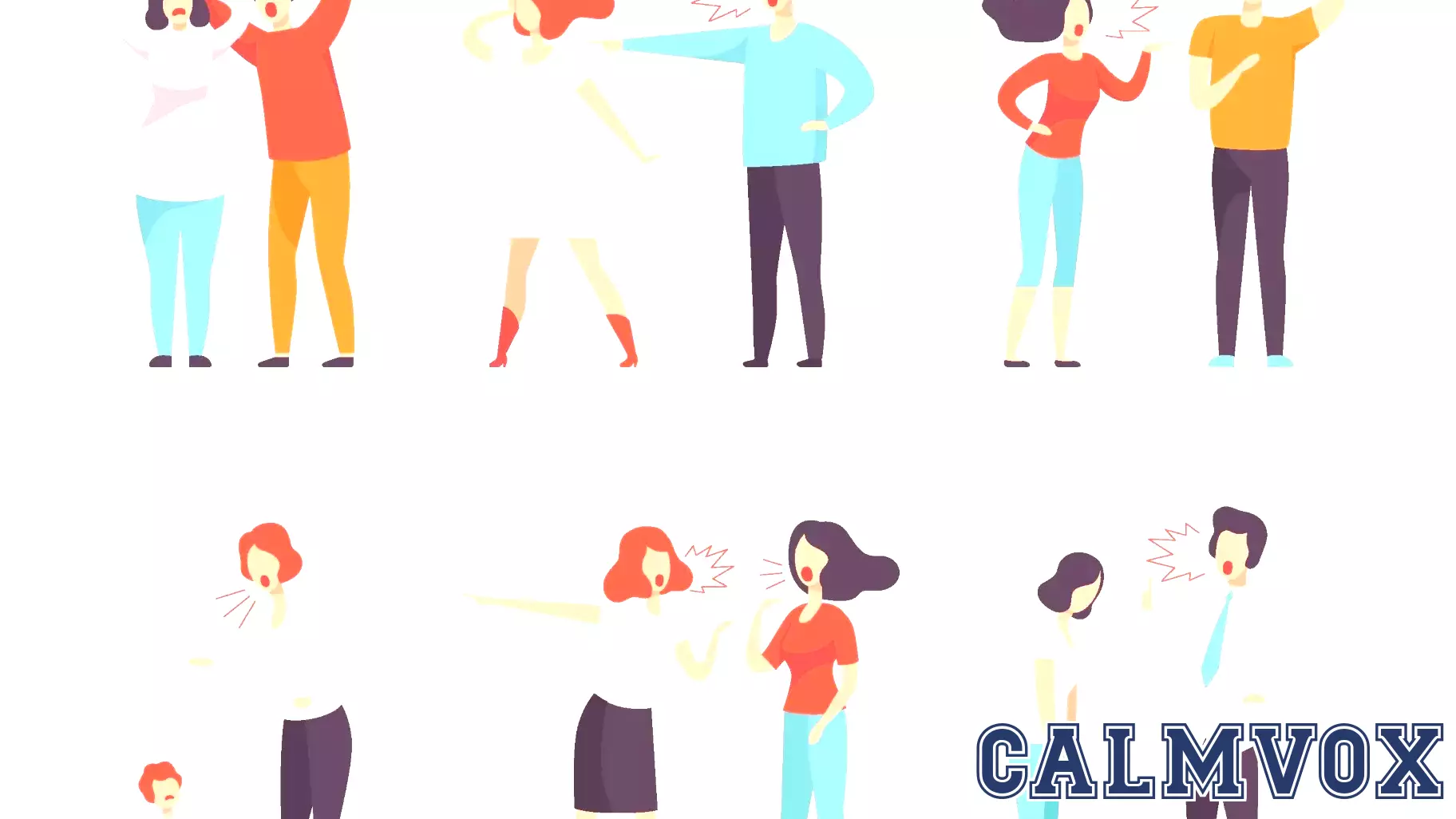
Trust is the bedrock of any strong relationship, yet it can be gradually worn away not by dramatic betrayals, but by subtle, everyday language. Psychological research highlights that certain common phrases, often spoken without malice, can systematically dismantle the safety and security between partners, friends, or family members.
The first, dismissive statements like "You're overreacting" or "Calm down," invalidate the other person's emotional reality, making them feel unheard and foolish for feeling what they feel. Secondly, absolute accusations such as "You always..." or "You never..." are rarely factually true and put the recipient on the defensive, shutting down productive conversation.
Third, phrases of passive aggression, like "Fine, whatever" or "Do what you want," create a climate of resentment and withdrawal instead of open communication. Finally, shifting blame with "You made me do this" avoids personal responsibility and frames the other person as the source of all problems, which is deeply corrosive.
The insidious power of these phrases lies in their casualness. They are often reflexive, not reflective, yet each instance chips away at mutual respect. Experts emphasize that replacing these destructive patterns with specific, non-blaming language focused on one's own feelings is crucial for building and maintaining a foundation of lasting trust.
MORE NEWS
August 5, 2026 - 04:07
Mental health services in Surrey and Hampshire receive £2m boostAn NHS trust covering parts of Surrey and Hampshire has confirmed that mental health services in the region will receive a two million pound funding increase. The investment is being directed...
August 4, 2026 - 03:28
The LeBron Effect: The psychology of LeBron joining the SixersThe NBA rumor mill has been spinning at full speed, and the latest speculation centers on LeBron James and the Philadelphia 76ers. While the basketball fit is obvious, the mental and emotional...

August 3, 2026 - 02:51
Why Partner Violence Less Recognized in LGBTQ RelationshipsWhen people picture domestic violence, they often default to a heterosexual scenario with a male aggressor and a female victim. That narrow image leaves many LGBTQ survivors invisible. The reality...

August 1, 2026 - 11:09
Psychology suggests who you end up close to isn't decided by looks or shared passions — it's proximity, plain nearness, because liking tends to grow for whoever we simply keep seeing, again and againWe like to believe that our closest relationships are written in the stars, a perfect alignment of chemistry, shared values, and that inexplicable spark. We credit fate, timing, and destiny. But...