Understanding the Role of Empathy in Psychological Counseling
13 July 2026
When you think of therapy or psychological counseling, what comes to mind? A quiet room. A kind therapist. Maybe even a comfy couch. But at the heart of successful counseling—beyond the tools, techniques, or theories—there’s one powerful, often underrated human ingredient: empathy.
Empathy is the invisible glue that holds the therapeutic relationship together. It’s more than just “being nice” or “feeling sorry” for someone. It’s the ability to step into someone else’s emotional world, feel what they’re feeling, and connect with them from that space. And in therapy? That’s a game-changer.
So let’s unpack this. Why is empathy so pivotal in psychological counseling? And how does it actually work to help people heal? Buckle up, because we’re about to take a deep dive into the emotional engine of therapy.
What Exactly Is Empathy?
Let’s clear the air before we go further. Empathy isn’t sympathy. Sympathy says, “Oh no, I feel bad for you.” Empathy says, “Wow, I can feel what you’re going through.”It’s like the difference between watching someone trapped in a storm versus stepping into that storm with them holding an umbrella.
Psychologists typically break empathy into three parts:
- Cognitive Empathy – Understanding someone’s thoughts or point of view.
- Emotional Empathy – Actually feeling what another person feels.
- Compassionate Empathy – A combination of both, plus the urge to help.
In therapy, all three types come into play. And when they do, something magical happens: clients feel seen, heard, and genuinely understood.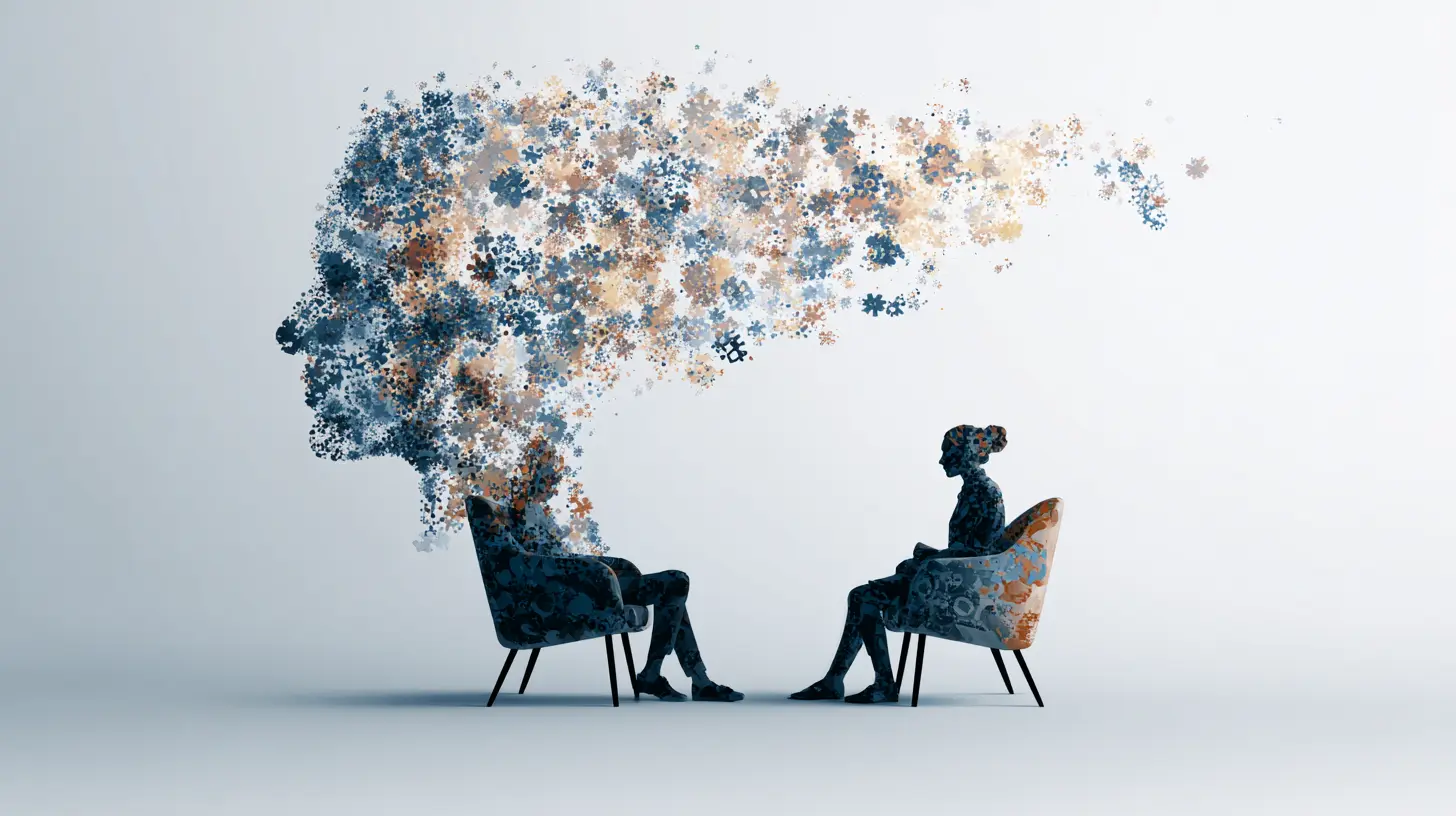
Why Empathy Matters in Counseling
You could have the most brilliant therapist in the world, armed with every psychological trick in the book. But if that therapist can't connect emotionally? The session’s dead in the water.Here’s why empathy makes such a massive difference in therapy:
1. Builds Trust
Therapy is vulnerable. You're talking about stuff you might not even share with your closest friend. Without trust, none of that’s going to happen.Empathy helps therapists build that trust by creating a non-judgmental, safe space. When clients feel truly understood—not just intellectually, but emotionally—they're more likely to open up.
Think of empathy as emotional Wi-Fi. It's the signal that tells your brain, “It’s safe to connect here.”
2. Enhances Communication
Ever tried to talk to someone who just… doesn’t get it? Frustrating, right?Empathic therapists are good listeners—not just hearing the words, but tuning into the emotional soundtrack behind them. They pick up on the sighs, the silences, the fidgeting hands. And then they reflect it back in a way that says, “I’m with you.”
That kind of deep communication isn't just comforting; it’s transformative.
3. Encourages Self-Exploration
When clients feel emotionally supported, they’re more likely to dig into the hard stuff. Trauma, anxiety, grief—empathy makes it easier to face those emotional minefields because someone is walking through them beside you.The message? “You don’t have to go through this alone.”
4. Fosters Change and Growth
Empathy doesn't fix people. It creates the environment where people can fix themselves.When someone feels truly understood, their defenses lower. They’re more open to new perspectives, more willing to challenge old patterns, and more capable of growth.
Empathy is like sunlight to a plant. It doesn’t do the growing—but nothing grows without it.
The Neuroscience Behind Empathy
Let’s nerd out for a second.Empathy isn’t just a warm, fuzzy feeling. It’s a neurobiological process. Our brains are wired to connect through what’s called the mirror neuron system. These neurons light up when we observe someone else experiencing something—fear, joy, pain—and help us feel a version of it ourselves.
And then there’s oxytocin, the bonding hormone. It’s released during moments of emotional connection, like when a therapist responds empathetically. This chemical cocktail reinforces the bond, strengthening the therapeutic alliance.
So yeah, empathy is literally brain magic.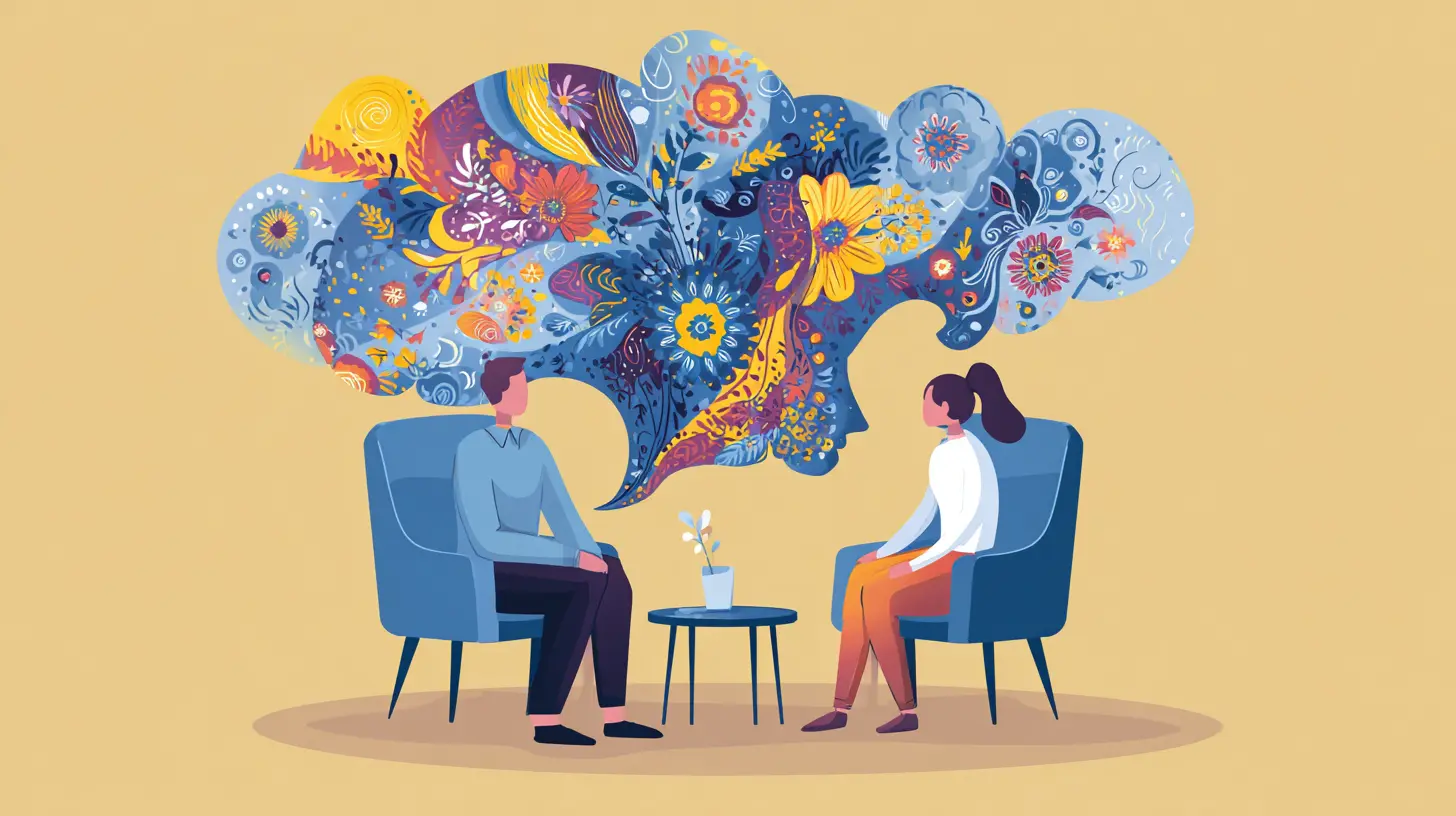
Empathy vs. Emotional Contagion
Now, let’s address the elephant in the room. Can too much empathy be a bad thing?Short answer: yes and no.
Empathy should be like a thermostat, not a thermometer. A good therapist doesn’t just absorb all the client’s feelings like an emotional sponge. That’s emotional contagion—and it leads to burnout.
Healthy empathy balances connection with boundaries. It’s the difference between "I feel for you" and "I feel like you."
Therapists need to practice what’s known as empathic attunement—tuning in without getting lost in the emotional static.
Ways Therapists Cultivate Empathy
Nobody’s born with perfect empathy skills, not even therapists. It’s something they develop, refine, and constantly work on. So how do they do it?1. Active Listening
This isn’t nodding while mentally planning dinner. It’s being fully present, with no agenda, no judgment—just pure focus on what the client is saying (and not saying).Active listening involves:
- Maintaining eye contact
- Reflecting back feelings
- Asking thoughtful, open-ended questions
- Validating emotions
2. Cultural Competence
Empathy isn’t one-size-fits-all. Therapists must understand how culture, race, gender, and background affect a client’s experience.Real empathy means being curious, not assuming. It’s about learning, unlearning, and being open to different ways of seeing the world.
3. Self-Awareness
Therapists need to know their own biases, triggers, and emotional blind spots. Otherwise, their personal stuff can cloud the empathic connection.It’s like trying to wipe someone’s glasses while yours are fogged up.
4. Mindfulness and Presence
Empathy happens in the now. Mindfulness helps therapists stay grounded, attentive, and centered—so they can truly be with the client in the moment.Real-World Empathy in Action
Imagine this scenario.A client says, “I don’t even know why I’m here. I’m just tired all the time, and nothing feels right.”
A non-empathic response? “Let’s talk about your sleep schedule.”
An empathic one? “It sounds like you’re carrying a heavy emotional load, and it’s weighing you down.”
See the difference?
The second response doesn’t jump to fix. It mirrors the feeling, honors it, and holds space for it. That’s empathy doing its thing.
When Empathy Goes Beyond Words
Therapists also use non-verbal cues to show empathy:- Nods
- Facial expressions
- Gentle tone
- Pause before speaking
These subtle actions speak volumes. Sometimes, a quiet presence says more than a thousand “I understand”s.
Empathy is often felt louder in silence than in speech.
Challenges in Practicing Empathy
Let’s be real—empathy isn’t always easy. Even for therapists.Here are some common hurdles:
Emotional Fatigue
Constantly tuning into someone else’s pain can be exhausting. Therapists need their own support systems, supervision, and self-care routines to stay emotionally healthy.Personal Bias
Implicit biases can limit empathy. Therapists might struggle to connect with clients whose values or behaviors clash with their own. Awareness and training can help, but it takes work.Empathy Fatigue
Also known as "compassion fatigue," this happens when therapists over-empathize and start to absorb clients’ suffering as their own. It can lead to burnout, detachment, or cynicism.The key? Empathy with boundaries. Love with limits. Care without collapse.
Empathy in Online Counseling
Here’s a twist: what happens to empathy when therapy goes digital?Turns out, it’s still very possible. Therapists adapt by using more verbal affirmations, clarifying facial cues, and checking in emotionally more often.
Is it slightly trickier? Sure. But empathy isn’t tied to proximity. It’s about presence. And presence can travel through screens when it’s authentic.
Final Thoughts
Empathy isn’t just a “nice” quality in psychological counseling—it’s foundational. It builds trust, deepens communication, fuels growth, and transforms therapy into a safe haven rather than just a service.Therapists who master empathy offer more than insight; they offer connection. And in a world starved for genuine human understanding, that’s not just therapeutic—it’s revolutionary.
So, the next time you hear someone say, “My therapist really gets me,” what they’re actually saying is: “My therapist is empathic.”
And that makes all the difference.
all images in this post were generated using AI tools
Category:
Psychological CounselingAuthor:

Matilda Whitley