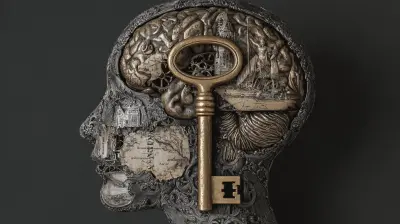
The Science of Motivation: What Great Leaders Understand
22 January 2026
Motivation is the fuel that drives human behavior. Whether it's in the workplace, personal growth, or achieving long-term goals, motivation is the magic ingredient that keeps people going. But what separates great leaders from the rest? They don’t just inspire people—they understand the science behind motivation and know how to ignite it effectively.
In this article, we’ll dive into the psychology of motivation, break down its key components, and see how great leaders use this knowledge to bring out the best in others.
Understanding Motivation: The Brain’s Reward System
At the core of motivation lies the brain’s reward system, primarily driven by dopamine. This neurotransmitter plays a significant role in how we perceive rewards and pleasure. When we achieve something—even something small—our brain releases dopamine, making us feel good and encouraging us to repeat the behavior.Great leaders recognize this mechanism and use it to keep individuals and teams engaged. They set achievable milestones and celebrate progress, ensuring that the dopamine-driven reward system stays active.

The Two Main Types of Motivation
Motivation can be broadly divided into two categories:1. Intrinsic Motivation
This is the type of motivation that comes from within. It’s when people do something because they genuinely enjoy it, find it meaningful, or feel a sense of personal satisfaction. Passion, curiosity, and mastery are all driven by intrinsic motivation.Example: A writer who enjoys storytelling doesn’t need external rewards to keep writing—they do it because they love it.
2. Extrinsic Motivation
External factors like money, recognition, and rewards influence extrinsic motivation. While it can be effective in driving behavior, it’s often temporary. If the external rewards disappear, so does the motivation.Example: An employee who works hard only to receive a bonus may lose motivation once the rewards stop coming.
What Great Leaders Understand
The best leaders know that both types of motivation are important. They balance intrinsic and extrinsic motivators to create a work environment that fosters long-term engagement.
The Power of Purpose in Motivation
People are more motivated when they see meaning in what they do. A paycheck may keep someone working, but a sense of purpose keeps them invested.How Leaders Use Purpose to Drive Motivation
- They connect tasks to a bigger mission. When employees understand how their work contributes to a larger goal, they feel more engaged.- They highlight impact. Leaders showcase how an individual’s contributions make a real difference—whether to the company, clients, or society.
- They lead with vision. A strong vision gives people something to strive for, making their work feel more significant.
A company like Tesla, for instance, doesn’t just sell cars—it promotes sustainability and innovation, attracting employees who believe in its mission.

The Role of Autonomy in Motivation
No one likes feeling micromanaged. Research shows that when people have a sense of control over their work, they are more motivated and productive.How Great Leaders Encourage Autonomy
- They trust their team to make decisions.- They offer flexibility in how tasks are completed.
- They focus on outcomes rather than rigid processes.
When people feel empowered to make choices, they take greater ownership of their work, leading to higher motivation.
The Psychology of Goal-Setting
Setting clear and achievable goals is one of the most powerful ways to boost motivation. This concept is backed by Locke and Latham's Goal-Setting Theory, which suggests that specific and challenging goals lead to higher performance.How Leaders Set Effective Goals
- Make them specific. Vague goals like "do your best" are less effective than clear goals like "increase sales by 15% in three months."- Ensure they’re challenging but attainable. Goals that are too easy aren’t motivating, but overly difficult ones can lead to frustration.
- Encourage small wins. Breaking down large goals into smaller milestones creates a sense of progress and keeps motivation high.
The Influence of Positive Reinforcement
Behavioral psychology suggests that reinforcement plays a crucial role in motivation. B.F. Skinner’s research on operant conditioning showed that positively reinforcing behaviors makes them more likely to be repeated.How Great Leaders Use Positive Reinforcement
- They recognize achievements through praise, rewards, or even a simple thank-you.- They cultivate a culture of appreciation, where good performance is consistently acknowledged.
- They customize rewards, understanding that different people are motivated by different things (some may prefer public recognition, while others value personal development opportunities).
When people feel valued, they are naturally more motivated to contribute their best work.
How Emotional Intelligence Boosts Motivation
The best leaders don’t just understand motivation—they understand people. Emotional intelligence (EQ) plays a massive role in leadership success.EQ Skills That Top Leaders Master
- Empathy: They recognize what motivates each individual and tailor their approach accordingly.- Self-awareness: They manage their own emotions to set a positive example.
- Strong communication: They inspire through words and actions.
When people feel understood and supported, they are far more likely to stay motivated.
The Role of Environment in Motivation
A toxic work environment can drain even the most motivated individuals. Great leaders focus on creating a space where motivation thrives.How They Build a Motivating Environment
- Encouraging collaboration rather than competition.- Providing growth opportunities to keep people engaged.
- Fostering a sense of belonging, so employees feel like they’re part of something bigger.
A positive environment acts as a natural motivator, making people want to contribute rather than feeling forced to do so.
Motivation and The Power of Feedback
Feedback is a double-edged sword. Done right, it can be incredibly motivating. Done wrong, it can crush morale.How Great Leaders Give Motivating Feedback
- They keep it constructive. Instead of just pointing out mistakes, they focus on solutions.- They balance criticism with praise. Too much negative feedback can be demotivating, while consistent positive reinforcement fosters growth.
- They make it continuous. Regular feedback helps people stay on track and feel valued.
Proper feedback nurtures motivation instead of stifling it.
Conclusion
Motivation isn’t just about pushing people to work harder—it’s about understanding what drives them. Great leaders don’t rely on short-term tricks; they harness the psychology of motivation to create lasting engagement.By fostering purpose, autonomy, recognition, and emotional intelligence, leaders can inspire those around them—not just to perform, but to truly excel.
At the end of the day, people don’t just work for a paycheck. They work for meaning, growth, and a sense of belonging. Leaders who tap into these fundamental human desires don’t just create successful teams—they create passionate, highly motivated individuals who thrive.
all images in this post were generated using AI tools
Category:
Psychology Of LeadershipAuthor:

Matilda Whitley
Discussion
rate this article
2 comments
Cambria Chavez
Insightful! Leadership thrives on understanding motivation.
February 14, 2026 at 5:35 PM
Matilda Whitley
Thank you! Understanding motivation truly is key to effective leadership.
Rayna McClure
This article brilliantly highlights the intricate relationship between psychology and leadership. Understanding the science of motivation is crucial for effective leadership. By exploring what drives individuals, great leaders can inspire teams, foster engagement, and unlock potential. A must-read for anyone looking to enhance their leadership skills!
January 23, 2026 at 4:01 AM
Matilda Whitley
Thank you for your thoughtful comment! I'm glad you found the article insightful. Understanding motivation is indeed key to effective leadership.