The Recency Effect: Why We Remember the Last Thing We Heard
10 June 2026
Ever walked out of a meeting, barely remembering the first few things that were said—but can recall the last sentence word for word? Or maybe you're watching a talent show, and the last performer seems to blow the others out of the water even though they weren’t actually that much better. Sound familiar?
That’s the recency effect in action.
The human mind is a curious and quirky machine. One of its most fascinating features is how it remembers information—especially how it tends to give special treatment to the stuff we hear or see last. In this article, we’re diving deep into the recency effect, why it happens, how it plays out in everyday life, and what it means for everything from your study habits to your favorite Netflix binge.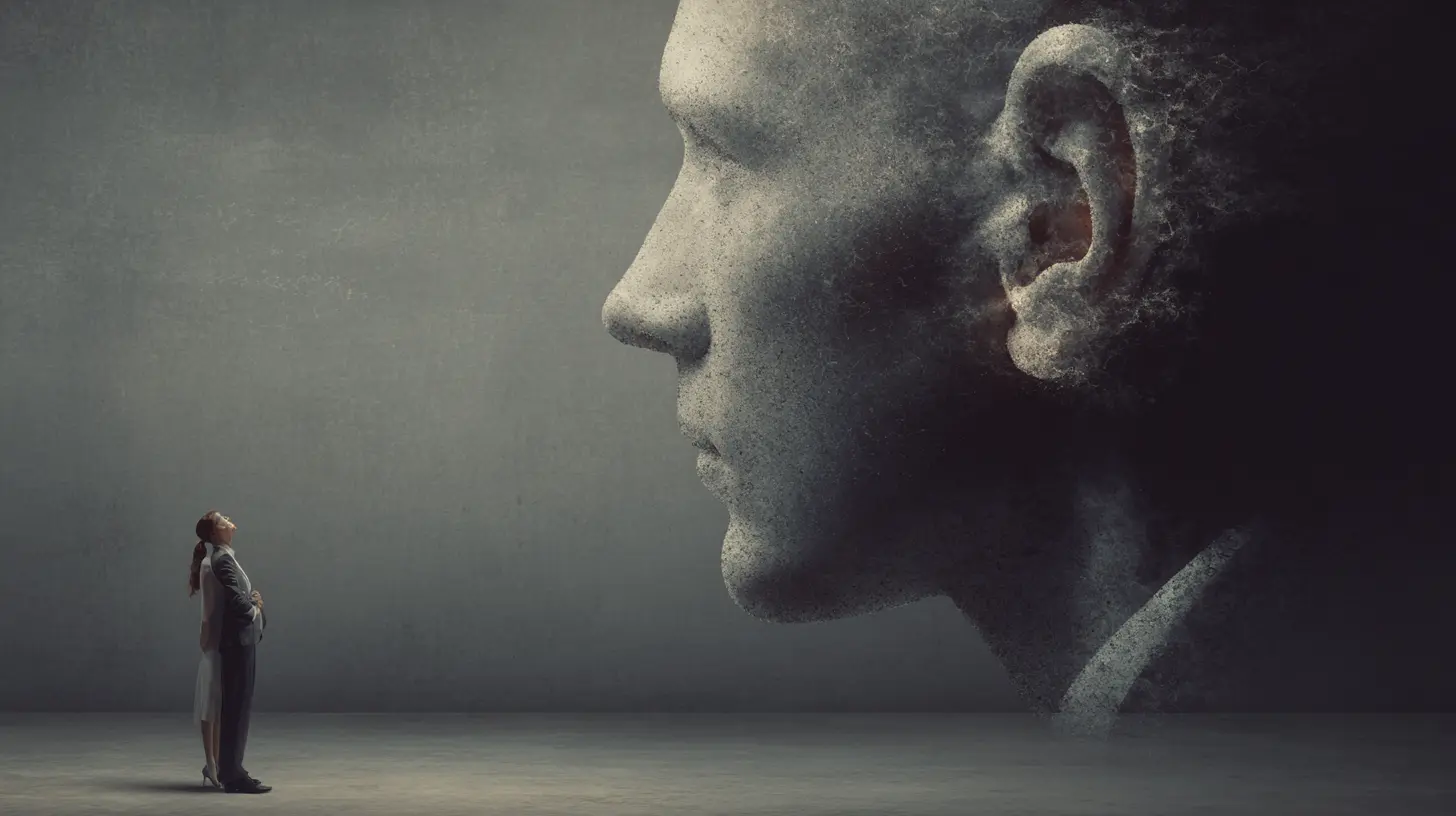
What Is the Recency Effect?
In simple terms, the recency effect is a cognitive bias where people better recall the last items in a list or the most recent information presented. Think of it like your brain leaving a sticky note on the last thing it processed.This psychological concept is part of the serial position effect, which was first introduced by psychologist Hermann Ebbinghaus and later expanded by others like Alfred Binet and B.F. Murdock. Basically, when we’re given a bunch of information, we tend to remember the first few items (primacy effect) and the last few items (recency effect), while the stuff in the middle gets a little fuzzy.
Why Does the Recency Effect Happen?
Alright, here's the science-y bit—but don't worry, we’ll keep it simple. The recency effect happens largely because of short-term memory.When you hear something, like a list of names or some instructions, your brain parks the last bit of that data in your short-term memory. Since it was recent, you haven’t had time to forget it yet or replace it with something new. Makes sense, right?
Also, since our short-term memory only holds information briefly (anywhere from 15 to 30 seconds), the last pieces of info stick the most—at least until we’re distracted or introduced to something new.
The Recency Effect In Action
1. In Conversations
Thinking back on a heated argument or debate, what do you remember most? Probably the last thing the other person said—especially if it was powerful, emotional, or provocative. That moment lingers because of the recency effect.Similarly, in job interviews or first dates, the last impression can be just as impactful as the first. That final handshake, compliment, or awkward pause? Yeah, it sticks.
2. In Marketing
Marketers and advertisers are pros at using the recency effect without us even realizing it. Ever noticed how TV ads and YouTube videos end with a catchy slogan or call to action?“Just do it.”
“Because you’re worth it.”
“Call now!”
They know you’re more likely to remember what’s said last, which is exactly why it's the punchline or closing message that gets the most attention.
3. In Studying and Learning
If you’ve ever crammed for a test and realized you only remember the stuff you read last, congratulations—you’ve felt the recency effect firsthand.Students who break their study time into chunks and review the most important info last often retain it better. That’s why tools like flashcards or summarizing notes right before bed are so powerful.
4. In Presentations and Public Speaking
Here’s a secret for all you aspiring public speakers: your closing line can make or break your entire talk. People often leave remembering how you ended more than what you said at the beginning or middle.This is why famous speeches and TED Talks often close with a strong takeaway, story, or emotional appeal—it’s the part your audience will carry with them.
Does The Recency Effect Always Work?
Good question. Nope, it doesn’t.The recency effect is stronger under certain conditions and can fade if:
- There’s a long delay between receiving information and recalling it.
- There’s interference, like being distracted by new tasks right after.
- The information wasn’t meaningful or emotionally charged.
So while the brain prefers the last thing it hears, that preference can wear off. That’s why if you want to make that last bit stick, you’ve got to make it count—add meaning, emotion, or repetition to seal the deal.
Recency vs. Primacy Effect
Let’s clear something up: recency is only half of a two-part memory effect.The primacy effect is basically the older sibling—it says we remember the first things we hear well because we’ve had more time to encode them into long-term memory. The recency effect is the younger one, tagging along because it’s still fresh in our short-term memory.
Both are important, but they fight for your brain’s spotlight. Depending on the situation, one might win out over the other.
For example:
- If you’re giving a sales pitch and want the listener to remember your offer right now, emphasize the last thing you say.
- But if you’re trying to make a lasting impression for the long haul, lead with your strongest point.
How to Harness the Recency Effect in Daily Life
Whether you’re a student, marketer, teacher, or just someone who likes remembering things better, you can use this nifty cognitive quirk to your advantage. Here’s how:1. End Strong
Whether it’s a conversation, keynote speech, blog post, or even an email—wrap it up with a bang. Leave people with that mic-drop moment. Your final words are the ones that echo.2. Use Chunking
Break your information into smaller parts and strategically place key points at the end of each chunk. This works wonders for memory retention.3. Repeat Important Info at the End
Trying to get someone to remember a phone number, appointment, or grocery item? Say it again at the end. Better yet, say it slowly and clearly—it increases the chances it’ll stick.4. Review Right Before Sleep
Here’s a neat trick: review the most important stuff you want to remember right before bed. The brain consolidates memories during sleep, and what you've just looked at could be high on its list.Real-Life Examples of the Recency Effect
Let’s get a little more practical. Here are a few times you’ve probably experienced the recency effect:- Job Interviews: You nailed the intro, stumbled in the middle, but made a confident closing pitch. The interviewer remembers the confident part.
- Movie Endings: You loved a movie with a killer ending but forgot about the slow first half.
- Customer Service Calls: You were on hold forever, but the rep at the end was so friendly, you forgot the frustration.
- Sales Demos: The rep ends the pitch with “And here’s the best part…” Bingo. That’s what sticks.
The Recency Effect in Psychology and Behavioral Studies
Psychologists have studied the recency effect for decades using various memory experiments.One common method is to read a list of words to participants and then ask them to recall as many as possible. Time after time, people remember the last few words more than the ones in the middle—especially if they’re asked to recall them immediately after hearing them.
This supports the theory that the last few items are still floating around your short-term memory and haven’t had time to fade or get replaced.
Fun fact? If you wait 30 minutes and then ask them to recall the same list, the recency effect typically vanishes. That’s why timing is everything when it comes to memory.
Can You Train Your Brain Against It?
Kinda. While you can’t totally override the recency effect (it’s just how our brains are wired), you can become more aware of it and compensate accordingly.For instance:
- When making decisions, remind yourself not to give too much weight to the last thing you heard or read.
- If you're evaluating multiple options (like job candidates or products), take a break and review the list in a random order.
- Be cautious of emotional bias. If an argument ends in a dramatic moment, try to recall the whole conversation—not just the finale.
Final Thoughts
The recency effect is one of those fascinating psychological quirks that most of us experience every day without even knowing it. It shapes our choices, our memories, and how we think about people, conversations, and events.By understanding how it works—and where it doesn't—we can better navigate our daily lives, improve communication, and even become a little smarter about how we learn and remember.
So next time you need someone to remember what you’re saying... save the best for last.
all images in this post were generated using AI tools
Category:
Psychological BiasAuthor:

Matilda Whitley
Discussion
rate this article
1 comments
Rachel Good
This is fascinating! It makes me wonder how the recency effect shapes our daily interactions and decision-making. More insights please...
June 18, 2026 at 3:32 AM
Matilda Whitley
I'm glad you found it fascinating! The recency effect definitely plays a big role in how we process information. It can influence everything from our conversations to our choices. I'll explore more on its impact in future posts. Thanks for your interest!