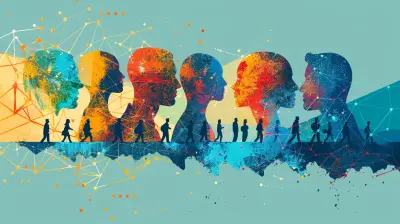
The Impact of Unconscious Biases on Leadership Effectiveness
2 March 2026
Ever wonder why some leaders seem to connect and succeed more than others, even when qualifications are similar? Well, there’s a hidden force at play—unconscious biases. These sneaky little mental shortcuts can have a huge impact on leadership effectiveness, and most of the time, we don’t even know they’re in the driver’s seat.
Let’s have a real talk about how unconscious biases shape team dynamics, decision-making, and overall leadership success.
What Are Unconscious Biases, Anyway?
Alright, let’s break it down. Unconscious biases are mental shortcuts—automatic judgments and stereotypes—that our brains cook up without us knowing. They come from our upbringing, culture, media, and past experiences. And trust me, no one’s immune to them.Think of your brain like a smartphone running too many apps in the background. These biases are like those sneaky apps—you may not notice them, but they’re draining your battery and affecting performance.
How Biases Show Up in Leadership
Now let’s get into the leadership part. Leaders are humans first, right? That means they’re just as susceptible to these hidden biases as anyone else. But the problem is, when a leader carries subconscious preference into meetings, hiring decisions, or conflict resolution, it impacts everyone under their wing.Let’s talk about how these biases actually show up:
1. In Hiring and Promotions
Have you noticed how “culture fit” often becomes code for hiring someone just like us? That’s unconscious bias talking.Leaders might unknowingly favor candidates who share their background, went to the same school, or even just look like them. It’s not always about discrimination—it’s often about “gut feeling.” But here’s the kicker: that gut feeling might be guided by a bias, not facts.
Example: A leader may assume someone over 50 isn't tech-savvy enough for a digital role—that’s age bias right there.
2. In Giving Feedback
Feedback is meant to help people grow. But when bias slips in, it can become a double-edged sword.Leaders may be harsher on certain employees or more lenient on others, based not on performance, but on subconscious beliefs about gender, race, or personality types. The worst part? The employee starts to feel it and may lose trust or motivation.
Real Talk: If someone isn’t getting the same support or recognition as their peers, you can bet bias is somewhere in the mix.
3. In Team Inclusion
Here’s where things get subtle but powerful. A leader might unconsciously include certain voices and dismiss others.For instance: A quiet woman of color in a meeting may be overlooked, even when she brings up goldmine ideas. Someone louder or more assertive—often fitting a stereotypical “leader” mold—gets more airtime. Sound familiar?
This leads to feelings of exclusion, resentment, and worst of all—missed opportunities.
Why Unconscious Bias Hurts Leadership Effectiveness
Let’s not sugarcoat it—bias doesn’t just bruise team morale. It breaks trust. And once trust is gone, good luck leading.1. It Undermines Fairness
People want to know they’re being treated fairly. When bias creeps in, fairness goes out the window. Team members can smell favoritism from a mile away, and it breeds resentment like wildfire.2. It Impacts Morale and Engagement
Let’s face it—no one wants to work in an environment where they feel unseen, overlooked, or underestimated. When leaders let biases fester, people disengage. Productivity drops. Creativity dries up. Innovation stalls.3. It Leads to Poor Decision-Making
Bias clouds judgment—plain and simple. Leaders may ignore valuable ideas because they come from unexpected sources or promote the wrong person because they “seem like a leader.” That kind of thinking hurts business and breaks teams.
Common Types of Unconscious Bias in Leadership
Let’s call them out. Here are some of the most common biases that show up in leadership:- Affinity Bias – Favoring people who are similar to us.
- Confirmation Bias – Only noticing info that supports our existing beliefs.
- Gender Bias – Assuming certain roles or behaviors based on gender.
- Racial Bias – Making snap judgments based on someone’s ethnicity or skin color.
- Age Bias – Favoring younger or older employees unfairly.
- Halo Effect – Assuming someone good at one thing is good at everything.
- Attribution Bias – Attributing success to luck or failure to personal shortcomings based on stereotypes.
Recognize any of these in your own thinking? That’s okay. The first step is awareness.
The Ripple Effect on Teams
Unconscious bias doesn’t just affect how leaders lead—it changes what happens next.1. Culture Becomes Toxic
When bias goes unchecked, culture shifts. Microaggressions, exclusion, favoritism—they all contribute to a toxic work environment. And guess what? Talented employees start walking straight out the door.2. Talent Isn’t Developed
Biases often blind leaders to potential. That means rising stars who don’t “fit the mold” get passed over. Meanwhile, those who do—but maybe aren’t as capable—get all the breaks. That's not leadership. That’s inequality hiding behind a smile.3. Innovation Takes a Hit
Diverse teams are more innovative—period. But only when they’re led by someone who values every voice at the table. Bias keeps ideas locked away, never seeing the light of day. That’s money left on the table.So… Can Leaders Overcome Their Biases?
Absolutely. But it takes work. And humility. And a whole lot of awareness.1. Self-Reflection Is Key
You can’t fix what you won’t face. Real leaders look in the mirror and ask: “What assumptions am I making without realizing it?”Journals, feedback, and even personality tests can shed light on blind spots. It’s not easy—but it's the starting line.
2. Encourage Diverse Feedback
Want to really grow? Ask people unlike you how they experience your leadership. You might hear uncomfortable truths—but they’ll make you better.3. Embrace Bias Training (The Right Kind)
Not all bias training is created equal. The good ones go beyond lectures and dive into real-world scenarios, role-playing, and ongoing dialogue. When done right, it changes mindsets—not just behaviors.4. Standardize Decisions
Remove as much subjectivity as you can. Use structured interviews, performance metrics, and clear criteria for promotions. That way, your “gut” doesn’t get to call all the shots.5. Champion Inclusivity
Make it your mission to lift up underrepresented voices. That means amplifying ideas in meetings, mentoring diverse talent, and making space where everyone feels safe to be themselves.The Leadership Legacy You Leave
The impact of unconscious bias isn’t light. It shapes the teams we build, the culture we create, and the legacy we leave behind.But here's the kicker: biased leadership isn’t just ineffective—it’s forgettable.
Great leaders—memorable ones—do the work to see their blind spots. They question their instincts. They build bridges instead of walls. And over time? They foster teams where trust is strong, diversity is valued, and everyone can thrive.
Because leadership isn’t about being right all the time. It’s about getting better, together.
Final Thoughts
Let’s be real—bias is tricky. It’s not always obvious, and it never fully goes away. But the good news? Every leader has the power to recognize it, challenge it, and grow beyond it.Being a great leader isn’t about perfection. It’s about progress. So next time you find yourself making a gut call, pause and ask: “Is this me—or my bias talking?”
It might just change everything.
all images in this post were generated using AI tools
Category:
Psychology Of LeadershipAuthor:

Matilda Whitley
Discussion
rate this article
2 comments
Lacey McKittrick
Great article! It’s fascinating how understanding our unconscious biases can transform leadership. Embracing this awareness not only boosts effectiveness but also fosters a more inclusive and vibrant workplace. Keep shining!
March 17, 2026 at 3:24 AM
Matilda Whitley
Thank you for your kind words! I'm glad you found the article insightful. Embracing awareness of unconscious biases is indeed key to effective and inclusive leadership.
Zylith Parker
This article effectively highlights how unconscious biases can subtly influence leadership effectiveness. By raising awareness of these biases, leaders can cultivate a more inclusive environment, ultimately enhancing decision-making and team dynamics. A deeper understanding is essential for effective leadership.
March 13, 2026 at 3:29 PM
Matilda Whitley
Thank you for your insightful comment! I'm glad you found the article's focus on raising awareness of unconscious biases and their impact on leadership effectiveness valuable. Promoting inclusivity is indeed vital for better decision-making and team dynamics.