Psychosomatic Medicine: Bridging Mental and Physical Health
14 December 2025
We’ve all heard the phrase, “It’s all in your head.” While this might sound dismissive, it actually holds more truth than you might expect—especially when it comes to psychosomatic medicine. Often, our minds and bodies are so intertwined that what affects one can profoundly influence the other. But what exactly is psychosomatic medicine, and how does it help us understand the link between mental and physical health?
Let’s dive in and explore the fascinating world of psychosomatic medicine, where the lines between psychological and physical conditions blur, revealing the true interconnectedness of our bodies and minds.
What Is Psychosomatic Medicine?
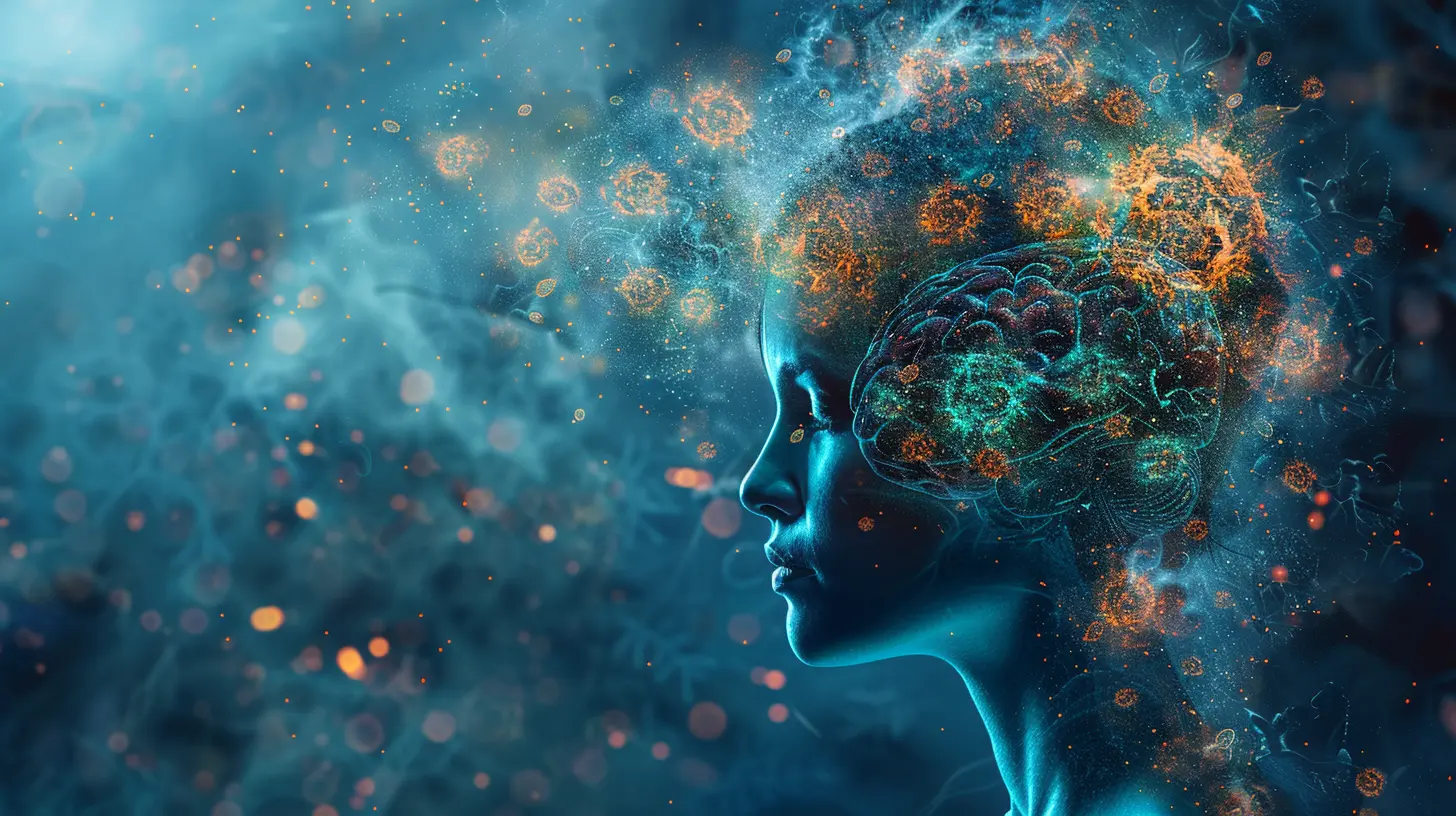
At its core, psychosomatic medicine is a branch of medicine that focuses on the relationship between psychological factors and physical health. The term "psychosomatic" comes from the Greek words "psyche," meaning mind, and "soma," meaning body. So, psychosomatic medicine essentially refers to the impact of the mind on the body.The idea is simple: stress, anxiety, depression, and other mental health issues can manifest physically. Think of it like this—when you’re nervous, your palms might sweat, your heart races, or you feel butterflies in your stomach. These are just small examples of how your emotions can trigger real, physical responses in your body.
But psychosomatic conditions go beyond momentary discomfort. In some cases, stress or emotional turmoil can lead to chronic health problems—things like high blood pressure, stomach ulcers, or even heart disease. Psychosomatic medicine aims to address these issues by treating both the mental and physical aspects of the condition.
The Mind-Body Connection
So, how exactly does the mind affect the body?The answer lies in the complex communication between the brain and the rest of the body. The brain uses a variety of pathways, including the nervous system, hormones, and immune responses, to communicate with different organs and tissues. This means that when you experience emotional stress, your brain can send signals that trigger physical reactions throughout your body.
For example, when you're stressed, your body releases cortisol—a hormone that prepares you to deal with a threat. While this stress response can be helpful in short bursts (like when you need to run away from danger), chronic stress can keep your body in a constant state of high alert. Over time, this can take a toll on your health, contributing to conditions like high blood pressure, digestive issues, and immune system suppression.
In psychosomatic medicine, the focus is on understanding how these mental states impact physical health and vice versa. It’s a true interdisciplinary approach that blends psychology, psychiatry, and traditional medical treatments.

Common Psychosomatic Disorders
Psychosomatic disorders can vary widely, and they often mimic other physical illnesses. What makes them unique is that while the symptoms are very real, there’s no identifiable physical cause—meaning the root of the problem is psychological.Here are a few common psychosomatic conditions:
1. Chronic Pain
Ever had pain that just won’t go away, even though doctors can’t seem to find anything wrong with you? Chronic pain, especially back pain, is a common psychosomatic condition. Stress, anxiety, and unresolved emotional issues can lead to muscle tension and pain that persists for months or even years.2. Irritable Bowel Syndrome (IBS)
IBS is a gastrointestinal disorder that’s often linked to stress and anxiety. People with IBS may experience symptoms like abdominal pain, bloating, and diarrhea, but no physical cause can be found. Stress, depression, and anxiety are often contributing factors to the condition.3. Hypertension
High blood pressure is often linked to stress. While diet and genetics play a role, emotional factors like chronic stress, anxiety, and unresolved anger can exacerbate the condition. In psychosomatic medicine, addressing the psychological triggers is just as important as medical treatments like medication.4. Headaches and Migraines
Tension headaches and migraines are often triggered by emotional stress. People who deal with chronic stress or anxiety are more prone to suffering from recurring headaches, which can be debilitating.5. Skin Disorders
Conditions like eczema, psoriasis, and hives can sometimes have a psychosomatic component. Emotional distress can exacerbate these skin conditions, leading to flare-ups during periods of stress or anxiety.6. Cardiovascular Issues
Stress has long been associated with heart disease. When you’re constantly stressed, your heart rate increases, your blood pressure rises, and your body remains in a heightened state of alert. Over time, this can lead to serious heart conditions like coronary artery disease.
How Psychosomatic Medicine Treats the Whole Person
The beauty of psychosomatic medicine is that it doesn’t treat the body and mind as separate entities. Instead, it views the person as a whole, recognizing that mental and physical health are deeply interconnected.1. Integrated Care
In psychosomatic medicine, treatment often involves a multidisciplinary team. You might see a doctor, a psychologist, a psychiatrist, and even a physical therapist—all working together to address both the physical and mental aspects of your condition.For example, someone suffering from chronic pain might benefit from a combination of pain medication, cognitive-behavioral therapy (CBT), and physical therapy. The medication would help manage the physical pain, while CBT would address the emotional stress contributing to the condition.
2. Cognitive-Behavioral Therapy (CBT)
CBT is a common psychological treatment used in psychosomatic medicine. It helps patients recognize and change negative thought patterns that contribute to physical symptoms. For example, someone with IBS might learn to challenge catastrophic thoughts about their condition, reducing stress and, in turn, alleviating some of their symptoms.3. Mindfulness and Relaxation Techniques
Mindfulness, meditation, and relaxation techniques like deep breathing exercises are often used to help patients manage stress and reduce physical symptoms. These strategies can help calm the nervous system, lowering cortisol levels and promoting a sense of relaxation.4. Medications
Sometimes, medications like antidepressants or anti-anxiety drugs are prescribed to help manage the emotional aspects of psychosomatic disorders. These medications can help balance brain chemicals, reducing the intensity of emotional responses and, in turn, alleviating physical symptoms.5. Lifestyle Changes
Diet, exercise, and sleep all play critical roles in both mental and physical health. A psychosomatic approach to treatment often includes recommendations for lifestyle changes that support overall well-being. For example, regular exercise can help reduce anxiety and improve mood, while a healthy diet can support digestion and reduce inflammation.
The Stigma Around Psychosomatic Disorders
One of the biggest challenges in psychosomatic medicine is the stigma associated with these conditions. Many people feel like their symptoms aren’t taken seriously because there’s no clear physical cause. Being told that your illness is “in your head” can feel dismissive and invalidating.But it’s important to understand that psychosomatic disorders are real. The physical symptoms are not imagined—they’re just triggered by emotional or psychological factors rather than a physical injury or disease. That doesn’t make them any less painful or debilitating.
By recognizing the mind-body connection and treating both aspects of a condition, psychosomatic medicine can offer real relief to people suffering from these disorders.
Why Psychosomatic Medicine Matters
The importance of psychosomatic medicine cannot be overstated. In a world where physical health often takes center stage, it reminds us that mental health is just as crucial. It challenges the traditional separation of mind and body, encouraging a more holistic approach to healthcare.Psychosomatic medicine not only improves our understanding of how emotional stress can lead to physical illness, but it also opens the door to more effective treatments. By addressing the root cause of a condition—whether it’s emotional, physical, or both—patients can experience more comprehensive, lasting relief.
Empowering Patients
One of the most empowering aspects of psychosomatic medicine is that it gives patients the tools to take control of their health. By learning to manage stress, recognize negative thought patterns, and adopt healthy lifestyle changes, patients can reduce the likelihood of psychosomatic conditions taking hold in the first place.
Conclusion
Psychosomatic medicine is a powerful reminder that our bodies and minds are deeply interconnected. It offers a fresh perspective on health, one that values the role of mental well-being in physical healing. By understanding the link between psychological and physical health, we can take a more holistic approach to treatment—one that addresses the whole person, not just the symptoms.So, next time someone says, “It’s all in your head,” remember that they might just be on to something. After all, a healthy mind is key to a healthy body.
all images in this post were generated using AI tools
Category:
Psychosomatic DisordersAuthor:

Matilda Whitley
Discussion
rate this article
2 comments
Zevonis Price
Great insights on the vital connection between mental and physical health!
December 23, 2025 at 6:03 AM
Matilda Whitley
Thank you! I’m glad you found the insights valuable.
Teagan Hayes
This article beautifully illustrates the vital connection between mental and physical health in psychosomatic medicine. By highlighting the interplay between emotions and bodily ailments, it encourages a holistic approach to treatment, emphasizing that addressing psychological factors can significantly enhance physical well-being and overall health outcomes.
December 18, 2025 at 4:53 PM
Matilda Whitley
Thank you for your insightful comment! I'm glad you found the article highlights the important connection between mental and physical health in psychosomatic medicine.