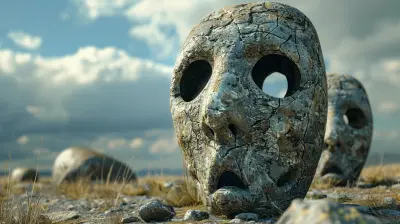
Status Quo Bias: Why We Resist Change Even When It's Beneficial
30 March 2026
Let’s face it—change is hard. Even when we know it’s good for us. Ever tried switching your morning routine, starting a new diet, or finally canceling that subscription you don’t use anymore but have been paying for the past two years? Yep, same here.
We often find ourselves clinging to what’s familiar, even if it’s not the best option. That strange resistance isn't just laziness or a lack of motivation—it’s something deeper, something hardwired into our brains. It’s called status quo bias, and it’s a powerful psychological force that shapes our decisions every single day.
But why do we do this? Why do we resist change, even when the alternative is clearly better? In this article, we’ll unpack status quo bias with a conversational tone, real-life examples, and a peek into the brain’s messy wiring.
What Is Status Quo Bias?
Let’s start with the basics. Status quo bias is a cognitive bias that causes people to prefer things to stay the same—or stick with a previous decision—over making a change.Psychologist William Samuelson and economist Richard Zeckhauser were among the first to name it back in 1988. Since then, it’s been observed in everything from retirement savings plans to politics to healthcare choices.
Put simply: we tend to stick with what we know—even when there's a better option knocking at our door.
Everyday Examples of Status Quo Bias
Before we get all scientific, let’s look at how this plays out in real life:- Still using Internet Explorer in 2024? Yikes. That’s status quo bias at work.
- Paying for Spotify Premium but only listening to podcasts? Classic case.
- Staying in a job that drains you because you’re "used to it"? That’s the bias creeping in.
We’re not lazy. We’re just hardwired to prefer the comfort of the familiar. It’s like choosing the worn-out hoodie over the crisp new sweater. The old one has holes, but hey, it’s cozy.
Why Does the Brain Love the Status Quo?
Our brains are wired for one thing: survival. Back in the caveman days, sticking with what worked could literally mean the difference between life and death.If a certain berry didn’t poison you yesterday, chances are it won’t today. If you survived the night in that same cave, better not go exploring for a new one. Your ancestors optimized for predictability and safety—not bold innovation.
This idea has evolved into what psychologists call loss aversion—the thought that losses hurt twice as much as gains feel good. Basically, we fear losing what we already have more than we desire gaining something new.
So sticking with the status quo isn't just about being comfortable. It’s about protecting ourselves from the possibility of regret, failure, or loss.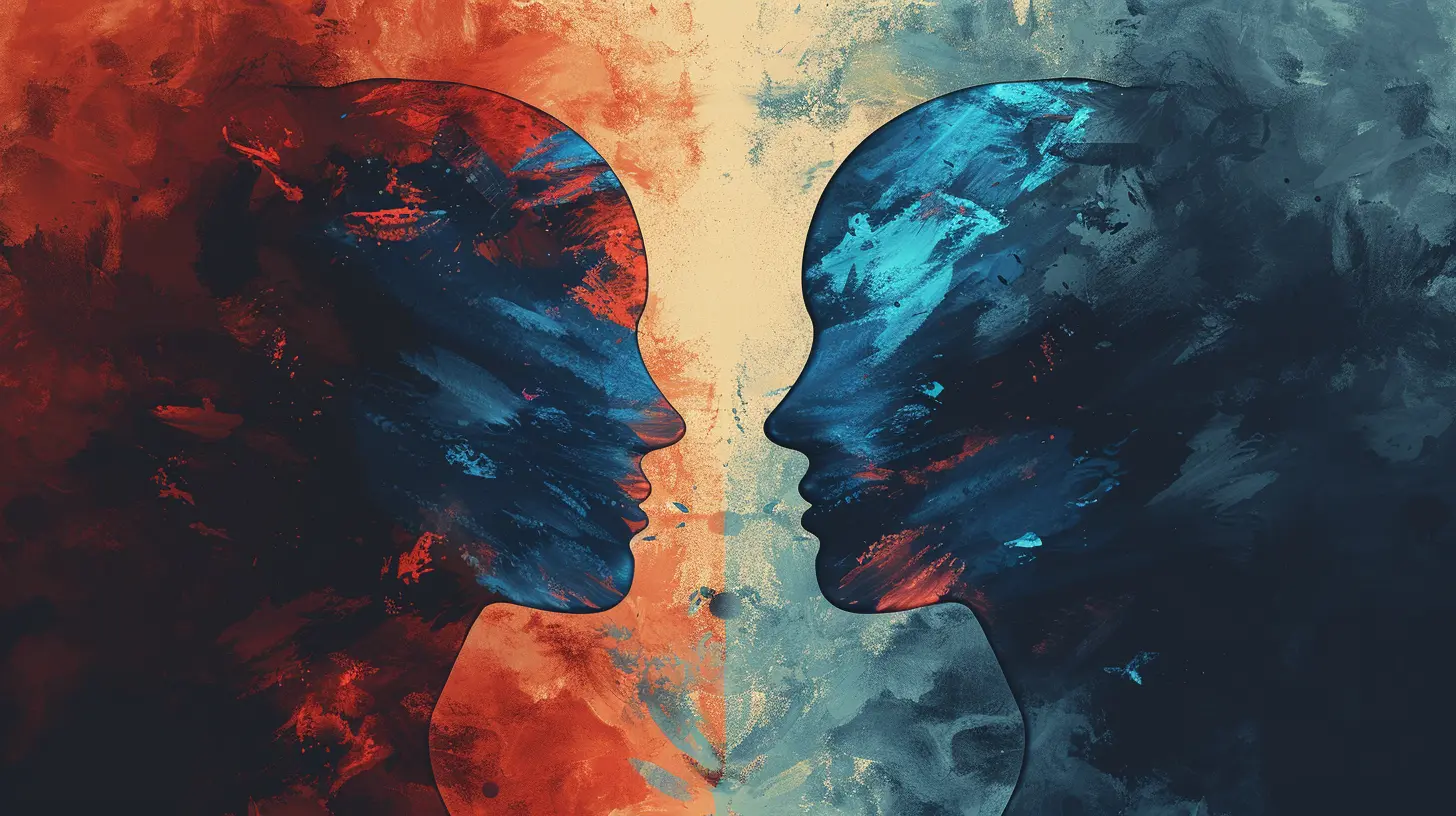
The Role of Fear and Uncertainty
Let’s say you’ve been offered a great job opportunity. More pay, shorter commute, cool team. But something is holding you back.That “something” is often fear of the unknown. Change brings uncertainty, and uncertainty triggers anxiety. Our brains love control and predictability—it’s soothing. Change? That’s chaos.
Even when the facts say “go for it,” our gut says, “eh, maybe stay put.” We convince ourselves the timing’s not right, or it’s too risky, or maybe it’s not that bad where we are.
Sound familiar?
Emotional Investment: When You've Been Doing It Forever
Imagine you’ve been in a relationship for years. It’s… okay. Not amazing, not terrible. But deep down, you know it’s not what you want.Why stay?
Because you’ve invested so much time and energy. The idea of walking away feels like all that effort will go to waste. That’s the sunk cost fallacy nudging the status quo bias into overdrive. Our emotions anchor us to routines, even uncomfortable ones, because starting fresh feels like admitting defeat.
Same goes for careers, friendships, gym memberships, and even binge-worthy Netflix shows we’re no longer enjoying.
How Marketers and Policy Makers Use Status Quo Bias
Ever wonder why marketers set “default” options for everything? Think automatic renewal and pre-selected packages.They know that most people stick with what’s already chosen for them. Changing the setting requires action—and action is uncomfortable. So we don’t change. That’s how companies keep us subscribed, enrolled, and occasionally overpaying.
Governments use it too.
For example, countries with automatic organ donor enrollment have significantly higher donor rates. Why? Because people rarely take the extra step to opt out. It’s not that they care less in other countries—it’s the status quo holding the wheel.
The Hidden Cost of Staying the Same
Sure, staying in familiar territory feels safe. But there’s a cost. Like…- Missing out on growth opportunities
- Staying stuck in unhappy situations
- Wasting time, money, and energy
- Resisting innovation
- Delaying decisions that could improve your life
In short, playing it too safe can keep us small.
Think about it: if Apple had decided to stick with the iPod forever, would we have the iPhone? Probably not.
How to Break Free From Status Quo Bias
Alright, so how do we overcome this pesky bias? You don’t need to throw your entire life into chaos—just start noticing when the bias is at play.1. Pause and Reflect
Ask yourself:- Am I choosing this because it’s the best option?
- Or am I choosing it because it’s the easiest option?
That little nudge of awareness can be a game-changer.
2. Make the Change Smaller
Big changes are scary. But what if you could break them into bite-sized chunks?Instead of switching careers overnight, try freelancing on the side. Instead of going vegan cold turkey, start with Meatless Mondays.
Small steps make change feel less intimidating—and way more doable.
3. Visualize the Benefits
Our brains focus more on what we could lose than what we could gain. Flip the script. Imagine your life after the change: happier, healthier, freer. Use that vision to fuel your motivation.4. Reframe Failure
Failure isn’t a full stop. It’s feedback.If a change doesn’t work out, it doesn’t mean you made the wrong choice—it means you’re learning. That’s growth, baby.
5. Set Deadlines for Decisions
Ever sat on a big decision for weeks, months… years?Set a deadline. Give yourself one week to gather info, talk to people, and make the choice. Otherwise, you’ll ride the analysis paralysis train straight back to the status quo station.
When the Status Quo Is Actually Good
Here’s the twist: sometimes the status quo is the right choice.If something is working well, there’s no need to change for the sake of change. But the key is to make that decision intentionally, not just because it’s easier or more familiar.
Choose the status quo when it serves you—not by default.
The Big Picture: Change Is a Skill
Here’s the real takeaway: embracing change isn’t about being fearless. It’s about being aware. Status quo bias is natural, but it doesn’t have to be permanent.Think of change like a muscle—the more you flex it, the stronger it gets.
You don’t have to leap into the unknown every day. But if you start noticing where you're stuck and take even the tiniest step toward something better, you’re already breaking the bias.
And that? That’s growth.
Final Thoughts
Status quo bias is sneaky. It hides behind “I’m fine” and “maybe later” and “better the devil you know.” But once you call it out and understand how it works, you can take back the driver’s seat.Change is uncomfortable, sure. But so is staying stuck.
Next time you're faced with a decision, ask yourself: “Am I choosing this because it’s right for me—or because it’s just the way I’ve always done things?”
That one question might just open the door to something amazing.
all images in this post were generated using AI tools
Category:
Psychological BiasAuthor:

Matilda Whitley
Discussion
rate this article
2 comments
Celine O'Brien
This article eloquently highlights our innate resistance to change, even when it serves our best interests. It's a compelling reminder that understanding our biases is the first step toward embracing growth and transformation in our lives.
April 3, 2026 at 4:46 AM
Matilda Whitley
Thank you for your thoughtful comment! It's true that recognizing our biases is key to fostering change and growth. Glad you found the article compelling.
Orionis McElhinney
Absolutely loved this article! It’s fascinating how our minds cling to the familiar, even when change can lead to greatness. Embracing new perspectives can truly transform our lives. Here’s to welcoming positive change! 🌟
March 31, 2026 at 4:53 AM
Matilda Whitley
Thank you for your insightful comment! Embracing change can indeed lead to incredible growth. Here's to new perspectives! 🌟