Phobias and the Brain: How Fear Alters Our Neural Pathways
2 July 2026
Fear is a natural survival mechanism that keeps us safe from danger. But what happens when fear goes rogue, turning into an irrational and overwhelming response? That’s where phobias come in. These intense fears can be life-altering, making daily activities feel like a nightmare. But have you ever wondered what’s happening inside your brain when a phobia takes control?
In this deep dive, we’ll unravel how phobias develop, how they impact our neural pathways, and why the brain seemingly betrays us by holding onto irrational fears.
Understanding Phobias: More Than Just Fear
Phobias are not just simple fears—they’re extreme, persistent, and often irrational. Unlike regular fear, which is a response to immediate danger, phobias can be triggered by things that pose little or no real threat. From spiders and heights to public speaking, these fears can dominate a person’s life.There are three main types of phobias:
1. Specific Phobias – Fear of particular objects or situations (e.g., snakes, heights, flying).
2. Social Phobia (Social Anxiety Disorder) – A deep fear of social interactions or being judged by others.
3. Agoraphobia – Fear of situations where escape might be difficult, such as crowded places or public transportation.
But why does the brain latch onto these fears so strongly? The answer lies deep in our neural pathways.
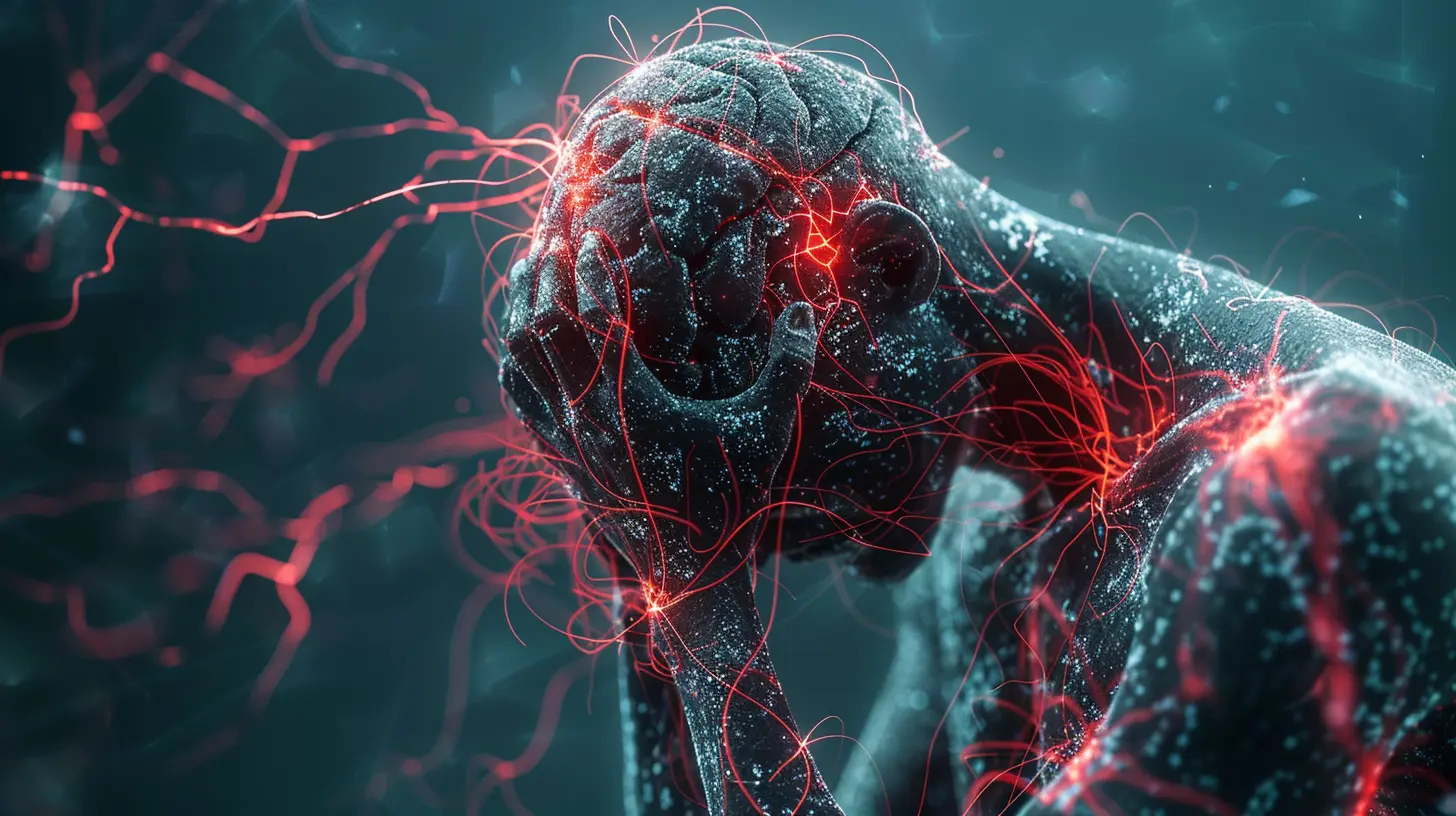
The Brain’s Role in Fear: A Tour of the Fear Circuit
Fear doesn’t just magically appear—it’s managed by specific parts of the brain. To understand how phobias work, let’s take a quick tour through the brain's fear circuit:1. The Amygdala: The Fear Center
The amygdala is a small, almond-shaped cluster buried deep within the brain’s temporal lobe. Think of it as your internal alarm system. It rapidly detects threats and triggers the "fight or flight" response. When you see a snake, for example, the amygdala instantly signals danger, prompting physical reactions like an increased heart rate and an adrenaline rush.In people with phobias, the amygdala is often hyperactive, overreacting to non-threatening stimuli. This heightened response explains why someone with arachnophobia might feel sheer terror even when looking at a tiny, harmless spider.
2. The Prefrontal Cortex: The Rational Brain
The prefrontal cortex (PFC) is the part of your brain responsible for reasoning and decision-making. Ideally, it should balance out the amygdala by assessing whether a fear response is reasonable.However, in phobic individuals, the PFC struggles to override the amygdala’s panic signals. Instead of calming down and recognizing there’s no real danger, the brain continues to stay in high-alert mode. This imbalance makes phobic reactions feel uncontrollable.
3. The Hippocampus: The Memory Keeper
The hippocampus plays a crucial role in storing memories, including those related to fear. For people with phobias, the hippocampus can reinforce fear by associating a specific stimulus with a traumatic or distressing experience. If someone had a terrifying experience with a dog as a child, the hippocampus might store that memory in a way that fuels a lifelong fear of dogs.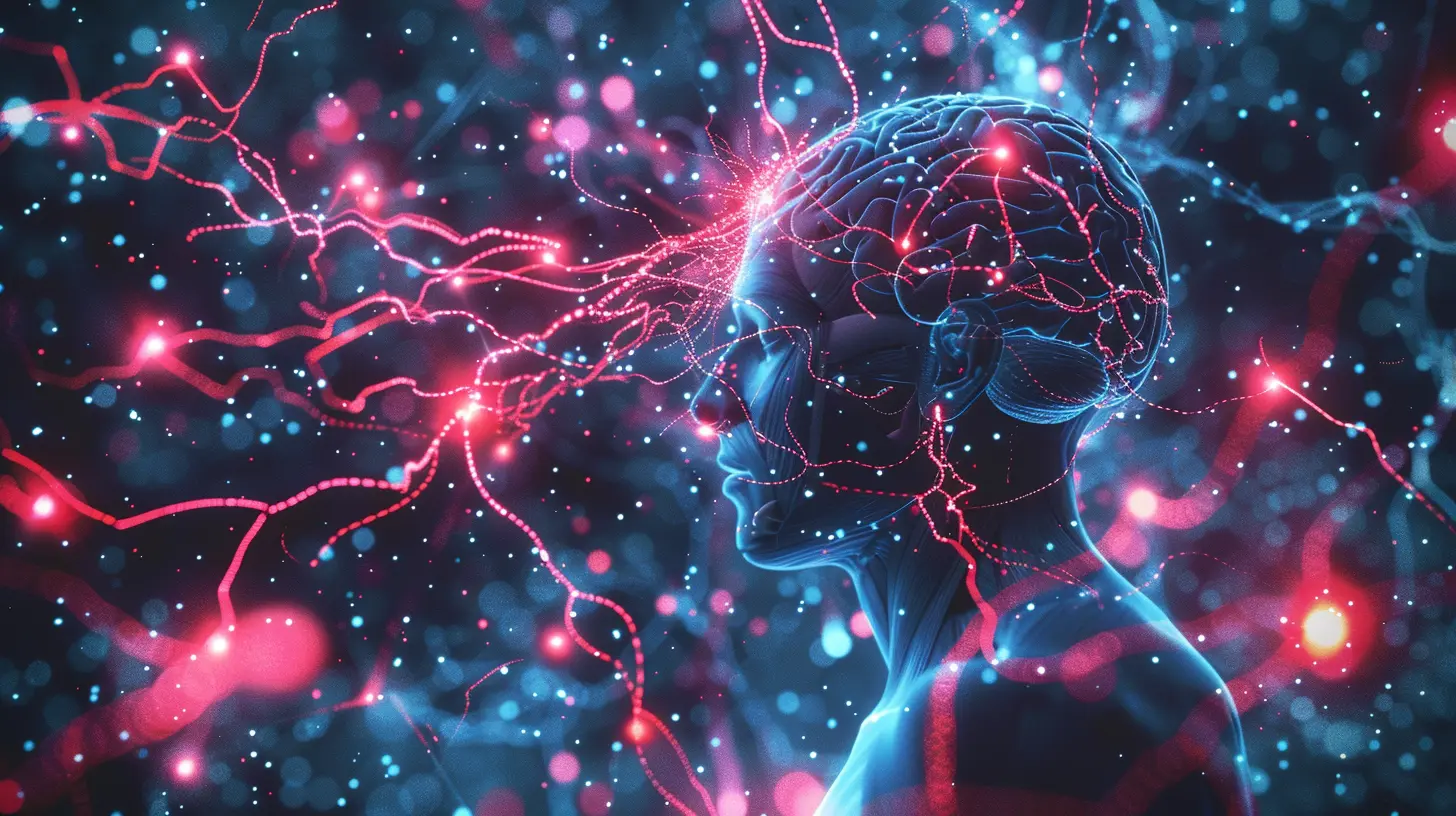
How Phobias Develop: The Science Behind Fear Conditioning
Phobias often develop through a process known as classical conditioning. Ever heard of Pavlov’s dogs? The same concept applies to fear.1. A Traumatic Event as a Trigger
Many phobias originate from a negative or traumatic experience. For example, if a child was bitten by a dog, their brain might start associating all dogs with danger. The next time they see a dog, their amygdala sounds the alarm, even if the dog is friendly.2. Observational Learning: Fear by Watching Others
You don’t always need firsthand experience to develop a phobia. If a child constantly sees a parent screaming at the sight of spiders, their brain may pick up on that fear and adopt it as its own. This is known as vicarious learning.3. Evolutionary Fear: Born to Be Scared?
Some phobias (like fear of snakes, spiders, or heights) may be hardwired into our brains as a survival instinct. Our ancestors who avoided dangerous creatures had a better chance of survival, so these fears may have been passed down through generations. While modern society has removed many of these threats, our brains haven’t quite caught up.
How Phobias Alter Neural Pathways
Phobias are more than just conditioned responses—they actually reshape the brain’s wiring. Here’s how:1. Strengthening the Fear Pathway
Each time a phobic person encounters a trigger and reacts with fear, the neural pathways linking the amygdala, hippocampus, and PFC become stronger. This is known as synaptic plasticity—the more a pathway is used, the stronger it becomes. Unfortunately, this means that avoiding fears only makes them worse in the long run.2. Weakening the Rational Pathway
In contrast, when fear dominates, the prefrontal cortex’s ability to reason with the amygdala weakens. Instead of thinking, “This is irrational,” the brain automatically jumps to panic mode. This is why logic rarely helps someone with a phobia—telling them “It's just a spider” does nothing because their brain is wired to react with fear.3. Overactive Stress Responses
Phobias also alter the way the brain deals with stress. The constant triggering of the hypothalamic-pituitary-adrenal (HPA) axis—a key stress-response system—leads to increased production of cortisol (the stress hormone). Over time, this can make the brain hypersensitive to fear, fueling anxiety disorders as well.Can Phobias Be Reversed? How the Brain Can Rewire Itself
The good news? The brain is plastic—meaning it can be rewired. This concept, known as neuroplasticity, allows people to overcome phobias with the right techniques.1. Exposure Therapy: Rewiring the Brain Slowly
Exposure therapy works by gradually introducing a person to their fear in a controlled environment, helping the brain form new, less fearful associations. Over time, the strengthened fear pathway weakens, while the rational PFC regains control.For instance, someone with a fear of spiders might start by looking at pictures of spiders, then watching videos, and eventually being in the same room with a small spider—each step reinforcing that the fear is unnecessary.
2. Cognitive Behavioral Therapy (CBT): Changing Thought Patterns
CBT helps phobic individuals reframe their thoughts. Instead of thinking, “I’m in danger,” they learn to challenge their fear response with more rational thoughts like, “I’m safe, and my fear is exaggerated.” This shifts neural pathways toward healthier processing.3. Medication and Brain Stimulation
In some cases, medications like beta-blockers or antidepressants can help regulate the overactive fear response. Additionally, emerging research on transcranial magnetic stimulation (TMS) suggests that directly stimulating specific brain areas could help reduce phobic reactions.
Final Thoughts: The Brain’s Love-Hate Relationship with Fear
Phobias may hijack our neural pathways, but they don’t have to control us forever. Understanding how fear reshapes the brain is the first step in reclaiming power over irrational fears. With the right approach—whether through therapy, gradual exposure, or cognitive training—the brain can unlearn fear just as easily as it learned it.So, the next time your brain tells you to panic at the sight of a spider or the thought of public speaking, remind yourself: it’s just faulty wiring that can be adjusted.
all images in this post were generated using AI tools
Category:
PhobiasAuthor:

Matilda Whitley
Discussion
rate this article
1 comments
Patricia Moore
Fear shapes our minds in intricate ways, carving paths that can lead to both avoidance and growth. Understanding phobias offers insight into our deepest vulnerabilities, reminding us that confronting fear is essential for healing and transformation.
July 10, 2026 at 4:26 PM
Matilda Whitley
That's a profound observation. Fear indeed plays a complex role in our lives, and understanding it can be a powerful step toward personal growth.