Cynophobia: Coping With the Fear of Dogs
13 March 2026
Dogs are often called "man's best friend," but for some people, the sight of a dog—even a small, friendly one—triggers intense fear and anxiety. If that sounds like you, you're not alone. Cynophobia, or the fear of dogs, is a real and often overwhelming phobia that affects many people around the world.
But here's the good news: fear doesn’t have to control your life. With the right approach, you can manage and even overcome your fear of dogs. In this guide, we'll dive deep into what causes cynophobia, how it impacts daily life, and practical steps to help you cope with and conquer this fear for good. 
What Is Cynophobia?
Cynophobia is the excessive and irrational fear of dogs. It falls under the category of specific phobias, which are intense fears related to particular objects or situations. Unlike a general dislike or discomfort around dogs, cynophobia triggers severe anxiety, even if the dog in question poses no actual threat.Symptoms of Cynophobia
People with cynophobia may experience a range of physical and emotional reactions when they see or even think about dogs. Some of the most common symptoms include:- Rapid heartbeat and sweating
- Shaking or trembling
- Shortness of breath
- Panic attacks
- Avoidance of places where dogs might be present
- Feeling trapped, helpless, or out of control
For some, just seeing a picture or hearing a dog bark from a distance can cause distress. This fear can make everyday activities—like walking in the park or visiting a friend's house—stressful experiences. 
What Causes Cynophobia?
Phobias don’t just appear out of nowhere. There’s usually an underlying reason behind them. While cynophobia can develop for various reasons, here are some of the most common causes:1. Traumatic Experiences
A past negative experience with dogs—such as being chased, bitten, or even just startled—can create a strong association between dogs and fear. The brain learns to associate dogs with danger, making the fear persist over time.2. Parental Influence
Children often absorb fears from their parents or caregivers. If you grew up around someone who was terrified of dogs, you might have unconsciously picked up the same fear.3. Lack of Exposure
People who haven’t been around dogs much, especially during childhood, may feel uneasy or fearful when encountering them later in life. The unknown can be scary!4. Underlying Anxiety Disorders
Cynophobia can sometimes be linked to generalized anxiety or other phobias. If someone is prone to excessive worrying, they may develop intense fears, including a fear of dogs.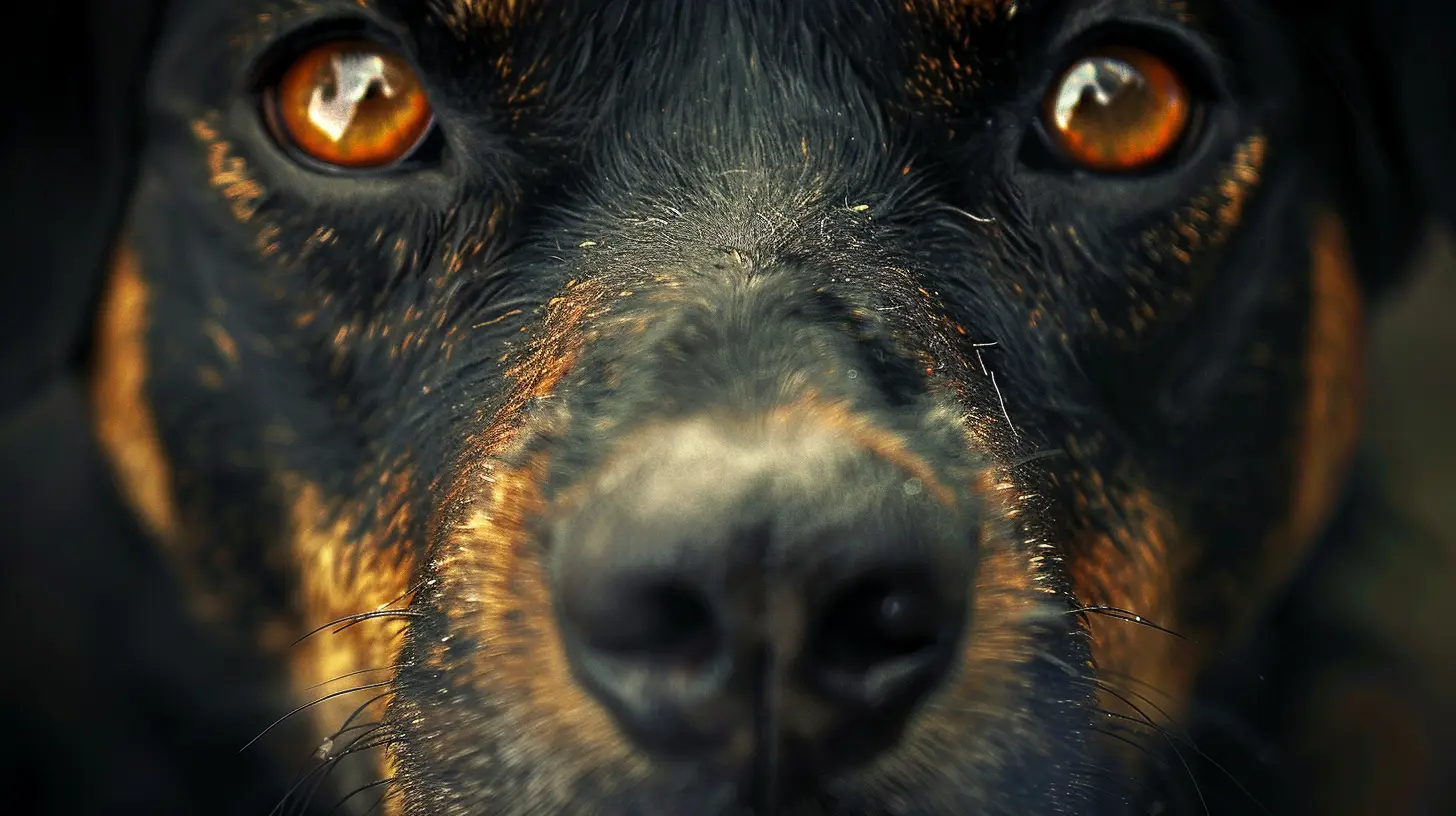
How Cynophobia Affects Daily Life
Having a fear of dogs can interfere with day-to-day life in unexpected ways. Here are just a few ways cynophobia can limit someone:- Avoiding public parks or outdoor spaces where dogs are likely to be present
- Refusing invitations to homes where dogs live
- Crossing the street to avoid passing someone walking a dog
- Feeling anxious when hearing a dog bark or seeing one from a distance
While some phobias rarely impact daily life, cynophobia can be a constant source of stress, especially in dog-friendly neighborhoods. So, what can you do about it? 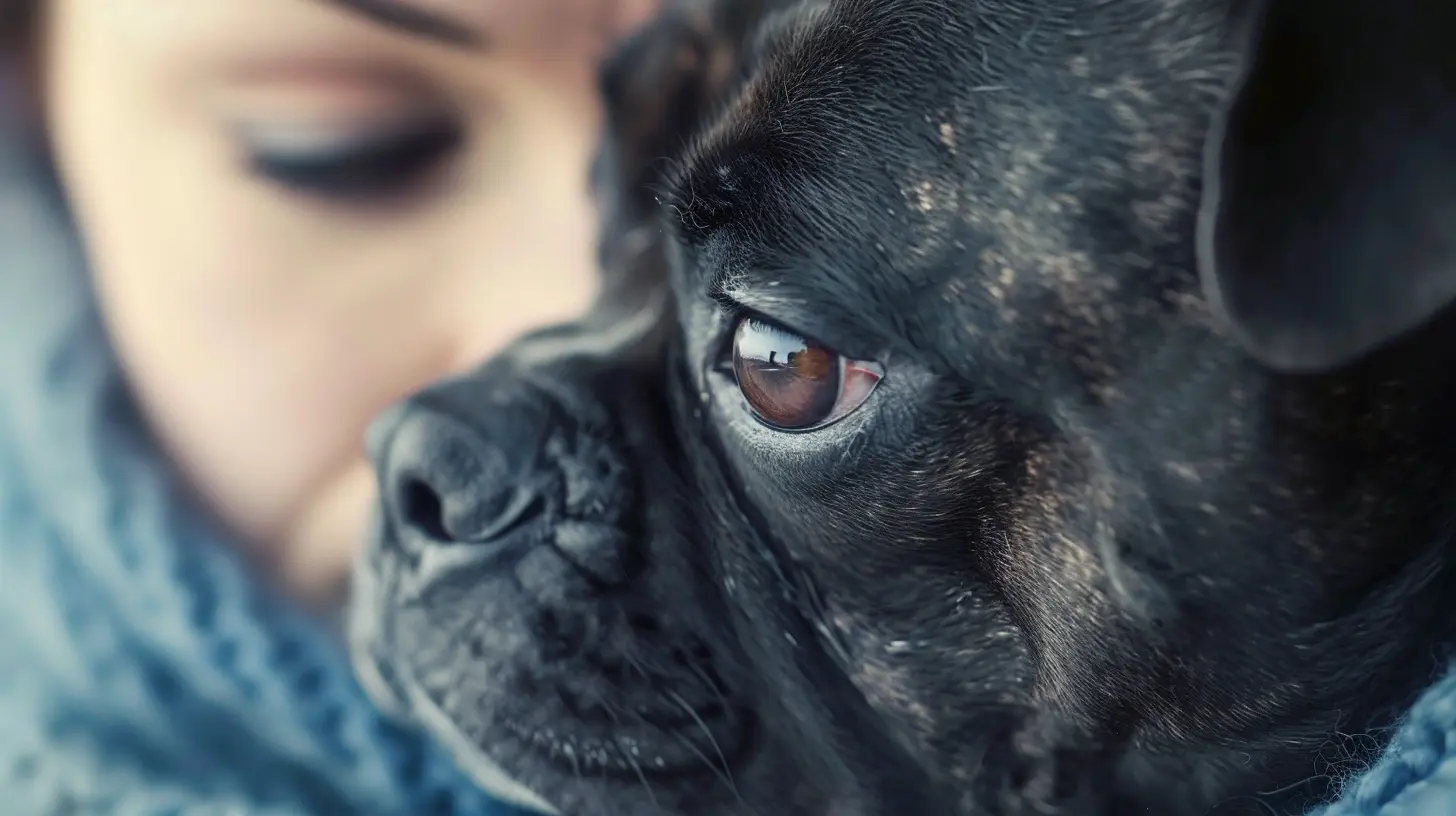
How to Cope With the Fear of Dogs
Overcoming cynophobia takes patience and effort, but it is possible. Here are some steps to help you face your fear and build confidence around dogs.1. Acknowledge Your Fear (Without Shame!)
First things first—don’t beat yourself up for being afraid! Fears are deeply ingrained, and cynophobia is nothing to be embarrassed about. Recognizing and accepting your fear is the first step toward overcoming it.2. Gradual Exposure Therapy
One of the most effective ways to conquer any phobia is through gradual exposure. The idea is to slowly increase your comfort level around dogs without overwhelming yourself.Start with the least intimidating step and work your way up:
- Look at pictures of dogs.
- Watch videos of calm, friendly dogs.
- Observe a dog from a safe distance, like across the street.
- Stand closer to a leashed dog while someone else controls it.
- Eventually, try petting or interacting with a calm, well-trained dog.
3. Educate Yourself About Dogs
Fear often comes from misunderstanding. By learning about dog behavior, you'll realize that most dogs are not out to harm you.For example:
- A dog wagging its tail usually means excitement, not aggression.
- Most dogs bark out of excitement or curiosity, not because they want to attack.
- If you remain calm around a dog, it is more likely to stay calm too.
Knowledge is power, and understanding dog behavior can help remove the unpredictability that fuels your fear.
4. Practice Relaxation Techniques
When you feel anxious around dogs, your body goes into "fight or flight" mode. To counter this, practice relaxation techniques like:- Deep breathing (inhale for four seconds, hold for four seconds, exhale for four seconds)
- Progressive muscle relaxation (tensing and then relaxing each muscle group)
- Visualization (imagining yourself remaining calm and safe around dogs)
By calming your body, you can prevent fear from taking over your decisions.
5. Seek Professional Help
If cynophobia is severely affecting your daily life, speaking to a therapist can be incredibly helpful. Cognitive Behavioral Therapy (CBT), exposure therapy, and even hypnotherapy have proven effective in treating phobias.A therapist can guide you through your fears in a controlled environment, helping you retrain your brain to respond more calmly to dogs.
6. Consider a Support Dog Program
Ironically, some people with cynophobia find that interacting with trained therapy dogs helps them overcome their fears. These dogs are specifically trained to be calm and patient, making them ideal for reducing anxiety in fearful individuals.Final Thoughts
Cynophobia may feel overwhelming, but it doesn’t have to rule your life. By slowly exposing yourself to dogs, learning how they behave, and practicing relaxation techniques, you can gradually reduce your fear.Remember, change takes time. Be patient with yourself, celebrate small victories, and, most importantly, know that you’re not alone in this journey. A world where dogs no longer make you feel uneasy is possible—you just have to take the first step!
all images in this post were generated using AI tools
Category:
PhobiasAuthor:

Matilda Whitley
Discussion
rate this article
2 comments
Noelle Barron
Fear of dogs? Just remember: they’re more likely to steal your sandwich than your sanity! Time to turn that bark into a wag!
March 21, 2026 at 4:38 PM
Matilda Whitley
Thank you for the uplifting reminder! Embracing a positive perspective can really help in overcoming cynophobia.
Dior Torres
Thank you for this insightful article on cynophobia. It's incredibly helpful for those struggling with this fear, offering valuable coping strategies and understanding. Great work!
March 14, 2026 at 5:46 AM
Matilda Whitley
Thank you for your kind words! I'm glad you found the article helpful.