How to Use Visualization Techniques to Cope with Stress
24 April 2026
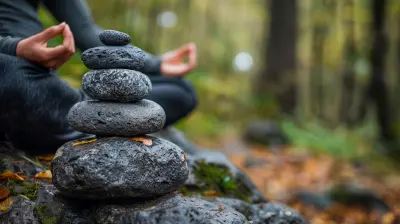
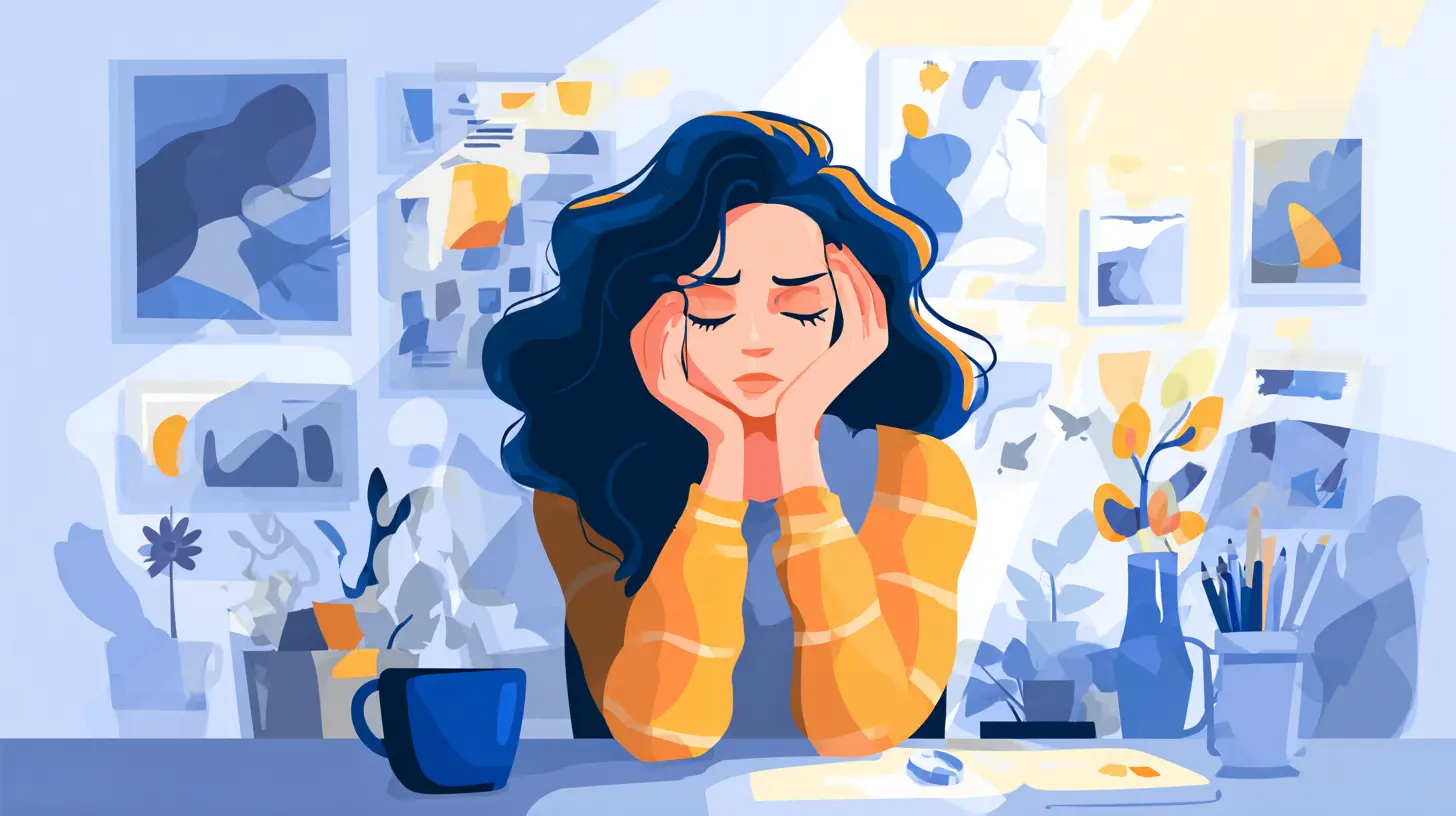
Ever felt like your brain’s running a marathon while your body is just trying to sit still at your desk? Yep, that’s stress. And let me tell you, it’s not just in your head — though ironically, that’s also where the solution can begin. Visualization techniques are like a mental vacation that can help you chill out, reset, and come back ready to tackle whatever life throws your way.
In this guide, we’re diving deep into how to use visualization techniques to cope with stress — in a way that's actually helpful, easy to follow, and, dare I say, enjoyable. You don’t need any fancy equipment, apps, or years of meditation experience. Just you, your imagination, and a few minutes of your time.
What Is Visualization, Anyway?
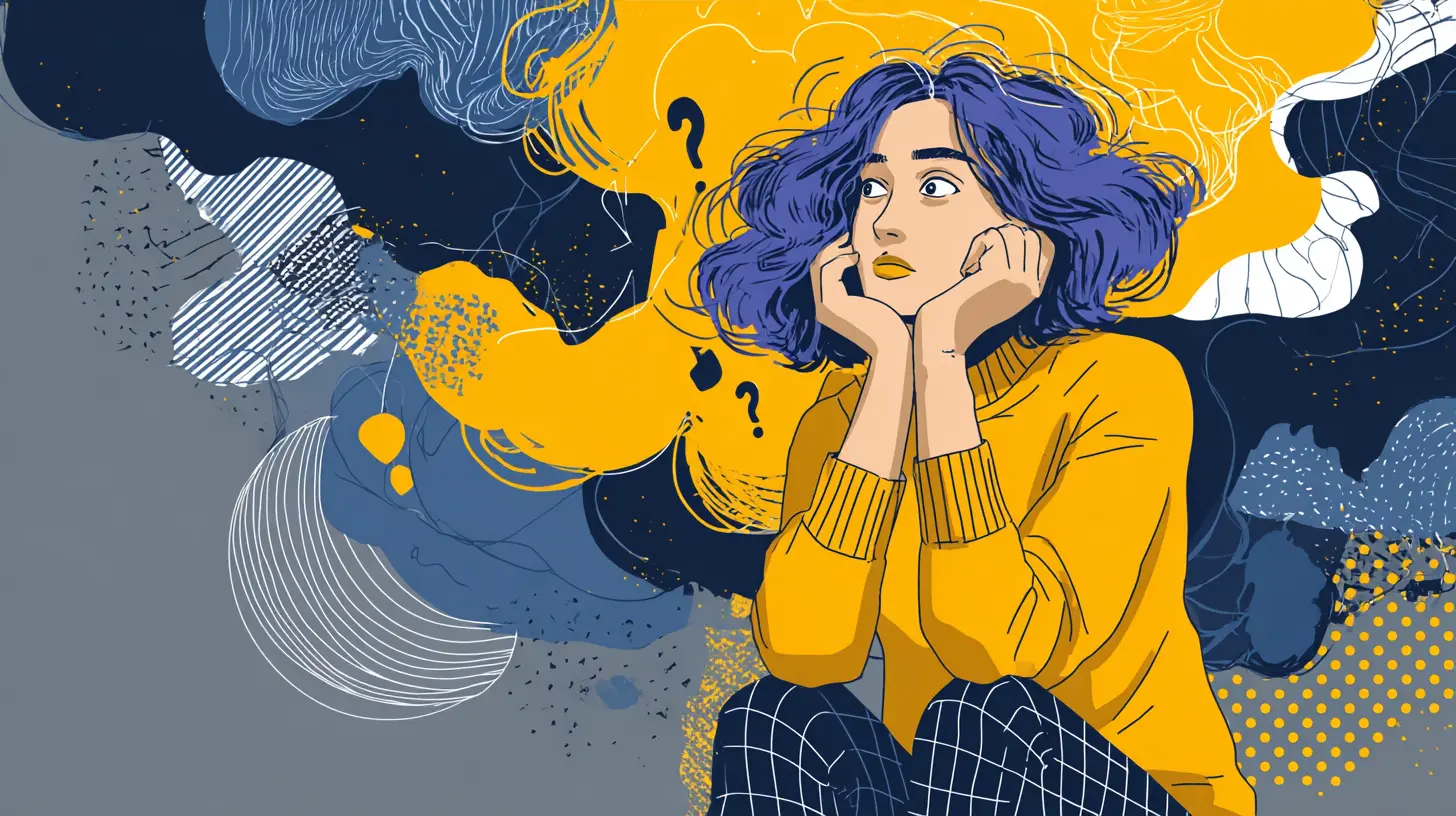
Alright, let’s start with the basics. Visualization (sometimes called guided imagery) is a mental technique that uses the power of your imagination to help you relax, focus, or even heal. Think of it as using your brain like a big movie screen — you create calming, peaceful images in your mind that help override negative thoughts or chaotic emotions.Ever pictured yourself on a beach to escape a stressful meeting? That’s visualization! It’s not woo-woo; it’s neuroscience. Your brain doesn’t always distinguish between vividly imagined events and real ones. So when you visualize calm, your body starts to follow.
Why Visualization Works for Stress
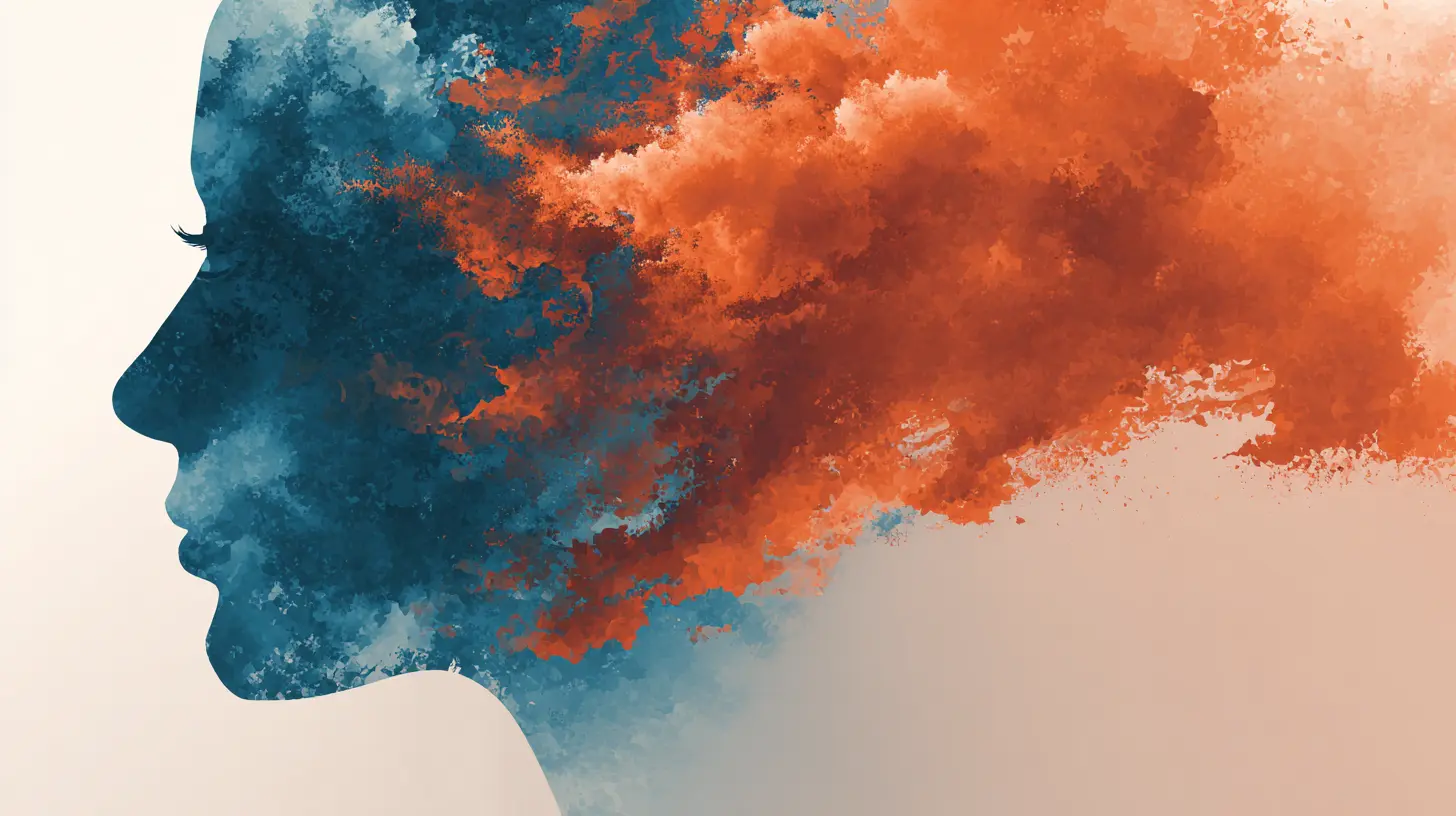
Here’s the deal: when you’re stressed, your brain kicks into “fight or flight” mode. That’s great if you’re running from a bear — not so much if you’re facing a Monday morning inbox explosion. Visualization tricks your brain into thinking you’re safe and relaxed, triggering your parasympathetic nervous system (the rest-and-digest part). Heart rate slows, breathing deepens, muscles unclench. It’s like hitting the reset button on your body.Picture this — your mind is a remote. Stress has you stuck on the news channel — loud, chaotic, overwhelming. Visualization lets you flip to a chill nature documentary and turn the volume way down.
Common Types of Visualization to Deal with Stress
Visualization isn’t one-size-fits-all. Try different types until you find your go-to. Here are a few popular techniques that people swear by:1. The Safe Place Technique
This one’s a classic. Close your eyes and imagine a place where you feel completely safe and at peace. It could be a beach, a forest, a cozy cabin — even a childhood memory.- Focus on the details: What does it look like? What sounds do you hear? Can you feel the sun on your skin, smell the fresh air?
- Make it rich and vivid. The more senses you engage, the more real it feels to your brain.
This is perfect for calming down in high-stress moments. You can “visit” anytime.
2. Guided Imagery
Guided imagery often involves listening to someone (a therapist, an app, or a YouTube video) walk you through a calming scenario. Think of it as an audiobook for your brain and nervous system.- Great for beginners who need help focusing.
- Helps tone down racing thoughts and panic spirals.
- Often includes breathing cues, which doubles the stress relief.
3. Healing Light Visualization
Imagine a warm, glowing light slowly pouring over you, starting at the top of your head and flowing down to your toes. This light represents calmness, health, or healing — whatever you need most.- Picture it melting away stress and tension.
- You can adjust the color or intensity based on your mood.
It’s like giving your body a mental spa treatment.
4. Progressive Muscle Relaxation with Imagery
Pairing visualization with muscle relaxation is a powerful combo. While you tense and release each muscle group, imagine stress leaving your body like smoke or dark clouds.- Visual cues help you tune in to your physical sensations.
- Reinforces the mind-body connection.
You’ll finish feeling like jelly in the best way possible.
5. Future Visualization (Positive Outcome)
Use this when worry about the future is grinding your gears. Imagine yourself handling a stressful situation with ease — like nailing a big presentation or navigating a tough conversation confidently.- Helps you shift from "what if" anxiety to "I’ve got this" confidence.
- Rewires your beliefs by “seeing” success.
It’s like rehearsal, but for your mindset.
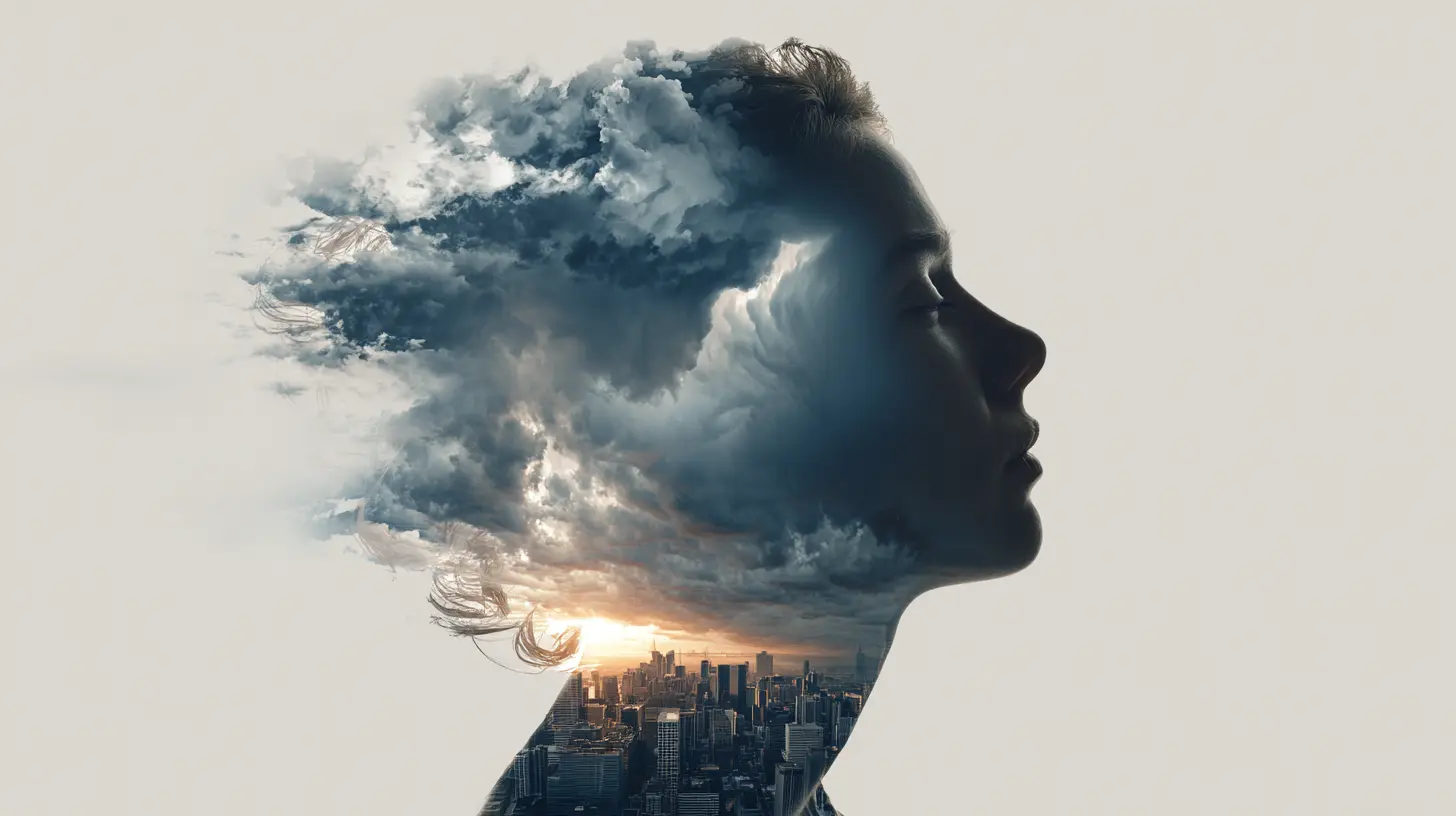
Step-by-Step Guide to Practicing Visualization
You don’t need to spend 30 minutes in a lotus pose. Even five minutes can create change. Here’s how to get started:Step 1: Find a Quiet Spot
Choose a place where you won’t be disturbed for a few minutes. Turn off notifications. Silence is golden here.Step 2: Get Comfortable
Sit or lie down. Close your eyes. Take a deep breath — in through your nose, out through your mouth. Feel your body settle.Step 3: Choose Your Visualization
Pick one of the techniques we talked about:- A peaceful place
- Healing light
- Future scenario
It helps to use the same one regularly, but don’t be afraid to mix it up.
Step 4: Engage All Your Senses
Ask yourself:- What do I see?
- What do I hear?
- What can I feel, smell, or even taste?
The richer the mental image, the better the results.
Step 5: Stay With It
Let your mind live in that space for a few minutes. Don’t worry if your thoughts wander — that’s normal. Gently bring your focus back.Step 6: Return and Reflect
When you’re ready, open your eyes. Take a few deep breaths. Notice how your body feels — hopefully way more relaxed than before.Tips for Making Visualization a Habit
Like anything, it takes practice. But don’t worry — this isn’t another task to stress over. Here’s how to make it easy:- Start small: Even 2–5 minutes daily adds up.
- Stack it with a habit: Try visualizing after brushing your teeth or before bed.
- Keep a journal: Write down what you visualized and how you felt. It helps you track progress.
- Use audio guides: They're like training wheels for your imagination.
- Don’t aim for “perfect”: It’s not about doing it right — it’s about doing it consistently.
When to Use Visualization Techniques
Let’s be real — stress doesn’t send a calendar invite. It pops up at the worst times. Here are some moments when visualization can help:- Before a big meeting or interview
- During a panic attack or anxiety spiral
- When you can’t fall asleep
- On your lunch break for a mid-day reset
- After a fight or emotional conversation
- Just about any time you need a moment of peace
Visualization Isn’t Magic, But It’s Pretty Close
Does visualization make all your problems disappear? Not exactly. Life’s still messy. But it gives you breathing room. And when you’re not stuck in the chaos, you can think clearly, make better decisions, and show up as your calmest, most grounded self.Think of it like this: your mind is the driver’s seat. Stress wants to grab the wheel. Visualization gently hands the controls back to you.
Combine Visualization with Other Stress Management Tools
Visualization is powerful — but it’s even more effective when paired with other stress-busting tools like:- Deep breathing: Slows your heart rate and complements visualization beautifully.
- Meditation: Builds focus and awareness.
- Exercise: Burns off stress hormones so your body’s more receptive to relaxation.
- Talk therapy: Helps you process what’s behind the stress.
- Journaling: Clears your mind and uncovers patterns.
It’s like building your own toolkit — visualization is one shiny, sharp tool in the box.
Your Mind, Your Sanctuary
Stress isn’t going away, but you can change how you deal with it. Visualization techniques are a simple, proven, and honestly kind of fun way to find calm in the storm. Best part? You carry this tool with you 24/7. No downloads required.So the next time your thoughts are racing, your shoulders feel like bricks, and everything feels like too much — hit pause. Close your eyes. Paint yourself a peaceful picture. Stay there for a minute or two.
And just like that, you’ve taken a powerful step toward taking your peace back.
all images in this post were generated using AI tools
Category:
Coping MechanismsAuthor:

Matilda Whitley
Discussion
rate this article
2 comments
Isabella Diaz
Great tips for relaxation!
June 24, 2026 at 3:50 PM
Matilda Whitley
I'm glad you found them helpful! Visualization can be a powerful tool for relaxation.
Orionis Vasquez
Great insights on visualization techniques! I appreciate the practical tips for managing stress. These methods can really help create a calming mindset. Thank you!
May 9, 2026 at 2:38 AM
Matilda Whitley
Thanks for your feedback! I'm glad you found the tips helpful. Visualization can truly make a difference in managing stress.