How Past Experiences Shape Future Decisions
25 June 2026
Ever wondered why you hesitate before making a decision that others seem to take easily? Or why certain paths feel more “natural” to you than others? The truth is, we're all walking around with a mental backpack full of memories, emotions, and past experiences that quietly—or not so quietly—guide our every move. From big life choices to everyday habits, our past plays a starring role in our present and future. Let’s dive into how that actually works.
Why the Past Isn’t Really “Past”
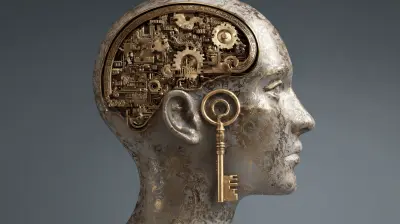
Let’s get this straight—our past may be behind us in the timeline, but it's very much alive in our minds. Every experience leaves a trace. Sometimes it’s a fleeting footprint, other times it’s more like carving initials into a tree. The brain has this clever way of storing everything we go through—especially the emotional stuff. And guess what? It uses that information when we make decisions.Think of your brain as your personal filing cabinet. Each drawer holds different life experiences—some labeled “good,” others “bad,” and some still confusing. And when you face a new situation, your brain flips through those files, looking for patterns, warning signs, and green lights.
Let’s Talk About Emotional Memory
Not all memories are created equal. You probably don’t remember what you had for lunch two weeks ago, but I bet you remember how you felt during your first heartbreak or that time you aced a really tough test. That’s emotional memory.Emotional memories carry more “weight” than neutral ones. The brain stores them more deeply because they’re tied to survival. If something hurt you before (emotionally or physically), your brain wants to protect you from it happening again. It's a built-in safety system. But sometimes that system gets a bit overprotective.
For example, if you were ridiculed for speaking up in class once, your brain might steer you away from public speaking for years—even when there's no real threat anymore. That's how powerful emotional memory can be.
The Role of Childhood in Decision-Making
Let’s rewind a bit—way back to your childhood. This is where most of our core beliefs begin. The way your caregivers responded to you, the values you were taught, the environment you grew up in... all of these shape the lens through which you see the world.If as a child you were encouraged to take risks, you might grow up believing that failure is just a stepping stone. But if you were constantly criticized or punished for mistakes, you might view failure as something to avoid at all costs. And that difference? It shows up in your career choices, relationships, and even your willingness to try new hobbies.
It’s like programming a computer. The code you write when it’s being built becomes the base it runs on later. Of course, you can update the software, but rewriting that original code takes awareness and effort.
Cognitive Biases: When the Brain Tries to “Help”
Our brains are incredible, but they come with shortcuts known as cognitive biases. These are mental rules we follow—often unconsciously—that help us make decisions more quickly. The problem? They're shaped largely by previous experiences, and they don't always lead us in the right direction.Take confirmation bias, for instance. If you failed at a business idea once, your brain might cherry-pick new evidence that confirms “you’re not cut out for entrepreneurship.” Never mind the fact that many successful entrepreneurs had several failures before their breakthrough.
Or how about negativity bias? You might remember the one piece of negative feedback and forget the ten compliments you received. This bias helped our ancestors survive by being highly sensitive to threats—but now? It just makes job interviews more stressful.
Trauma’s Long Shadow
Now, let’s tread into deeper waters. Trauma—whether it’s from abuse, neglect, loss, or a major life upheaval—can seriously alter the way we see the world. It's like putting on tinted glasses and forgetting you're even wearing them.Trauma often leads to hypervigilance. You might become overly cautious, avoiding situations that remind you even slightly of the original trauma. Or, in some cases, you might unconsciously repeat unhealthy patterns because they feel familiar.
It’s not about weakness or willpower—it’s biology. Trauma changes the way our brain’s fear center operates. The good news? With therapy, mindfulness, and support, it’s absolutely possible to process trauma and create new pathways for healthier decisions.
Learning from Success, Too
Okay, it’s not all doom and gloom. Positive experiences leave their mark too—and they can be just as powerful. When we succeed or feel supported, our brains make mental notes like, “Hey, this worked out well. Do more of this!”Building a history of small wins helps craft something called self-efficacy—that’s a fancy way of saying, “I’ve got this.” It’s why some people seem so confident in taking leaps—they've already taken smaller hops and landed safely.
So every positive experience you have? It’s building your foundation for the future. And the more of these you collect, the easier it becomes to trust your decisions.
The Unconscious Influence
Here’s the kicker: a lot of this decision-making doesn’t even happen consciously. It's like being steered by a GPS you didn’t even know was on. The people we admired as kids, the stories we were told, the roles we played in our families—all of it shapes our decision filters.Were you “the responsible one”? You might still feel the urge to put others first, even to your detriment. The “black sheep”? You might rebel automatically, even when cooperation would help. These identities were assigned early, but they silently affect how we choose today.
Can You Change How Your Past Shapes You?
Absolutely. The past may shape us, but it doesn’t have to trap us.Awareness is the first step. Start paying attention to when you feel stuck or reactive in a decision. Ask yourself: “Is this about now—or am I dragging an old story into the present?”
Then comes reflection. Journaling, therapy, or even deep conversations with trusted friends can help you unpack your mental backpack. What’s serving you? What needs to be let go?
Finally, it’s about rewriting the story. Replace “I always mess this up” with “I’ve learned from my mistakes.” Turn “I’m not good at relationships” into “I’m growing and open to love.” With repetition, your brain starts to believe the new narrative.
Rewrite Your Future, One Decision at a Time
Here’s a little secret: we don’t need to be perfectly healed or free from all past baggage to make good decisions. You just need to be curious, compassionate with yourself, and willing to pause before reacting.Every decision you make—big or small—is a chance to either reinforce an old pattern or create a new one. That’s powerful. And it’s yours to use.
So next time you’re faced with a choice and feel hesitant, ask yourself: “Is this fear from now or from then?” That one question can change your entire future.
Final Thoughts
Our pasts are powerful, no doubt. They’re the authors of our backstories, the teachers of our earliest lessons. But they don’t have to dictate how every chapter unfolds from here on out.The beauty of being human is our ability to change, grow, and rewire. With intention and a little bit of self-awareness, we can start making choices that align not with who we were—but who we want to become.
So carry your past—but don’t let it drive.
all images in this post were generated using AI tools
Category:
Decision MakingAuthor:
Matilda Whitley
Discussion
rate this article
1 comments
Ella Chapman
This article offers valuable insights into decision-making processes.
June 25, 2026 at 2:35 PM
Matilda Whitley
I'm glad you found it insightful! Understanding our past is key to making better choices in the future.