Unlocking the Secrets of the Subconscious Mind in 2026
20 April 2026
Let’s be honest for a second. How many times have you made a decision that seemed to come out of nowhere? Or found yourself humming a song you haven’t heard in years, triggered by a random scent? That’s not just random noise. That’s the most powerful part of you—your subconscious mind—whispering, nudging, and often, steering the ship while you’re busy looking at the map.
For centuries, this vast inner universe has been shrouded in mystery, likened to a dark basement or an untamed ocean. But what if I told you that by 2026, we’re not just peering into that basement with a flashlight; we’re installing a full smart-home lighting system? The way we understand and interact with the subconscious is undergoing a revolution, and it’s happening at the intersection of ancient wisdom and cutting-edge technology. Buckle up, because we’re about to dive deep into what unlocking the subconscious really means for us in the very near future.
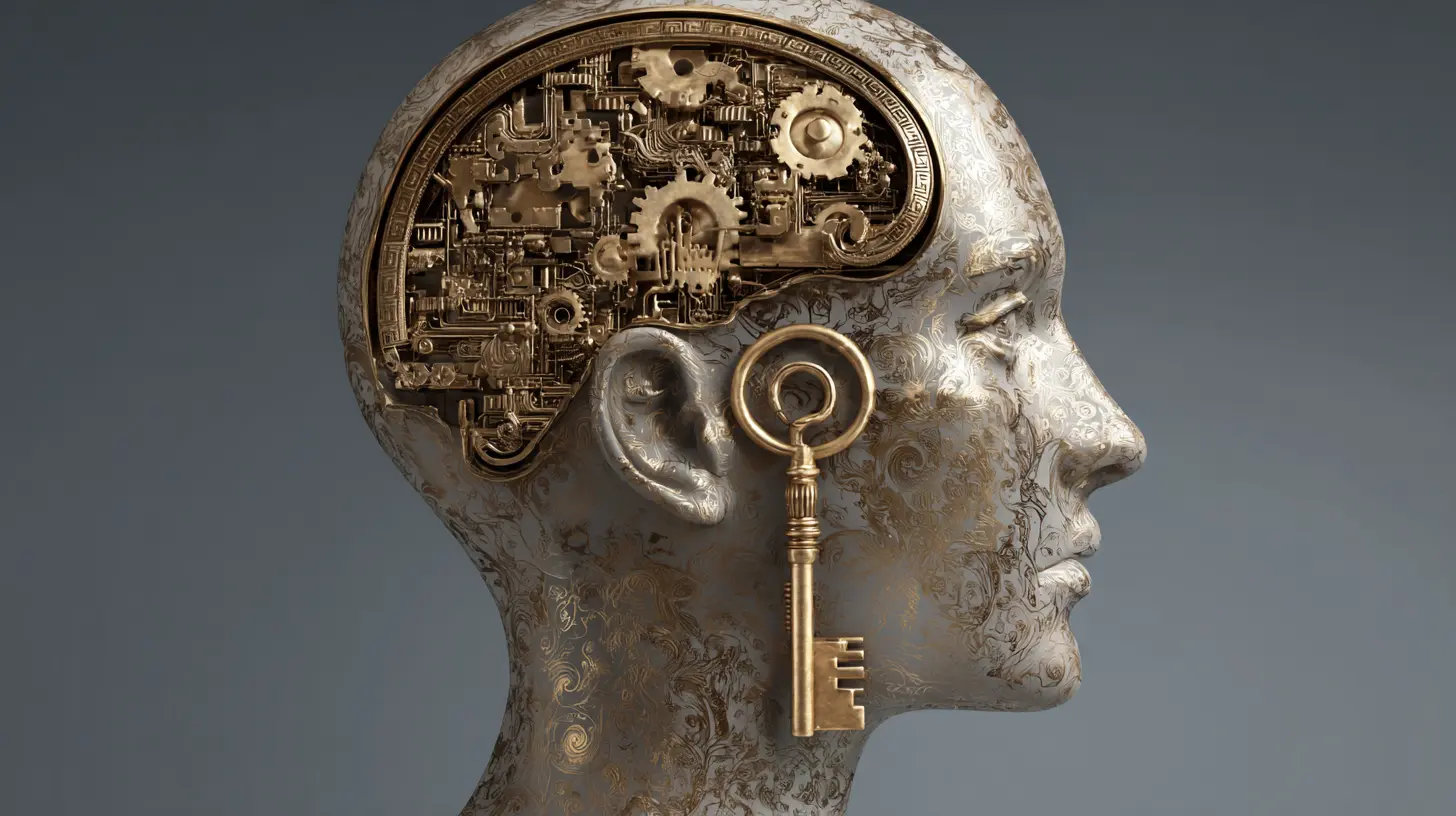
What Exactly Is the Subconscious Mind, Anyway?
Before we talk about unlocking it, let’s get our bearings. Think of your mind as an iceberg. The tip above the water—that’s your conscious mind. It’s the part making this list, deciding what to have for lunch, and actively reading these words. It’s logical, linear, and surprisingly limited in capacity.Now, picture the massive, submerged bulk of the iceberg. That’s your subconscious. This is where everything else lives: your memories, your deeply held beliefs (even the ones you argue against), your instincts, your emotions, and your automatic bodily functions. It’s the database behind your intuition, the scriptwriter for your dreams, and the autopilot for 95% of your daily actions. It doesn’t reason like the conscious mind; it speaks in symbols, feelings, and patterns. It’s the silent partner running the back office of you.
The Old Keys: How We’ve Tried to Access the Depths
We’ve always known this powerhouse existed. Traditional methods of access have been like trying to map a cave with a candle.* Dream Analysis: For over a century, since Freud called dreams the "royal road to the unconscious," we’ve been deciphering their cryptic messages. Your subconscious uses dreams to process emotions, solve problems, and communicate conflicts your waking mind might ignore.
* Hypnosis & Guided Meditation: These are states of highly focused attention that allow the conscious, critical mind to relax its guard. It’s like temporarily turning down the volume on the loud, logical voice so you can hear the softer, intuitive one giving suggestions or revealing buried memories.
* Free Association & Psychoanalysis: The classic "talk therapy" model. By letting thoughts flow without censorship, we bypass the mind’s editor, allowing subconscious material to bubble up. It’s a slow, deliberate excavation.
* Intuition & Gut Feelings: That instant, inexplicable "knowing." This is your subconscious mind integrating millions of data points—micro-expressions, past experiences, environmental cues—and delivering a conclusion to your consciousness as a feeling, not a reasoned argument.
These methods work. They’re profound. But they’re often slow, subjective, and require expert interpretation. What’s changing in 2026 is that we’re adding a layer of objective, real-time data to this deeply personal process.
The 2026 Toolkit: Neuroscience Meets Everyday Life
This is where it gets exciting. The frontier of subconscious exploration is being pushed by technology that’s moving from lab coats to our living rooms.1. Neurofeedback & Wearable EEGs: Seeing Your Brain in Real-Time
Imagine having a mood ring that actually worked. Advanced, consumer-friendly EEG (electroencephalogram) headbands are becoming incredibly sophisticated. They can now give you real-time feedback on your brainwave states. Are you in a stressed, high-beta state? Or a calm, creative alpha state? By seeing this data on your phone, you can learn, through trial and error, what thoughts, activities, or breaths shift your inner landscape. You’re not just feeling calmer; you’re seeing your brain become calmer. This is biofeedback for the mind, giving you a direct dashboard to your subconscious arousal systems.2. AI-Powered Dream Journals
Writing down your dreams is powerful, but what if an app could help you see patterns you’d miss? AI applications can now analyze your typed or voice-recorded dream logs over months. They can flag recurring symbols, emotional tones, and potential links to your waking-life events. "Noticed you dream about bridges every time you have a work deadline," it might suggest. This turns sporadic introspection into a structured dialogue with your subconscious, highlighting its ongoing concerns and creative solutions.3. Immersive VR for Exposure & Healing
Virtual Reality is becoming a potent tool for therapeutic exposure. Why? Because it can trick the subconscious. For someone with a deep-seated fear of heights, their subconscious reacts to a VR skyscraper ledge as if it’s real. By safely and gradually facing that in VR, they can rewire the subconscious fear response without ever leaving the therapist's office. Similarly, VR can create serene, guided meditative journeys tailored to implant positive suggestions or process trauma in a controlled, immersive environment.4. The Rise of "Biometric Storytelling"
Our bodies are the subconscious mind’s megaphone. Heart rate variability (HRV), skin conductance (sweat), and even subtle facial muscle movements are all windows into subconscious emotional reactions. In 2026, apps that sync biometric data with daily diaries are helping people make stunning connections. "Your heart rate spiked and your skin conductance increased during that ‘harmless’ conversation with your colleague… want to explore why?" This tech acts as a truth-teller, pointing out discrepancies between what we think we feel and what our subconscious body is actually experiencing.
The Practical Payoff: What This Means for YOUR Life
Okay, cool tech. But so what? How does translating the mumbo-jumbo of the subconscious actually improve your Tuesday? Let’s get practical.* Breaking Self-Sabotaging Cycles: We all have them. The commitment to a diet that crumbles, the pattern of attracting the same problematic partner. These are subconscious programs running on a loop. By using these new tools to identify the trigger (e.g., loneliness triggering a binge) and the underlying belief ("I don’t deserve to be healthy"), we can finally rewrite the code. It moves change from sheer willpower (a conscious mind battle) to reprogramming (a subconscious solution).
* Unlocking Creativity & Problem-Solving: Ever had a brilliant idea in the shower? That’s your subconscious at work. By using neurofeedback to learn how to intentionally enter a relaxed, alpha-dominant state, you can create the ideal internal conditions for insight. It’s like learning to dial into your brain’s innovation frequency on demand.
Mastering Emotional Regulation: Your subconscious is the engine room of your emotions. When you feel a sudden wave of anxiety, it’s often a subconscious alarm based on an old memory. Tools that provide real-time physiological data help you catch the physical onset* of the emotion before the conscious mental spiral begins. You can then intervene with a breathing technique and watch your HRV calm on the screen—a powerful reinforcement that you are in control.
* Enhancing Relationships: Much of our communication is nonverbal—governed by the subconscious. Becoming more aware of your own internal signals (why does my jaw clench when they say that?) and learning to read others’ subtle cues leads to deeper empathy and fewer misunderstandings. You start communicating from a place of deeper awareness.
The Ethical Frontier: A Word of Caution
With great power comes great responsibility, right? As we open this new frontier, serious questions arise.Who owns your subconscious data—your brainwave patterns, your dream logs? Could this information be used to manipulate your desires, say, through hyper-personalized advertising that bypasses your logical defenses? The line between therapeutic insight and invasive surveillance is blurry. The tools of 2026 demand a new ethical framework and personal vigilance. The key will be using them for self-empowerment, not external control.
Your Personal Journey Starts Now (Yes, Before 2026)
You don’t need to wait for a fancy headband to begin. The most powerful access point to your subconscious is, and always will be, mindful self-observation.Start tonight. Keep a simple notebook by your bed and jot down any dream fragments. Notice your gut reactions. When you feel a sudden shift in mood, ask yourself, "What was I just thinking about?" Practice daydreaming without judgment. These are the timeless, human ways of listening. The tech of 2026 will simply be an amplifier for this inner work, not a replacement for it.
The subconscious mind isn’t a monster in the basement. It’s the soil from which your conscious life grows. By 2026, we are becoming master gardeners. We’re learning the language of the soil—its nutrients, its pests, its needs. We’re moving from guesswork to guided cultivation. The secret isn’t that the subconscious controls us; the secret is that we can, with patience and new tools, learn to collaborate with it. And in that partnership lies the potential for healing, creativity, and a life lived with a profound sense of wholeness that we’re only just beginning to imagine.
The door is being unlocked. Are you ready to step through?
all images in this post were generated using AI tools
Category:
The Subconscious MindAuthor:

Matilda Whitley
Discussion
rate this article
2 comments
Victoria Walker
The exploration of the subconscious mind offers profound insights into our behaviors and emotions. As we deepen this understanding, we may find new pathways to self-discovery and healing in 2026.
June 8, 2026 at 3:43 PM
Matilda Whitley
Absolutely, the subconscious holds keys to our inner selves. I'm excited to see how these insights will shape our journey in 2026.
Remington Gray
Ah, the subconscious mind—our personal treasure chest of secrets and quirks! Who knew that peeking behind the curtain in 2026 would unlock such juicy revelations? Let’s dig deep, shall we? Just remember, the truth may be stranger than fiction, and far more entertaining!
April 22, 2026 at 3:50 AM
Matilda Whitley
Absolutely! The subconscious really is full of surprises. Let's see what we uncover together.