Fear of Flying: Techniques to Soar Above Aviophobia
14 March 2026
Ever felt that sinking feeling in your stomach just thinking about boarding a plane? You’re not alone. Fear of flying, or aviophobia, affects millions of people around the world. While some experience mild anxiety, others have full-blown panic attacks at the mere thought of stepping onto an aircraft.
But here’s the good news: You don’t have to let fear clip your wings forever. With the right techniques, you can overcome aviophobia and embrace the freedom of air travel. Ready to conquer your fear? Buckle up—we’re taking off!

Understanding Aviophobia: Why Are We So Afraid?
Fear of flying isn’t just about the fear of crashing (though that’s a big one for many people). It often stems from a mix of anxieties, including:- Loss of control – Unlike driving a car, you can't just hit the brakes or pull over when you’re 30,000 feet in the air. That lack of control can feel terrifying.
- Fear of heights – If you get dizzy just thinking about standing on a balcony, imagine being miles above the ground!
- Claustrophobia – Being packed inside a metal tube with strangers for hours? Yeah, not everyone’s idea of a good time.
- Bad past experiences – A turbulent flight or an emergency landing can leave emotional scars that make future flights seem unbearable.
- Media influence – Plane crashes make headlines, creating the illusion that flying is far more dangerous than it actually is.
Understanding what triggers your fear is the first step to overcoming it. Now, let’s dive into some battle-tested techniques to help you fly with confidence.
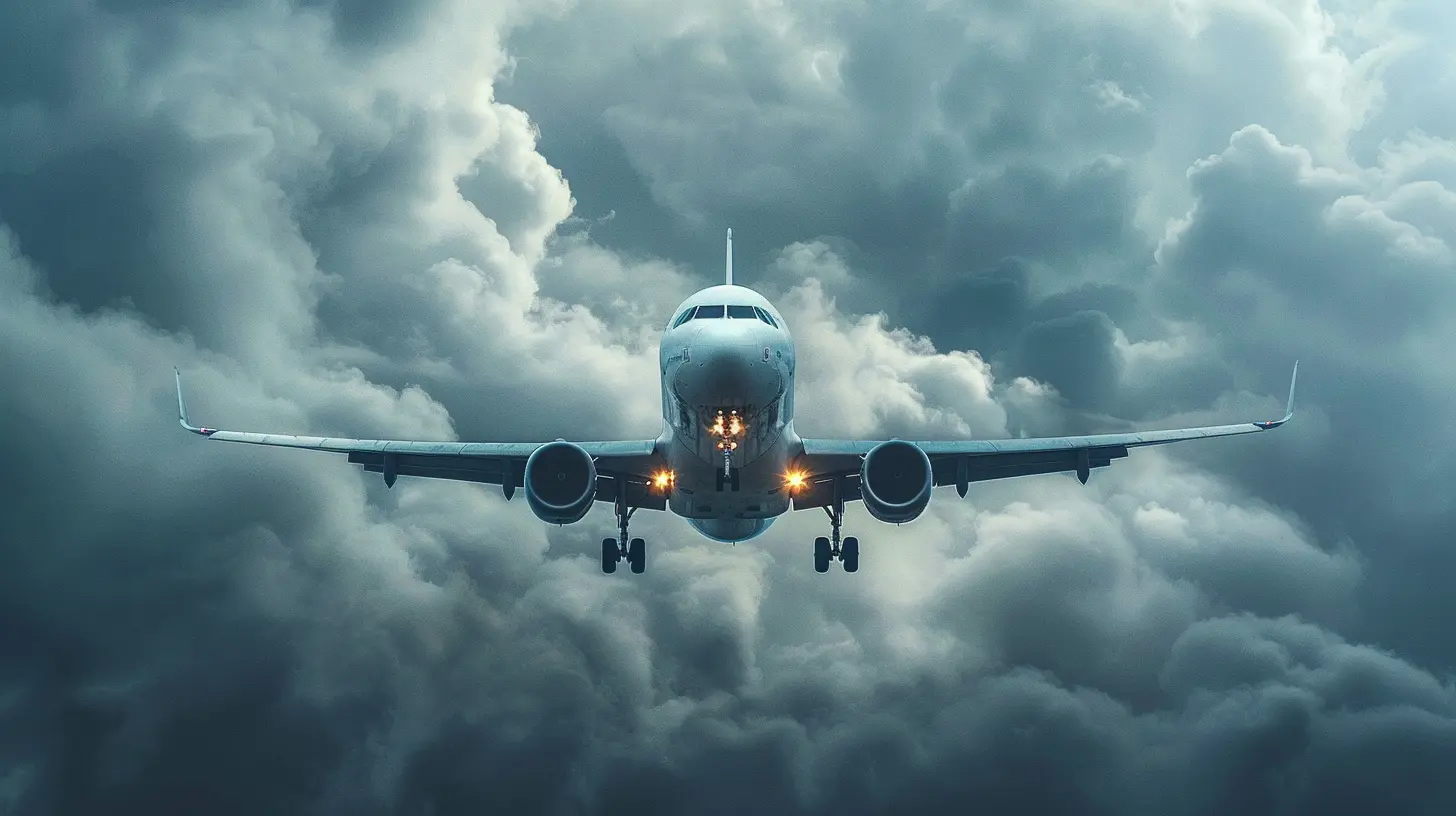
1. Knowledge Is Power (And Comfort)
One of the biggest reasons people fear flying is simply not understanding how airplanes work. Let’s bust some myths:- Planes are designed to handle turbulence. Those bumps and shakes? Completely normal. Turbulence might feel scary, but it’s like hitting a pothole while driving—annoying but not dangerous.
- A plane doesn’t just "fall out of the sky." Modern aircraft are built with multiple backup systems, so even if one thing goes wrong, there are plenty of failsafes in place.
- Pilots go through rigorous training. These people aren’t just winging it (pun absolutely intended). They train for years to handle any possible situation.
So, before your flight, do some research. Watch videos explaining turbulence, read up on how planes stay in the air, and remind yourself that flying is one of the safest modes of transportation.

2. Rationalize Your Fear with Statistics
If numbers bring you comfort, here’s a fact: Your odds of being in a plane crash are 1 in 11 million. To put that into perspective, you're more likely to:- Get struck by lightning
- Win the lottery (sadly, still pretty slim)
- Have a vending machine fall on you (!)
Meanwhile, your odds of being in a car accident are 1 in 103. That’s right—you’re far safer in the sky than on the road. Suddenly, flying doesn’t seem so terrifying, does it?

3. Practice Relaxation Techniques
When anxiety kicks in, your body goes into full fight-or-flight mode (ironic, right?). Here’s how to keep your nerves in check:Deep Breathing
Try the 4-7-8 method:- Inhale deeply through your nose for 4 seconds
- Hold your breath for 7 seconds
- Exhale slowly through your mouth for 8 seconds
Repeat this cycle a few times to calm your nervous system.
Progressive Muscle Relaxation
Tense a group of muscles (like your shoulders) for five seconds, then slowly release. Work your way through your whole body—this technique helps release built-up tension.Visualization Techniques
Close your eyes and imagine yourself arriving safely at your destination. Picture the blue skies, the soft landing, and the relief washing over you as you step off the plane.4. Distract Yourself from Your Anxiety
Your brain loves to latch onto fear, so… don’t give it the chance! Keep yourself busy with:- Music or podcasts – Create a calming playlist or listen to an engaging podcast. True crime? Comedy? Whatever works for you!
- Movies or books – Get lost in a good story. Bonus points for something humorous or lighthearted.
- Games or puzzles – Sudoku, crosswords, or a simple mobile game can keep your mind engaged.
The more distracted you are, the less space your fear has to take over.
5. Choose the Right Seat
Did you know where you sit can affect your anxiety? Here’s a breakdown:- Aisle seats – Great if you feel claustrophobic or want easier access to the restroom.
- Over the wings – This area experiences less turbulence.
- Front of the plane – Generally quieter and smoother than the back.
If turbulence is your biggest fear, aim for a seat over the wings. It’s the most stable part of the plane!
6. Talk to Flight Attendants
If you’re feeling anxious mid-flight, let the cabin crew know. Flight attendants are trained to comfort nervous fliers and can offer reassurance.Plus, a friendly chat with a crew member can be a reminder that they fly all the time—and are completely unfazed by turbulence or other minor in-flight events.
7. Face Your Fear Gradually
If your fear of flying is intense, jumping straight into a long-haul flight might be too much. Instead, try a step-by-step approach:- Start small – Watch videos of flights, visit an airport, or use a flight simulator app.
- Take a short flight – A one-hour trip is a great way to ease into it.
- Bring a support system – Travel with someone who’s confident about flying. Their calm energy can help you relax.
The more you expose yourself to flying, the less intimidating it becomes.
8. Consider Therapy or Medication
If your fear is severe, you might benefit from professional help. Options include:- Cognitive Behavioral Therapy (CBT) – Helps reframe negative thoughts and challenge irrational fears.
- Exposure Therapy – Gradually exposes you to flying-related situations to desensitize your fear.
- Medication – In some cases, anti-anxiety medication or natural supplements (like magnesium or CBD) can help take the edge off.
If you choose medication, consult with your doctor beforehand to see what’s right for you.
Final Thoughts
Aviophobia doesn’t have to keep you grounded forever. With knowledge, practice, and the right mindset, you can slowly work your way towards flying without fear.Remember, fear is just your brain playing tricks on you. But you? You are capable of overcoming it. So go ahead—book that flight, pack your bags, and get ready to conquer the skies. The world is waiting!
all images in this post were generated using AI tools
Category:
PhobiasAuthor:

Matilda Whitley
Discussion
rate this article
2 comments
Sierra Lynch
Thank you for this insightful article on aviophobia. The practical techniques you provided, such as deep breathing and visualization, are incredibly helpful. It's great to see strategies that empower individuals to confront their fears and enjoy the experience of flying.
March 26, 2026 at 3:17 AM
Matilda Whitley
Thank you for your kind words! I'm glad you found the techniques helpful. Wishing you safe and enjoyable travels!
Vireo Wilkins
Embrace the skies with confidence! Remember, every flight is a new adventure. With these tips, you'll be soaring in no time! ✈️😊
March 17, 2026 at 4:28 PM
Matilda Whitley
Thank you! Embracing each flight as an adventure is key to overcoming fear. Happy travels! ✈️😊