Fear of Water: How to Overcome Aquaphobia
16 March 2026
Are you scared of dipping your toes into the water without feeling a surge of panic rush through your entire body? If you've ever found yourself trembling at the edge of a pool or avoiding beach trips because of an intense fear of water, you're not alone. That all-too-familiar fear is known as aquaphobia, and trust me, it’s a thing.
Aquaphobia, or the fear of water, affects more people than you might think. And no, it’s not just about swimming in deep oceans or being stuck in a storm at sea. It can be as simple as the thought of getting into a bathtub or standing near a waterfall, which, in severe cases, can trigger overwhelming fear and anxiety.
But here's the good news: You don't have to live with that fear forever. The truth is, you can overcome aquaphobia with time, patience, and the right strategies. So, let's dive into (pun intended!) why this fear exists, how it manifests, and most importantly, how you can kick it to the curb.

What is Aquaphobia?
Aquaphobia is an intense, irrational fear of water that goes far beyond the typical concerns or discomfort most people might have about swimming or being near large bodies of water. People dealing with aquaphobia often experience overwhelming anxiety or even endure panic attacks when they think about water or encounter it in any form — be it a pool, lake, or even in smaller instances like running water from a shower.Unlike a healthy respect for water’s dangers, aquaphobia manifests irrationally. You may understand, logically, that water or a certain situation involving water is safe, but the fear persists, overwhelming rational thought. The mind is a powerful thing, isn’t it?
Common Causes of Aquaphobia
The origins of aquaphobia vary from person to person, but there are a few common triggers that tend to fuel this fear:- Traumatic Experiences: Many people who suffer from aquaphobia have had a past negative experience with water, such as nearly drowning, or being caught in a strong current. That trauma leaves a lasting imprint on the brain, making it associate water with danger.
- Learned Behavior: Fear can be contagious. If you grew up with a parent or close individual who had a fear of water, it’s possible you learned to fear it as well. Sometimes, even the media’s portrayal of water as dangerous (think shark attack movies!) can feed into a learned fear.
- Lack of Exposure: For some, they may have simply never learned how to swim or engage with water safely. This lack of confidence can create anxiety around water environments, especially when you don't know how to protect yourself if something goes wrong.
- Underlying Anxiety or Phobia Disorders: If you’re someone who experiences other anxiety-related conditions, you may be more prone to specific phobias like aquaphobia. Anxiety disorders can fuel irrational fears, creating a cycle that’s difficult to break.

Symptoms of Aquaphobia
So, what does aquaphobia look like from the outside? It can manifest in different ways and to varying degrees of intensity. Common symptoms include:- Panic Attacks: A racing heart, sweating, shaking, and feeling like you can't breathe when you're around water.
- Avoidance of Water: You might go out of your way to avoid situations where you'd have to interact with water. Skipping pool parties, avoiding beaches, or even staying away from boats can all be anxiety-driven responses.
- Physical Reactions: Some people feel sick or dizzy just thinking about water. This could include nausea, dry mouth, or even an upset stomach.
- Mental Distress: Overwhelming thoughts of catastrophe. You may envision worst-case scenarios like drowning, even in shallow water where it's nearly impossible.
The fear might clearly manifest itself when physically near water, or it might even creep up during daily tasks like showering. Sometimes, just seeing water in a movie or hearing the sound of waves can trigger anxiety.
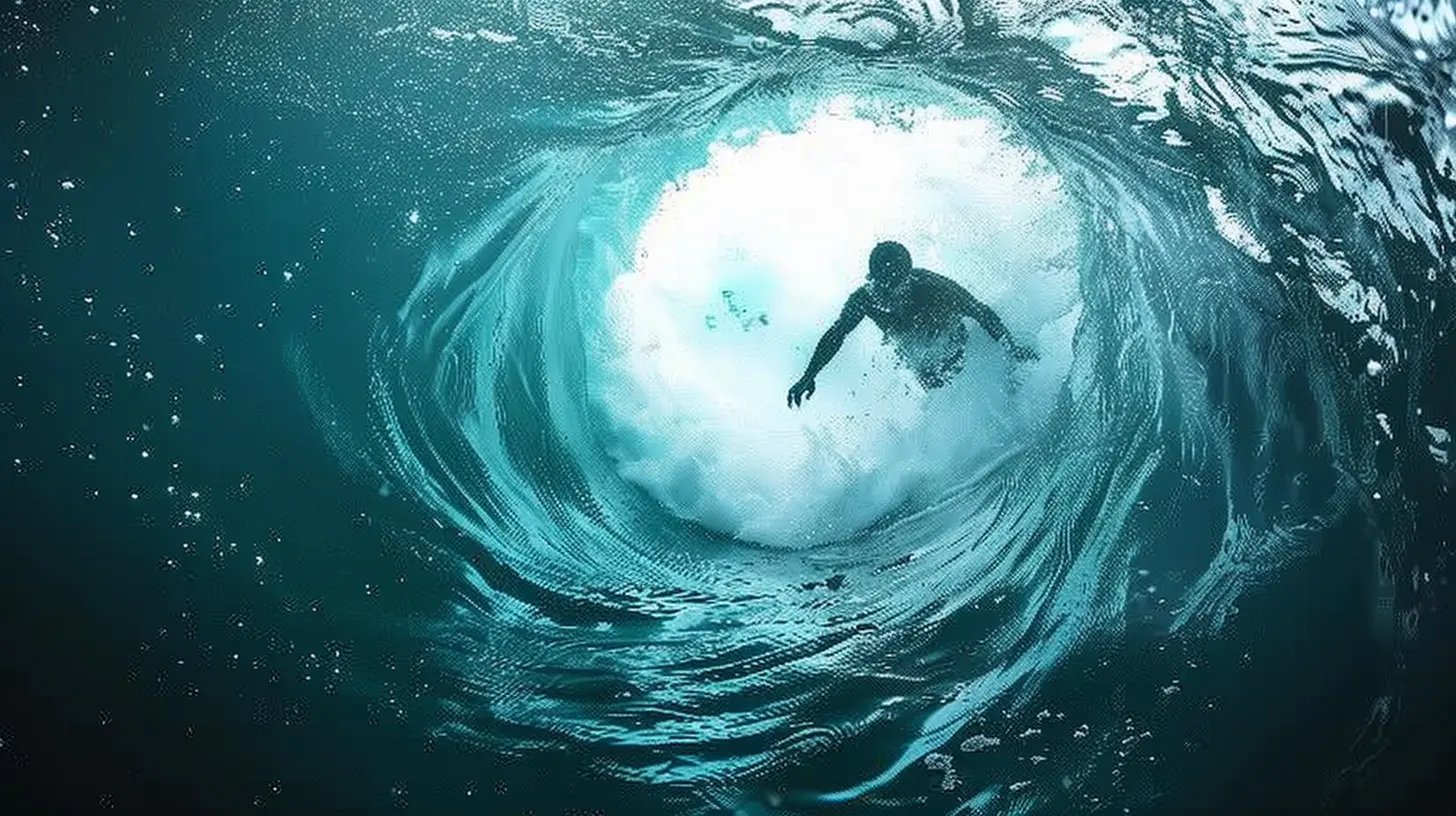
How to Overcome Aquaphobia
Now the big question: how exactly can you get past this fear? It may seem impossible right now, but with the right approach, conquering aquaphobia is more than achievable. Here’s how you can start:1. Gradual Exposure Therapy
One of the most effective ways to overcome any phobia, including aquaphobia, is through exposure therapy. The idea is simple: by gradually exposing yourself to your fear in controlled, manageable doses, you can start to desensitize your brain to the fear.Start small. Maybe begin by sitting near a pool without getting in. Once that feels comfortable, you can slowly dip your feet in the water. Over time, work your way up to deeper water, always at your own pace. Your brain will start to associate water not with danger but with safety and calmness. And soon, the anxiety will subside.
2. Cognitive Behavioral Therapy (CBT)
You may also want to consider Cognitive Behavioral Therapy (CBT), which is designed to help you reframe negative thought patterns that fuel your fear. A therapist will work with you to challenge irrational fears related to water, replacing them with rational, calmer thoughts.For example, they might have you question your belief that you'll drown if you get into the pool. Is that really true, or is it your anxiety talking? By questioning your thoughts, you can chip away at your fear.
3. Mindful Breathing and Relaxation Techniques
Anxiety and panic attacks cause your body’s fight-or-flight response to go haywire, which is why learning how to calm your mind and body can be a powerful ally. Practicing deep breathing exercises or mindfulness-based relaxation techniques can help you manage panic when it happens.When you feel that familiar surge of anxiety near water, slow your breathing. Inhale deeply through your nose, hold it for a few seconds, and then exhale through your mouth deliberately. This simple act helps signal to the brain that you’re not actually in danger, calming your nervous system.
4. Take Swimming Lessons
Sounds pretty basic, right? If you don’t already know how to swim, learning is a game-changer. Taking swimming lessons from a certified instructor, preferably one experienced with nervous swimmers, can help build both your confidence and skill in the water.The more you learn about swimming (and floating, which is a super-important survival skill), the more comfortable you'll feel in water environments. Understanding that you're safe and capable of protecting yourself can significantly reduce your fear.
5. Use Visualization Techniques
Visualization is another effective method of facing your fear. Close your eyes and imagine yourself swimming calmly in a clear, serene pool. Picture every detail— how the water feels, the warmth of the sun, and the peacefulness of the setting.The power of positive imagery can help reshape the way your brain reacts to water. If done consistently, you’ll begin to relate to water more positively, rather than associating it with anxiety.
6. Seek Professional Help
Sometimes overcoming a phobia isn't something you can or should tackle on your own, and there's no shame in that. If your aquaphobia is severely affecting your quality of life, seeking help from a licensed mental health professional is a smart move. Therapists specialized in phobia treatment can guide you through personalized strategies and offer tailored support to help you achieve success.
Encouragement: You Can Do This!
It's easy to feel discouraged when facing a phobia, especially one as deep-rooted as aquaphobia. But remember, conquering your fear of water isn't about flipping a switch and expecting it to disappear overnight. It's about small, consistent victories that add up over time. The human brain is wonderfully adaptable, and with the right support and strategies, you can absolutely rewrite the script your mind has around water.It’s okay if you’re not ready to take that first step immediately, but keep in mind— your fear doesn’t have to hold you back forever. One day, you’ll look back from your place of triumph, marveling at how much progress you’ve made. Maybe you’ll even find yourself enjoying a relaxing float in the water, thinking, "Hey, this isn’t too bad!"
Take it one step at a time. You’ve got this.
all images in this post were generated using AI tools
Category:
PhobiasAuthor:

Matilda Whitley
Discussion
rate this article
2 comments
Jasmine McLaughlin
In depths of anxiety, courage takes flight, Beneath waves of fear, find your light. Step gently, breathe deep—embrace the blue's embrace.
March 21, 2026 at 5:19 AM
Matilda Whitley
Thank you for beautifully capturing the essence of overcoming aquaphobia! Embracing the journey with courage and mindfulness is key to finding peace in the water.
Ivory White
This article on overcoming aquaphobia is both insightful and practical. The tips provided, like gradual exposure and breathing techniques, are essential for anyone struggling with this fear. It's refreshing to see a focus on manageable steps rather than overwhelming challenges. Great resource for those ready to face their fears!
March 17, 2026 at 4:28 PM
Matilda Whitley
Thank you for your kind words! I'm glad you found the tips helpful and accessible. Facing fears can be challenging, and I hope this article serves as a supportive resource!