Exploring the Hidden Triggers of Psychosomatic Illness
7 May 2026
You’ve probably heard the term “psychosomatic” tossed around before. Maybe in a movie where someone gets sick from stress, or in a conversation with a friend who says, “It’s all in your head.” But here’s the thing — psychosomatic illness is very real. It’s not just a figment of the imagination. It’s that tricky space where your mind affects your body in ways that can be downright debilitating.
In this article, we’re going to dive deep into the hidden triggers of psychosomatic illness, the ones that don't always pop up in the doctor’s office or on a lab test. We’ll talk about how our thoughts, feelings, and past experiences can sneak into our physical health, causing real symptoms with no clear medical explanation.
Let’s break it all down, without the fluff and medical mumbo jumbo.
What Is Psychosomatic Illness Anyway?
Let’s start with the basics. “Psycho” refers to the mind, and “somatic” refers to the body. Put them together, and you get physical symptoms that are caused or worsened by emotional or mental factors.So no, it’s not “faking it.” The pain, fatigue, headaches, stomach issues — they’re all real. The twist? They’re being triggered by something psychological, not physical.
Ever felt your chest tighten during a panic attack or got stomach cramps before a big presentation? That’s your emotions messing with your body. Now imagine that effect happening all the time — that’s psychosomatic illness.
The Mind-Body Connection: More Than Just a Buzzword
We often treat the mind and body like they exist in separate rooms. But science has proven over and over again that the nervous system, immune system, and even the hormones our body produces all dance to the tune of our thoughts and emotions.You can thank your brain for this. When you feel stressed, anxious, or overwhelmed, your brain sends signals throughout your body. Adrenaline floods your system, cortisol (your stress hormone) spikes, your muscles tense, and your heartbeat races. If that stress doesn’t go away, your body stays in fight-or-flight mode — and things start to break down.
So yeah, your body listens to your emotions. Closely.
Common Physical Symptoms of Psychosomatic Illness
Here’s where things get tricky. Psychosomatic disorders can cause a wide range of physical symptoms — and they can mimic just about any health condition.Some of the most common symptoms include:
- Chronic pain (especially back pain)
- Headaches or migraines
- Fatigue that won’t go away
- Digestive issues (IBS, nausea, constipation)
- Rapid heart rate or chest pain
- Breathing problems
- Dizziness or fainting
- Skin conditions (eczema, rashes)
- Muscle tension or spasms
The worst part? These symptoms often don’t show up on scans or blood tests. So patients bounce from doctor to doctor, trying to find answers — often with no luck.
The Hidden Triggers: What’s Really Going On?
So what causes all of this? Let’s peel back the layers and look at some of the lesser-known triggers that can quietly set off psychosomatic illness.1. Repressed Emotions
This is a biggie. A lot of us were taught to “suck it up” or “stay strong” when we were hurting. Over time, we stuff down anger, grief, fear, or resentment like old clothes in an overflowing closet.But emotions don’t just disappear. They fester. And eventually, the body starts to scream what the mouth refuses to say. Headaches, ulcers, high blood pressure — they can all be the body’s way of waving a red flag.
Think of it like trying to hold a beach ball underwater. You can do it for a while, but eventually, it’s going to explode to the surface. Usually in ways you don’t expect.
2. Childhood Trauma
Trauma, especially from childhood, doesn't just fade with time. Whether it’s emotional neglect, abuse, or growing up in a chaotic home, these early experiences shape how we cope with stress as adults.Trauma keeps your body’s alarm system on high alert. Years later, you may not consciously recall the event, but your nervous system still remembers — and reacts.
This can look like chronic fatigue, muscle pain, or other unexplained symptoms. It’s the body’s way of trying to process something it never fully dealt with.
3. Unprocessed Grief and Loss
We’re not great at grieving. Society rushes us to “move on” or “stay positive,” but grief needs space. When we try to bypass it, the body takes over.Grief can show up as exhaustion, chest tightness, digestive issues, or even autoimmune flare-ups. It’s like the body is mourning right alongside the heart.
4. Perfectionism and People-Pleasing
Trying to be perfect or constantly putting others first can wear you down — physically and emotionally.When you’re always on edge, always striving, always pushing, your body doesn’t get a break. You’re in a chronic state of stress, and that’s a breeding ground for psychosomatic symptoms.
5. Suppressed Anxiety or Depression
Some people don’t “feel” anxious or depressed — instead, they get sick. Literally. They might say, “I don’t feel sad, but I have chronic headaches,” or “I’m not anxious, but my heart races all the time.”That’s because anxiety and depression can go underground and show up as physical symptoms. The body becomes the voice for what the mind can’t express.
Why Traditional Treatments Fall Short
If you’re dealing with psychosomatic illness, the usual go-to treatments — meds, surgeries, endless tests — might not work. That’s because the root cause isn’t purely physical.Imagine trying to fix a car engine by only washing the exterior. It might look better, but it’s still going to break down. You’ve got to get under the hood.
This doesn’t mean you can’t or shouldn’t treat physical symptoms — absolutely do. But if you ignore the emotional component, you’re only treating half the problem.
Breaking the Cycle: What You Can Do About It
Okay, so now that we’ve dug into the causes — how do we start healing?1. Acknowledge the Link Between Mind and Body
First things first: Get curious, not judgmental. If your body is acting up and doctors can’t find anything wrong, ask yourself — what’s going on emotionally?Is there stress, grief, or unresolved trauma lurking in the background?
Being honest with yourself is the first step toward healing.
2. Talk Therapy (Especially Somatic-Based Therapy)
Seeing a therapist can help you unpack those hidden feelings. Therapies like somatic experiencing, EMDR, or trauma-informed CBT specifically address the mind-body connection.They help release stored emotions from the body and rewire how your brain responds to stress.
3. Journaling and Expressive Writing
Sometimes our deepest feelings only come out when we put pen to paper.Journaling isn’t just about writing your day’s events. Dive into how you’re feeling. What are you holding in? What’s been bothering you that you’ve avoided talking about?
You might be surprised what surfaces.
4. Mindfulness and Meditation
Slowing down helps your nervous system shift out of fight-or-flight. Mindfulness teaches you to sit with your thoughts and sensations without judgment — which is huge for healing psychosomatic symptoms.Think of it like turning down the volume on your stress response.
5. Movement That Connects Mind and Body
Yoga, tai chi, and even simple stretching can release tension stored in the body. These practices bring awareness to physical sensations and help you reconnect with yourself.It’s not about burning calories — it’s about feeling safe in your own skin again.
6. Set Boundaries and Say “No”
If perfectionism or people-pleasing is fueling your illness, it may be time to start putting yourself first. Boundaries protect your energy — and your health.Start small. Say “no” when you want to. Cancel plans when you’re tired. Rest without guilt. Your body will thank you.
When to Seek Help
If you’re dealing with persistent physical symptoms without a clear medical cause, it’s absolutely worth seeing a doctor first to rule out anything serious.But if everything comes back “normal” and you're still suffering, don’t ignore the possibility of a psychosomatic root. Find a therapist or psychologist familiar with mind-body medicine. The right support can make all the difference.
Remember, healing doesn’t mean the symptoms instantly vanish. It means understanding your body, listening to its signals, and taking steps toward wholeness — one layer at a time.
Final Thoughts: Your Body Isn’t Betraying You
It’s easy to feel frustrated, broken, or even ashamed when your body isn’t cooperating. But here’s the truth — your body isn’t your enemy. It’s trying to communicate with you, sometimes in confusing or painful ways.Psychosomatic illness isn’t a sign of weakness. It’s a clue. A compass pointing to something deeper that needs attention, compassion, and care.
So the next time your body whispers — or shouts — don’t just silence it. Listen. There might be more truth in those symptoms than you realize.
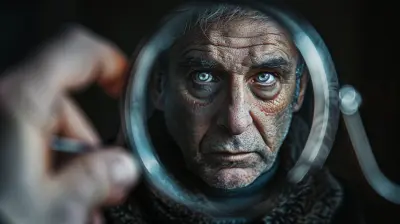
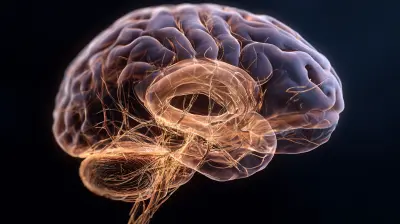
all images in this post were generated using AI tools
Category:
Psychosomatic DisordersAuthor:

Matilda Whitley
Discussion
rate this article
1 comments
Gemma Chavez
Psychosomatic illness whispers secrets about the mind-body connection. What if the real triggers lie not in the symptoms but in unspoken fears and buried emotions? Unraveling this mystery could change everything...
May 7, 2026 at 2:57 AM
Matilda Whitley
You're right. The mind-body connection is profound. Understanding those buried emotions could indeed transform our approach to healing.