How to Harness the Power of Visualization for Stress Relief
4 May 2026
Let's face it, stress is everywhere these days. Whether it's deadlines at work, never-ending to-do lists, social pressure, or just the day-to-day chaos of life—it all adds up. And while we can’t just snap our fingers and make our stress disappear, we can train our minds to better cope with it. That’s where visualization swoops in like a superhero in yoga pants.
So, what exactly is visualization? And how can it melt away stress like butter on a hot pan? In this post, we’re going to dive deep into the science, the practice, and the magic behind visualization. By the end, you’ll be armed with powerful techniques to calm your mind, soothe your nerves, and bring a sense of control back into your overstimulated life.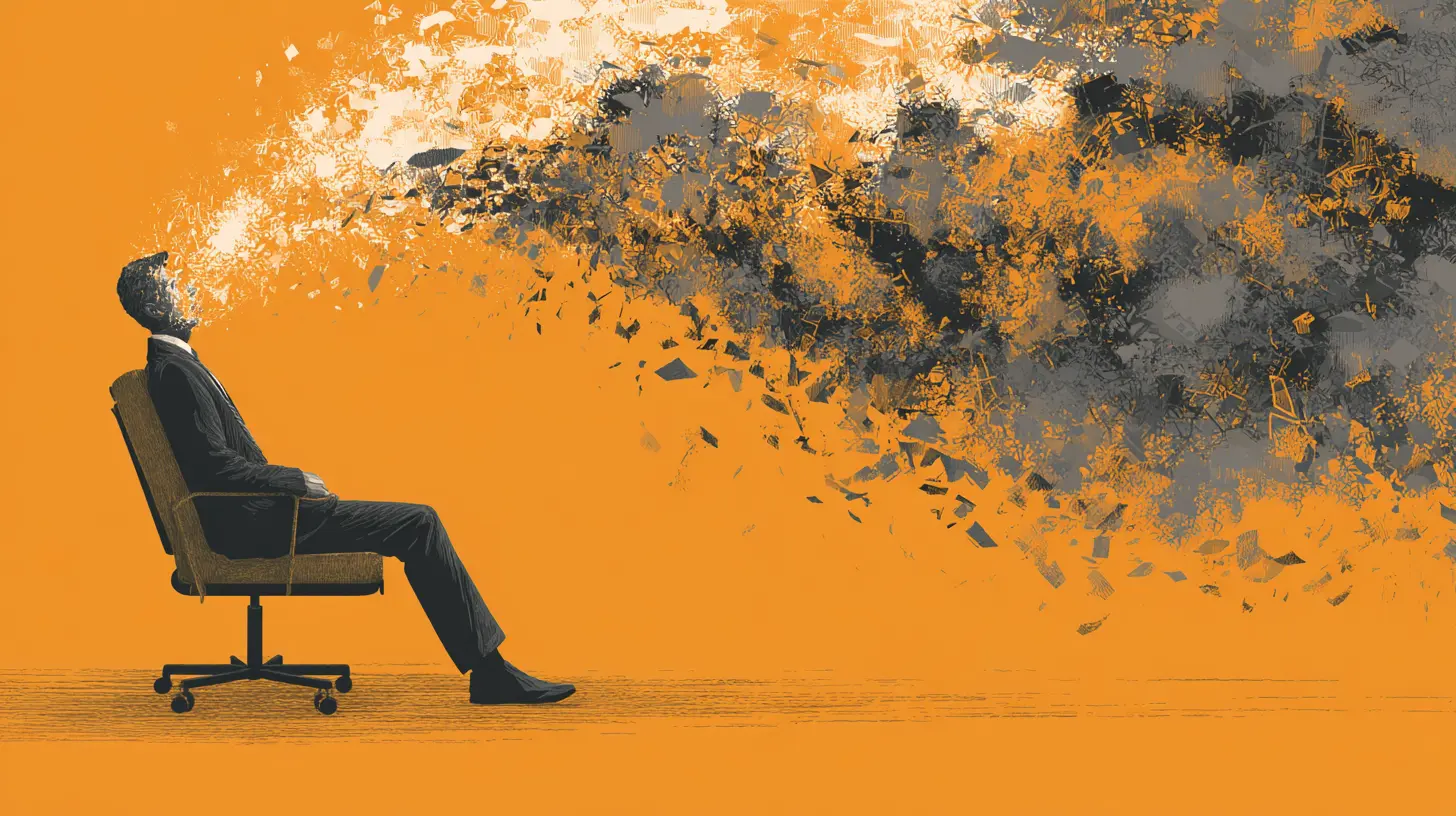
What Is Visualization?
Before we get into the how, let’s talk about the what. Visualization (sometimes called “guided imagery”) is a mental technique that involves creating vivid, detailed images in your mind to trigger relaxation and positive emotions.Imagine your favorite peaceful place—maybe a cabin in the woods, a quiet beach at sunset, or a hammock under a tree with birds chirping in the distance. When you mentally place yourself there, your brain doesn’t fully distinguish between imagination and reality. It begins to react as if you’re really in that calming environment.
Pretty powerful, right?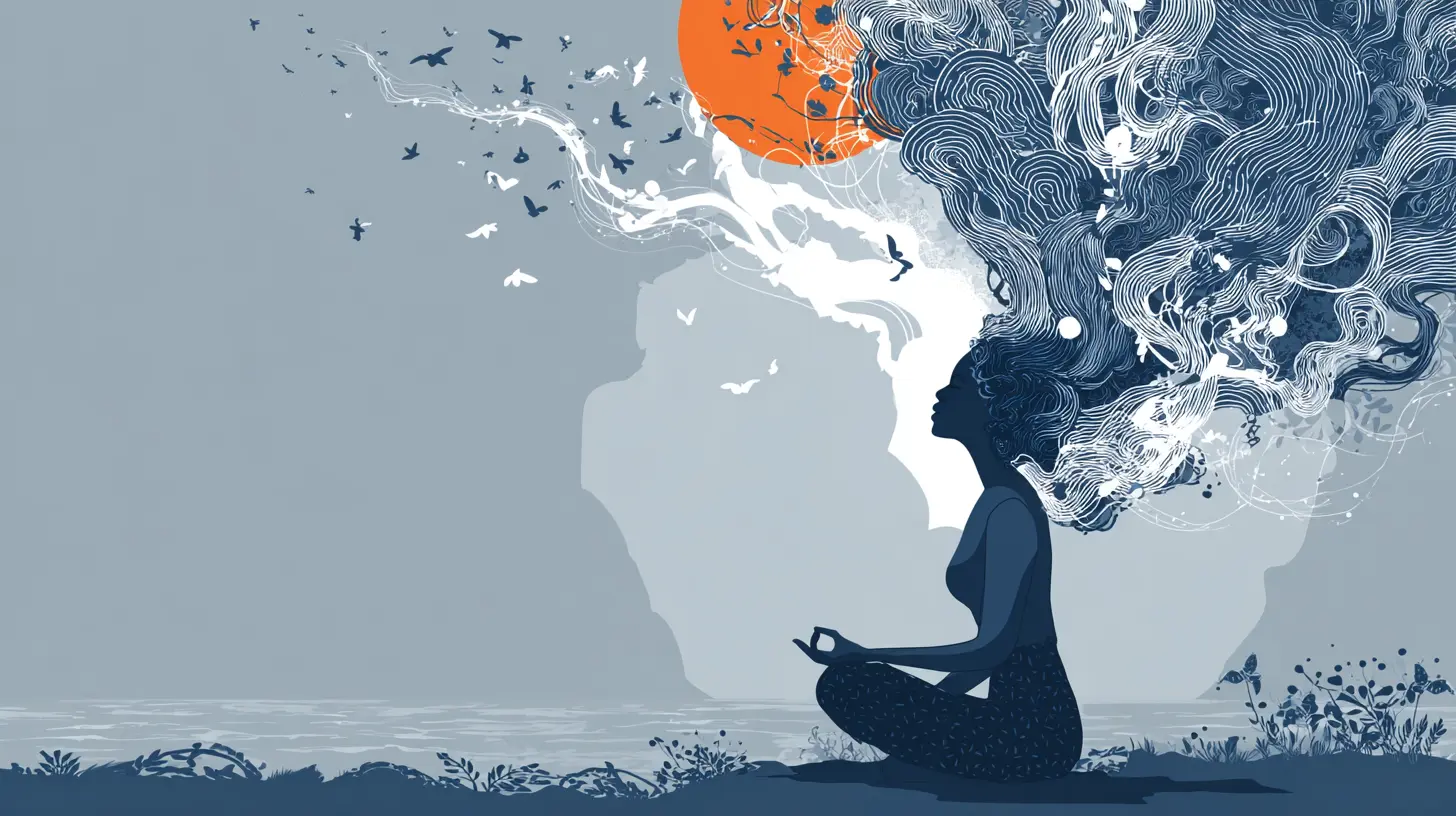
Why Visualization Works: The Science Behind It
You might be thinking, “Okay, but is this just wishful thinking?” Not at all. There’s real science that supports visualization as a tool for stress relief.When we’re stressed, our body flips on the fight-or-flight response. Cortisol spikes, heart rate increases, and our muscles tighten. Visualization helps activate the parasympathetic nervous system—the “rest and digest” state that counteracts that stress response.
Studies have shown that visualization:
- Reduces levels of cortisol (the stress hormone)
- Lowers heart rate and blood pressure
- Promotes emotional well-being
- Increases relaxation and mindfulness
Athletes, public speakers, and even CEOs use this technique not just for performance, but for calming anxiety and managing pressure. If it works for them, it can totally work for you too.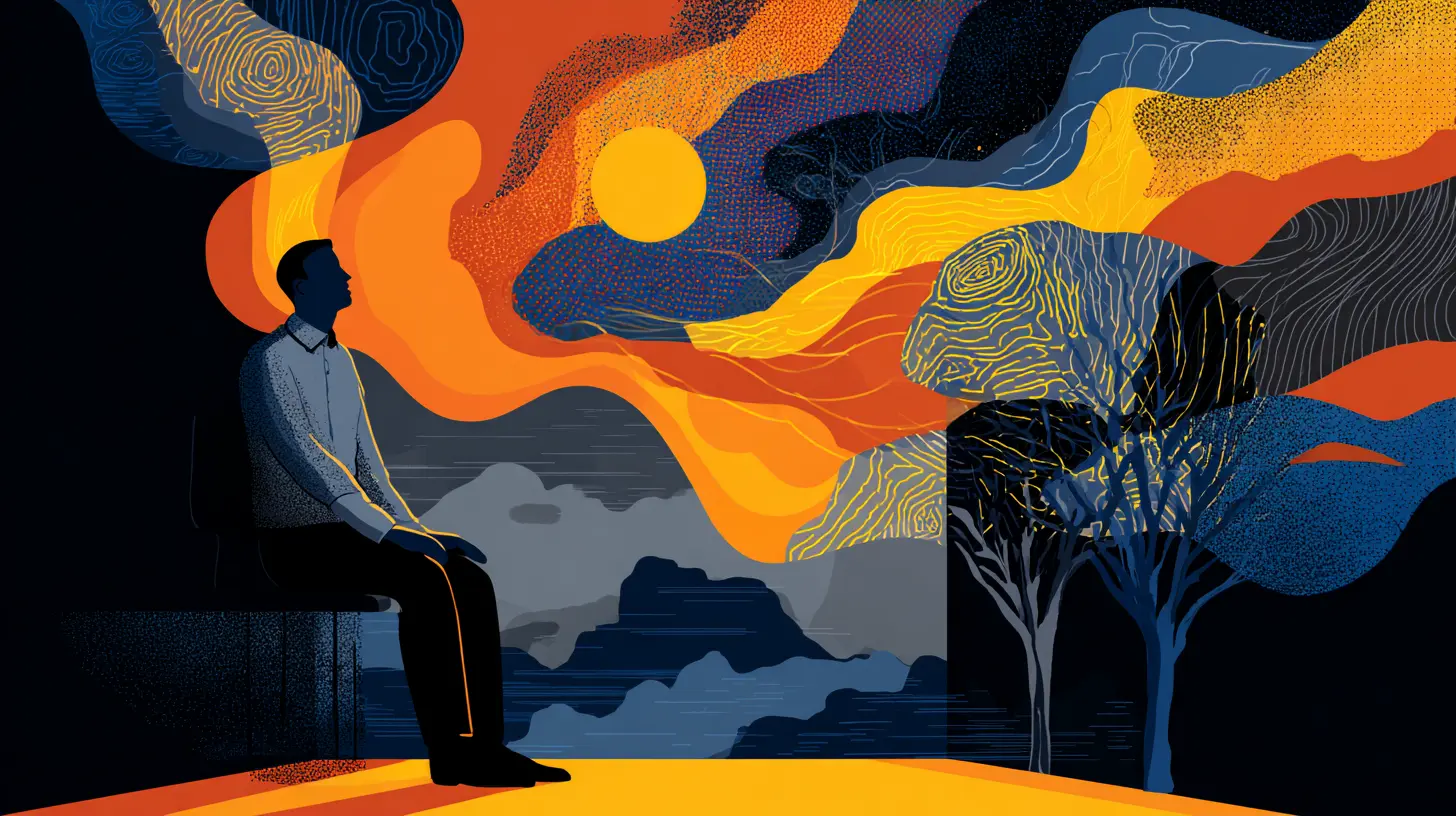
Visualization vs. Meditation: Are They the Same Thing?
Great question. The answer? Not exactly.Both practices involve the mind and promote relaxation, but they differ in focus. Meditation often encourages clearing the mind or focusing on the present moment. Visualization, on the other hand, is more about creating specific mental images and scenarios.
Think of meditation as tuning into silence, and visualization as watching your own personal movie where you get to direct the scenes.
You can also blend the two. Visualization can be a form of meditation, especially when it’s guided and intention-driven.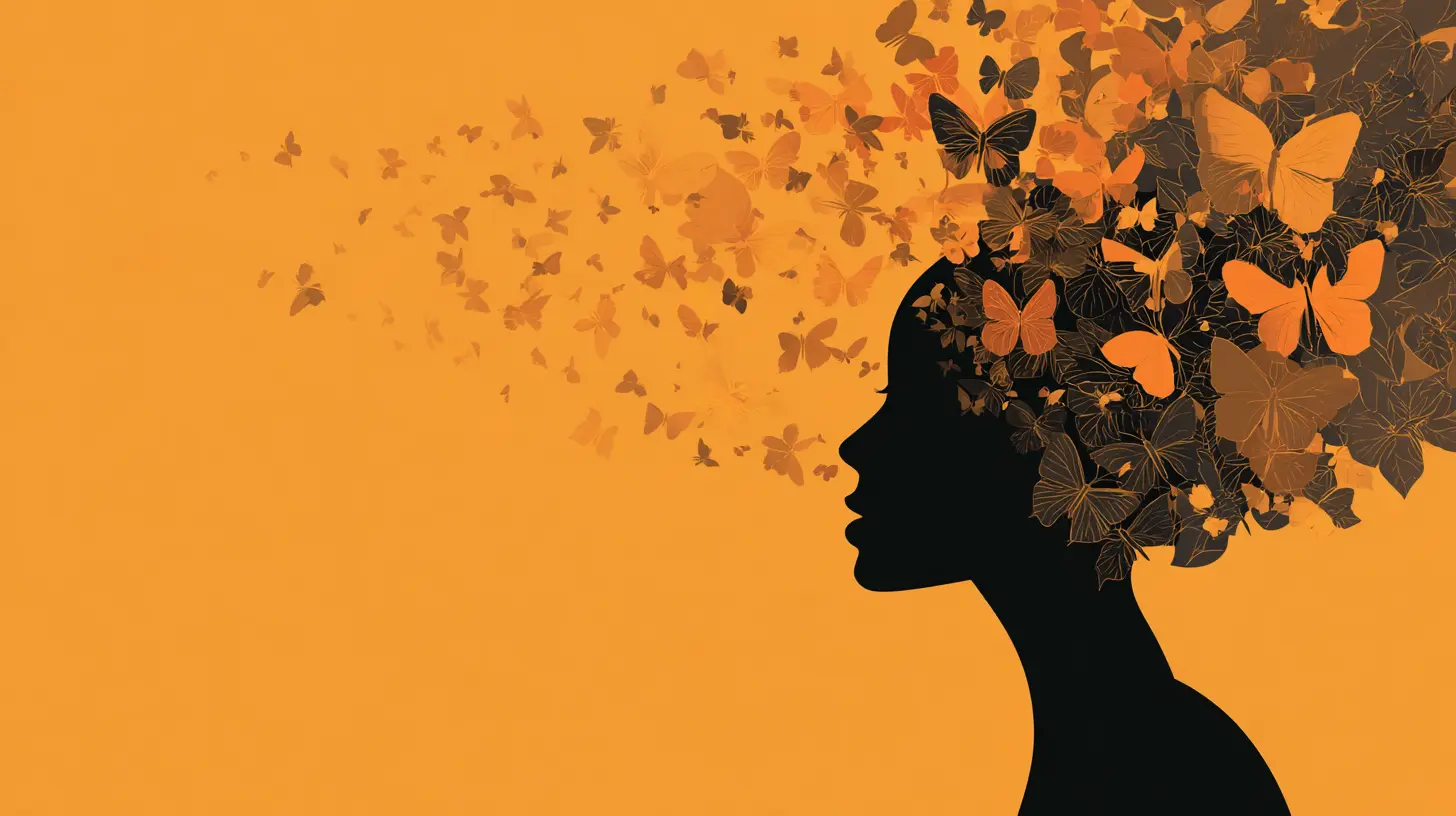
The Benefits of Using Visualization for Stress Relief
Let’s break down why you’d want to add visualization to your stress-taming toolbox:1. Fast-Acting Calm
Need relief right now? Visualization can shift your mood in minutes. Just closing your eyes and escaping to a safe, happy place can quickly reduce the symptoms of stress.2. No Special Equipment Needed
No need to invest in fancy gear or clear a yoga studio space in your living room. It’s just you, your mind, and maybe a few quiet moments.3. Versatile and Customizable
Visualization is your playground. You can tailor it to your preferences—a serene lake, a cozy fireplace, a bustling city café, even floating through space if that’s your jam.4. Supports Better Sleep
Stress is like that annoying person at a party who won’t leave—especially when you’re trying to sleep. Visualization helps quiet your thoughts and ease you into a more restful state.5. Rewires Your Mind for Positivity
Practicing visualization regularly can help reshape your mindset. It’s like doing push-ups for your brain—building mental resilience and positivity over time.How to Practice Visualization for Stress Relief
Alright, now for the meat and potatoes. How exactly do you do visualization? Don’t worry—it’s super straightforward, and there’s no “perfect” way to begin.Step 1: Find a Quiet Space
You don’t need absolute silence, but somewhere you won’t be constantly interrupted helps. Sit or lie down—whatever’s comfortable. Loosen up, breathe deeply, and close your eyes.Step 2: Set an Intention
Decide what you want to get out of the session. Calm your mind? Ease anxiety? Boost confidence for an upcoming meeting? Clarifying your goal helps steer the visualization.Step 3: Begin the Journey
Now imagine yourself in a place that makes you feel peaceful, safe, and happy. Really dive into the details. What does it look like? What sounds do you hear? What does the air feel like on your skin?Let’s say you’re imagining a beach:
- Hear the waves gently rolling in
- Feel the warm sun on your face
- Smell the salty air mixed with sunscreen
- Taste the coconut from your drink
- Let the sand slip through your fingers
Engaging all five senses makes the experience more immersive and powerful.
Step 4: Stay There for a While
Don’t rush the moment. It’s okay if your mind wanders; just gently pull it back. Spend anywhere from 5 to 15 minutes basking in your mental paradise.Step 5: Return Slowly and Reflect
When you’re ready, gently bring yourself back. Wiggle your fingers, stretch, open your eyes. Take a few moments to reflect on how you feel now compared to before.Tips for Getting the Most Out of Visualization
- Practice regularly: Just like any skill, it gets better with consistency.- Create a go-to mental “safe place”: A spot you can always return to quickly when you need stress relief on the fly.
- Use guided audios: There are tons of free apps and YouTube videos available with calming voices and scripts to help lead the way.
- Keep a journal: Reflecting on your experiences can deepen the effects and help track progress over time.
- Pair it with music or nature sounds: This can enhance the mental scene and help block out real-world distractions.
Real-Life Scenario: Using Visualization Before a Stressful Event
Let’s say you’ve got a big job interview or presentation coming up. You’re nervous (totally normal), and your heart is racing.Try this:
1. A few hours before the event, find a quiet space and sit comfortably.
2. Close your eyes and visualize yourself walking into the room confidently.
3. See yourself speaking clearly, answering questions with ease, and smiling.
4. Imagine the positive reactions of the people listening.
5. Feel the sense of accomplishment and relief wash over you as it ends.
You just mentally rehearsed success, which calms the nerves and builds confidence. You’re not just hoping it’ll go well—you’ve seen it go well.
Visualization Techniques You Can Try Today
Here are some beginner-friendly visualization techniques specifically for stress relief:1. The Safe Place Technique
Create a mental image of your personal sanctuary. Add sights, sounds, smells, and emotions. Use this any time you need a quick emotional reset.2. Color Breathing
Imagine breathing in a calming color (like blue) and exhaling a stressful one (like gray or black). Each breath washes your body with calm.3. The Healing Light Visualization
Visualize a warm, healing light slowly moving through your body, relaxing muscles and dissolving tension.4. Float on a Cloud
Picture yourself lying on a soft, fluffy cloud, floating gently through a blue sky. Let the cloud carry away your stress.When to Use Visualization (Spoiler: Anytime!)
- First thing in the morning to set a calm tone for the day- During your lunch break to reset your mindset
- At bedtime to help you unwind and sleep better
- Right before or after a stressful conversation
- When stuck in traffic (just keep your eyes open!)
Final Thoughts: Your Mind Is Your Powerhouse
You don’t need to escape to Bali or book a pricey spa retreat to find peace. Your mind already holds the key. Visualization is such a simple but incredibly effective way to lower your stress and boost your quality of life.Think of it like mental gardening—you plant seeds of peace, tend to them with practice, and eventually, your mind blooms into a calmer, more balanced space.
The best part? It’s free, always available, and no one even needs to know you’re doing it. Kinda like a secret weapon against stress.
So, are you ready to picture your way to peace?
all images in this post were generated using AI tools
Category:
Self HelpAuthor:

Matilda Whitley
Discussion
rate this article
1 comments
Cambria McMillen
This article offers practical insights on using visualization to manage stress. The techniques outlined can help anyone create a calming mental space and improve overall well-being. A must-read!
May 13, 2026 at 2:47 PM
Matilda Whitley
I appreciate your feedback! I'm glad you found the techniques helpful for stress relief and well-being.