What Pennsylvania’s AI chatbot lawsuit teaches us about the psychology behind medical trust
June 5, 2026 - 20:22
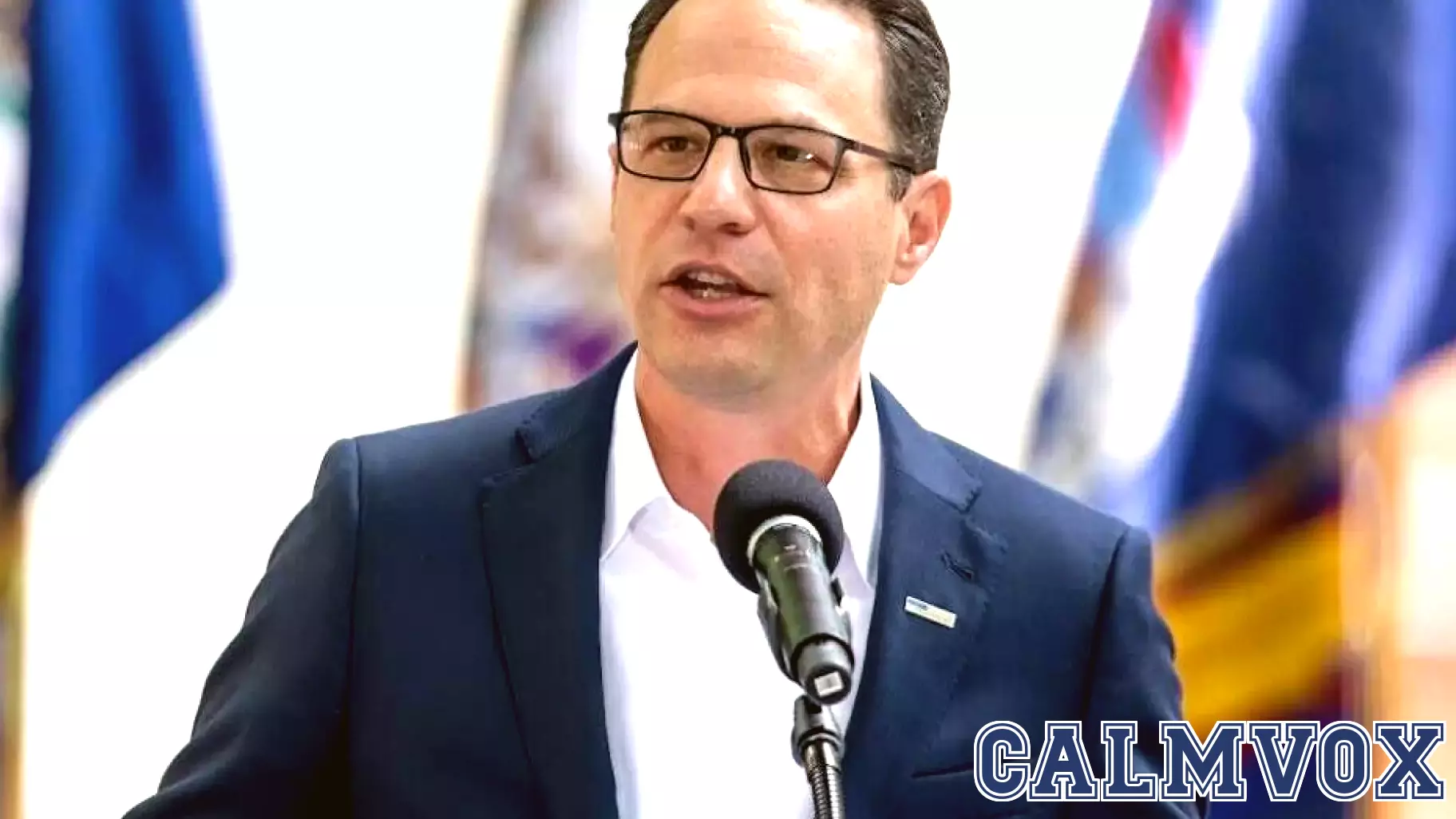
A new lawsuit in Pennsylvania is raising urgent questions about how artificial intelligence chatbots can exploit the brain's natural tendency to trust, according to a Carnegie Mellon researcher who studies the intersection of technology and human psychology. The case centers on a medical advice chatbot that allegedly provided harmful guidance to a patient, leading to serious health complications. The researcher argues that this incident is not an isolated glitch but a predictable outcome of how our brains process information from conversational AI.
The human mind, the researcher explains, is wired to perceive fluent, conversational language as a sign of competence and authority. When a chatbot uses a friendly tone and responds quickly, the brain's social cognition centers activate, treating the AI almost like a human expert. This "automation bias" makes people less likely to question the advice, especially in high-stakes medical contexts where anxiety is high. The Pennsylvania lawsuit highlights a dangerous gap: users often assume a chatbot has been vetted for accuracy, when in reality, many are trained on vast, unverified datasets.
The researcher warns that as AI becomes more conversational, the illusion of understanding deepens. People may share sensitive symptoms or follow treatment suggestions without a second thought, precisely because the interaction feels so natural. The lawsuit serves as a critical case study, showing that the technology's greatest strength - its ability to mimic human conversation - is also its greatest risk. Until regulations catch up, the burden falls on users to remember that a confident, friendly chatbot is not a doctor, and that trust must be earned, not simulated.
MORE NEWS
July 20, 2026 - 23:38
Will Human-Like AI Exploit Our Psychology?Have you been on a customer service phone call recently and found yourself wondering whether you are actually talking to a human or to an AI voice agent? Or maybe you have heard of people with AI...

July 20, 2026 - 04:49
The Quiet Power of Women Who Thrive Alone: A Look Inside the Psychology of Self-CompanionshipA new wave of social media content is celebrating a simple but profound ritual: getting dressed, grabbing coffee, and enjoying `banger music` alone. But for many women, this is more than just a...

July 19, 2026 - 15:07
Psychology says the loneliest people in a room are often the most socially skilled because they learned early to perform connection instead of feel itThere is a person at every party you have ever been to. Maybe you have been them. They work the room like it is choreography. They remember your kid`s name and ask about your job. They laugh at the...
July 18, 2026 - 21:46
Psychology says people who constantly correct others may not be trying to annoy youIf you have ever been around someone who seems to jump at every small mistake you make, you might assume they are just trying to get under your skin. But psychology suggests the motivation is often...