What Mattering Changes in the Classroom
June 5, 2026 - 05:50
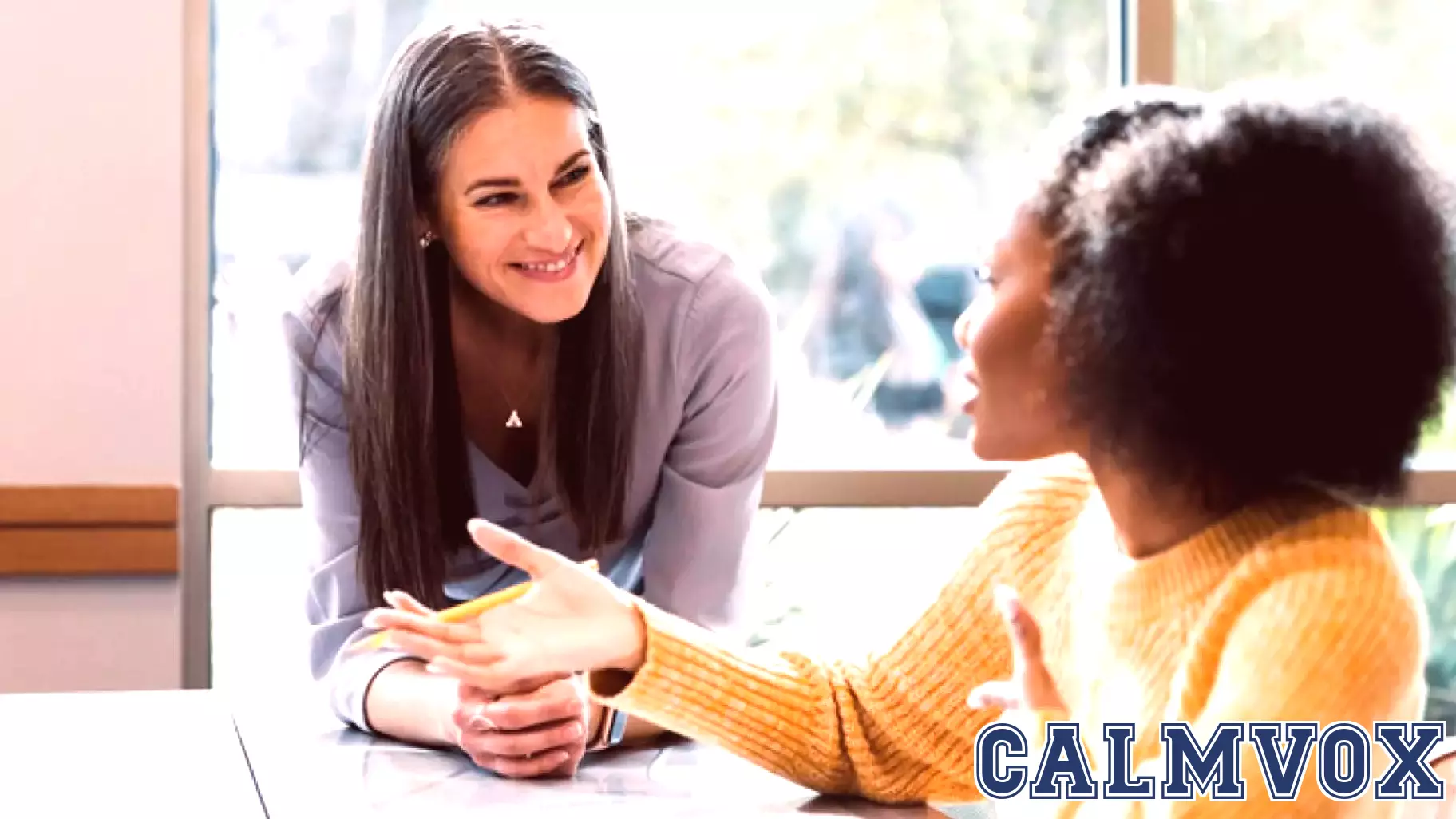
For years, schools have focused on helping students feel like they belong. Posters in hallways promote inclusion. Teachers use icebreakers to build community. Counselors check in on kids who eat lunch alone. But belonging alone is not enough. A student can sit in a classroom every day, feel accepted by peers, and still believe that if they stopped showing up, no one would really notice. That gap between belonging and being missed is where the concept of mattering comes in.
Mattering goes beyond inclusion. It means a student knows their presence has weight. Their ideas get heard. Their struggles get seen. Their absence leaves a hole. Researchers have found that when students feel they matter, they show up more, engage deeper, and persist through challenges. They stop feeling like a face in the crowd and start feeling like someone whose contribution counts.
The problem is that many schools talk about belonging but skip the harder work of making each student feel irreplaceable. A student might feel welcome in a club but still think no one would care if they quit. A teenager might have friends in class but never raise a hand because they assume their answer does not matter. That quiet belief erodes motivation over time.
Simple shifts can change this. Teachers can learn names and use them. They can ask specific questions about a student's interests, not just their grades. They can notice when a student is missing and say so. They can give students real responsibility in class, not just busywork. When a student is trusted to lead a discussion or organize a project, they start to see themselves as someone who matters.
The research is clear. Mattering is not a soft extra. It is a core condition for learning. Schools that ignore it may have high belonging scores but still lose students who never felt they were needed. The next step is not just to make students feel welcome. It is to make them feel essential.
MORE NEWS

July 20, 2026 - 04:49
The Quiet Power of Women Who Thrive Alone: A Look Inside the Psychology of Self-CompanionshipA new wave of social media content is celebrating a simple but profound ritual: getting dressed, grabbing coffee, and enjoying `banger music` alone. But for many women, this is more than just a...

July 19, 2026 - 15:07
Psychology says the loneliest people in a room are often the most socially skilled because they learned early to perform connection instead of feel itThere is a person at every party you have ever been to. Maybe you have been them. They work the room like it is choreography. They remember your kid`s name and ask about your job. They laugh at the...

July 18, 2026 - 21:46
Psychology says people who constantly correct others may not be trying to annoy youIf you have ever been around someone who seems to jump at every small mistake you make, you might assume they are just trying to get under your skin. But psychology suggests the motivation is often...

July 17, 2026 - 18:53
2 ‘Lazy’ Weekend Habits That Recharge Relationships, By A PsychologistNew research in relationship psychology suggests that the most effective way to strengthen a long-term partnership is not through grand gestures or elaborate date nights, but through two...