Understanding the Brain's Panic Mechanism
January 10, 2025 - 10:09
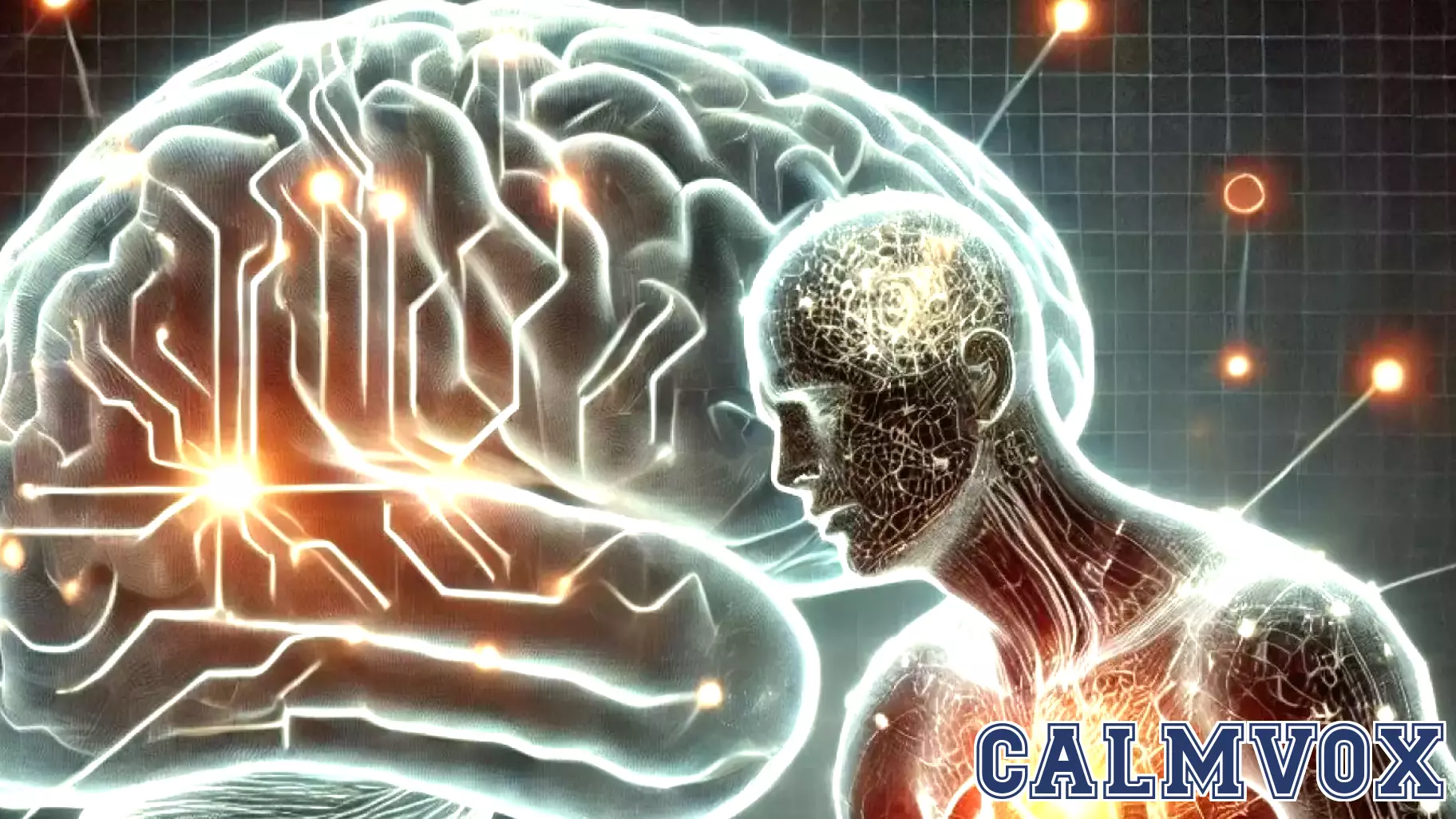
Recent research has unveiled critical insights into the brain circuits responsible for panic attacks, paving the way for innovative treatments for panic disorder. Scientists have meticulously studied the neural pathways that trigger these overwhelming episodes, which often leave individuals feeling helpless and anxious.
By employing advanced imaging techniques and experimental models, researchers have pinpointed specific areas in the brain that become activated during panic attacks. This groundbreaking discovery not only enhances our understanding of the neurobiological underpinnings of panic but also opens avenues for developing targeted therapies.
The findings suggest that by modulating these identified circuits, it may be possible to alleviate the symptoms associated with panic disorder. This could lead to more effective treatment options for those who suffer from this debilitating condition, ultimately improving their quality of life. As research continues, the hope is to transform the landscape of panic disorder management, offering relief to millions affected worldwide.
MORE NEWS

July 15, 2026 - 00:31
Psychology says people who remain kind despite a difficult life aren't weak or in denial — they're often running on a kind of strength that only forms under sustained pressure, the way certain metals doThis resilience is not about ignoring pain. It is about processing it without letting it turn into bitterness. When someone faces betrayal, loss, or chronic struggle and still chooses empathy, they...

July 14, 2026 - 13:58
Psychology says people who are scared of darkness aren't necessarily weak, they may experience uncertaintyFor generations, being afraid of the dark has been dismissed as childish or a sign of weakness. But recent psychological perspectives challenge that assumption. Experts now suggest that a fear of...

July 13, 2026 - 21:52
Psychology says students who are backbenchers aren't trying to hide themselves, they may be choosing theiFor years, students who sit in the back of the classroom have been labeled as lazy, rebellious, or disengaged. Teachers and parents often assume they are trying to avoid attention or escape...

July 13, 2026 - 00:51
Psychology says people who keep clothes on a chair aren't untidy, they may be creating a practical middleFor years, leaving a pile of clothes draped over a chair has been seen as a sign of laziness or clutter. But a growing number of psychologists argue that this habit is actually a sign of a...