Understanding Our Brain's Desire for Ideology
April 12, 2025 - 12:50
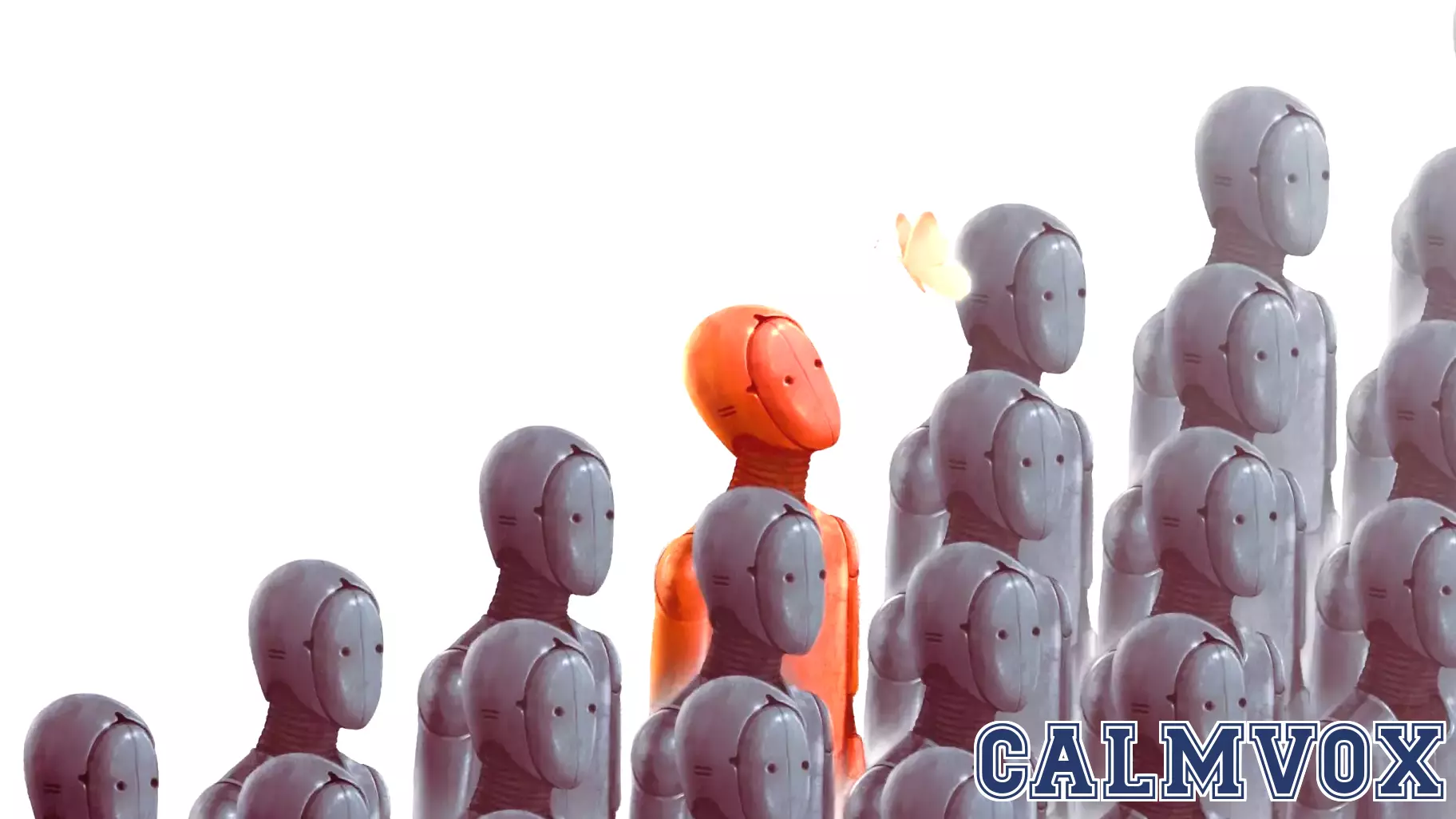
A neuroscientist has shed light on the reasons behind our brain's craving for ideology and how we can foster more authentic and flexible thinking. In a world increasingly polarized by differing beliefs, understanding the neurological underpinnings of ideology can help individuals navigate their thoughts and interactions more effectively.
Research indicates that our brains are wired to seek out patterns and make sense of complex information. This desire for structure often leads us to adopt rigid ideologies that provide comfort and certainty. However, this can also stifle creativity and limit our ability to engage with diverse perspectives.
To nurture more flexible thinking, experts suggest practices such as mindfulness and open dialogue. Engaging with differing viewpoints and challenging our own beliefs can expand our cognitive horizons. By fostering an environment that encourages curiosity and critical thinking, we can cultivate a more nuanced understanding of the world around us. Embracing this approach not only benefits individual growth but can also contribute to a more cohesive society.
MORE NEWS

July 15, 2026 - 00:31
Psychology says people who remain kind despite a difficult life aren't weak or in denial — they're often running on a kind of strength that only forms under sustained pressure, the way certain metals doThis resilience is not about ignoring pain. It is about processing it without letting it turn into bitterness. When someone faces betrayal, loss, or chronic struggle and still chooses empathy, they...

July 14, 2026 - 13:58
Psychology says people who are scared of darkness aren't necessarily weak, they may experience uncertaintyFor generations, being afraid of the dark has been dismissed as childish or a sign of weakness. But recent psychological perspectives challenge that assumption. Experts now suggest that a fear of...

July 13, 2026 - 21:52
Psychology says students who are backbenchers aren't trying to hide themselves, they may be choosing theiFor years, students who sit in the back of the classroom have been labeled as lazy, rebellious, or disengaged. Teachers and parents often assume they are trying to avoid attention or escape...

July 13, 2026 - 00:51
Psychology says people who keep clothes on a chair aren't untidy, they may be creating a practical middleFor years, leaving a pile of clothes draped over a chair has been seen as a sign of laziness or clutter. But a growing number of psychologists argue that this habit is actually a sign of a...