Understanding Flight Anxiety: Insights from a Neuroscientist
January 22, 2025 - 03:56
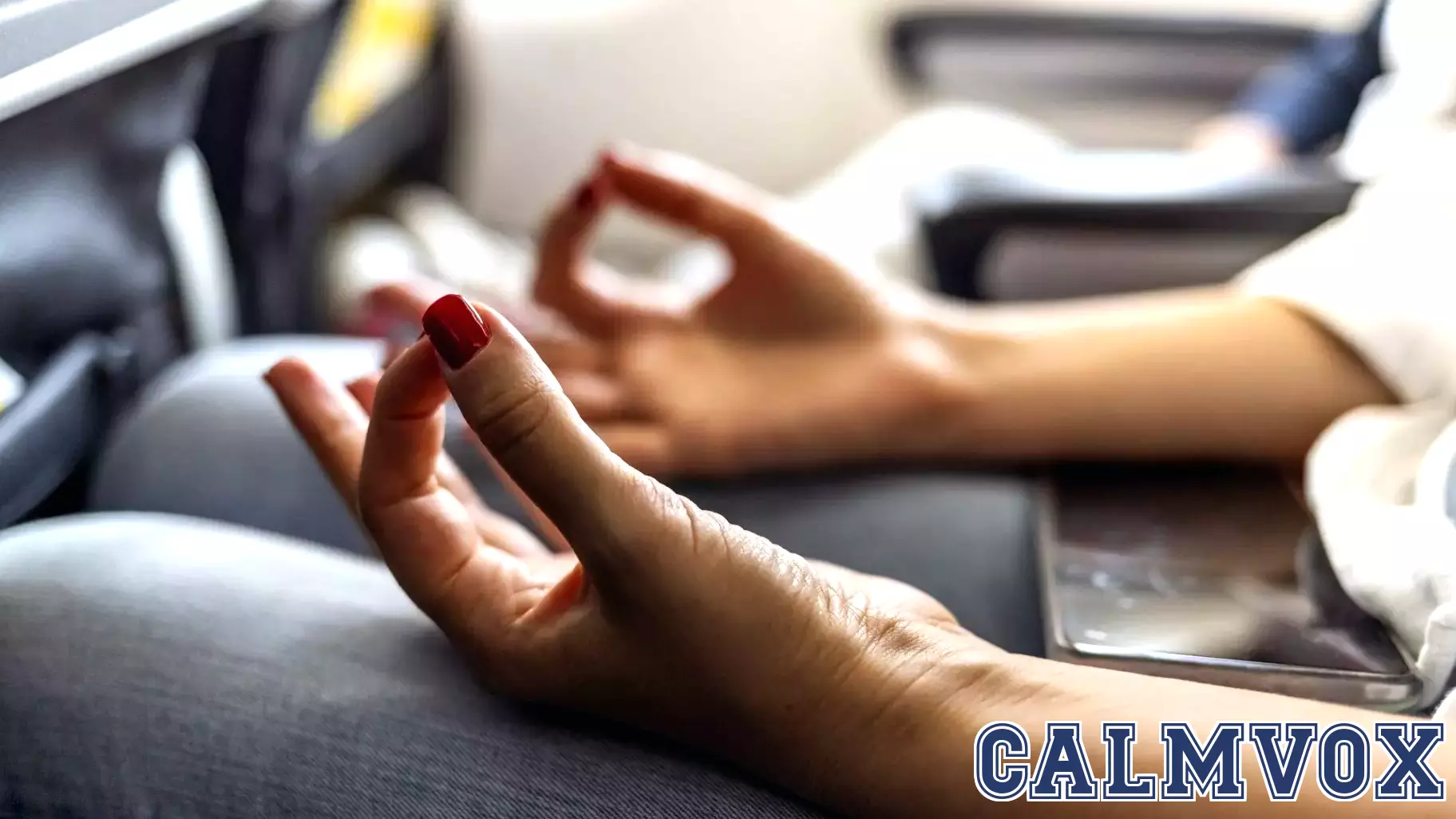
Travel anxiety is a prevalent issue that many individuals face, particularly in the wake of recent global events. A remarkable surge of 5614 percent in Google searches related to flight anxiety was recorded in January, highlighting the growing concern among travelers. Dr. Brain Ramos, a neuroscientist and brain health expert, has provided valuable insights into the psychological factors contributing to this phenomenon.
According to Dr. Ramos, flight anxiety often stems from a combination of fear of the unknown, lack of control, and previous negative experiences associated with flying. Many individuals may feel overwhelmed by the prospect of being in an enclosed space at high altitudes, leading to heightened stress and anxiety levels.
To combat this anxiety, Dr. Ramos suggests several strategies. Techniques such as deep breathing, visualization, and mindfulness can help individuals manage their fears. Additionally, educating oneself about the flight process and engaging in calming activities before and during the flight can significantly reduce anxiety levels. By understanding the psychological underpinnings of flight anxiety, travelers can take proactive steps to ensure a more comfortable flying experience.
MORE NEWS

July 15, 2026 - 00:31
Psychology says people who remain kind despite a difficult life aren't weak or in denial — they're often running on a kind of strength that only forms under sustained pressure, the way certain metals doThis resilience is not about ignoring pain. It is about processing it without letting it turn into bitterness. When someone faces betrayal, loss, or chronic struggle and still chooses empathy, they...

July 14, 2026 - 13:58
Psychology says people who are scared of darkness aren't necessarily weak, they may experience uncertaintyFor generations, being afraid of the dark has been dismissed as childish or a sign of weakness. But recent psychological perspectives challenge that assumption. Experts now suggest that a fear of...

July 13, 2026 - 21:52
Psychology says students who are backbenchers aren't trying to hide themselves, they may be choosing theiFor years, students who sit in the back of the classroom have been labeled as lazy, rebellious, or disengaged. Teachers and parents often assume they are trying to avoid attention or escape...

July 13, 2026 - 00:51
Psychology says people who keep clothes on a chair aren't untidy, they may be creating a practical middleFor years, leaving a pile of clothes draped over a chair has been seen as a sign of laziness or clutter. But a growing number of psychologists argue that this habit is actually a sign of a...