Understanding Empathy Deficits: Distinguishing Between Autism, Narcissism, and Psychopathy
July 30, 2025 - 19:18
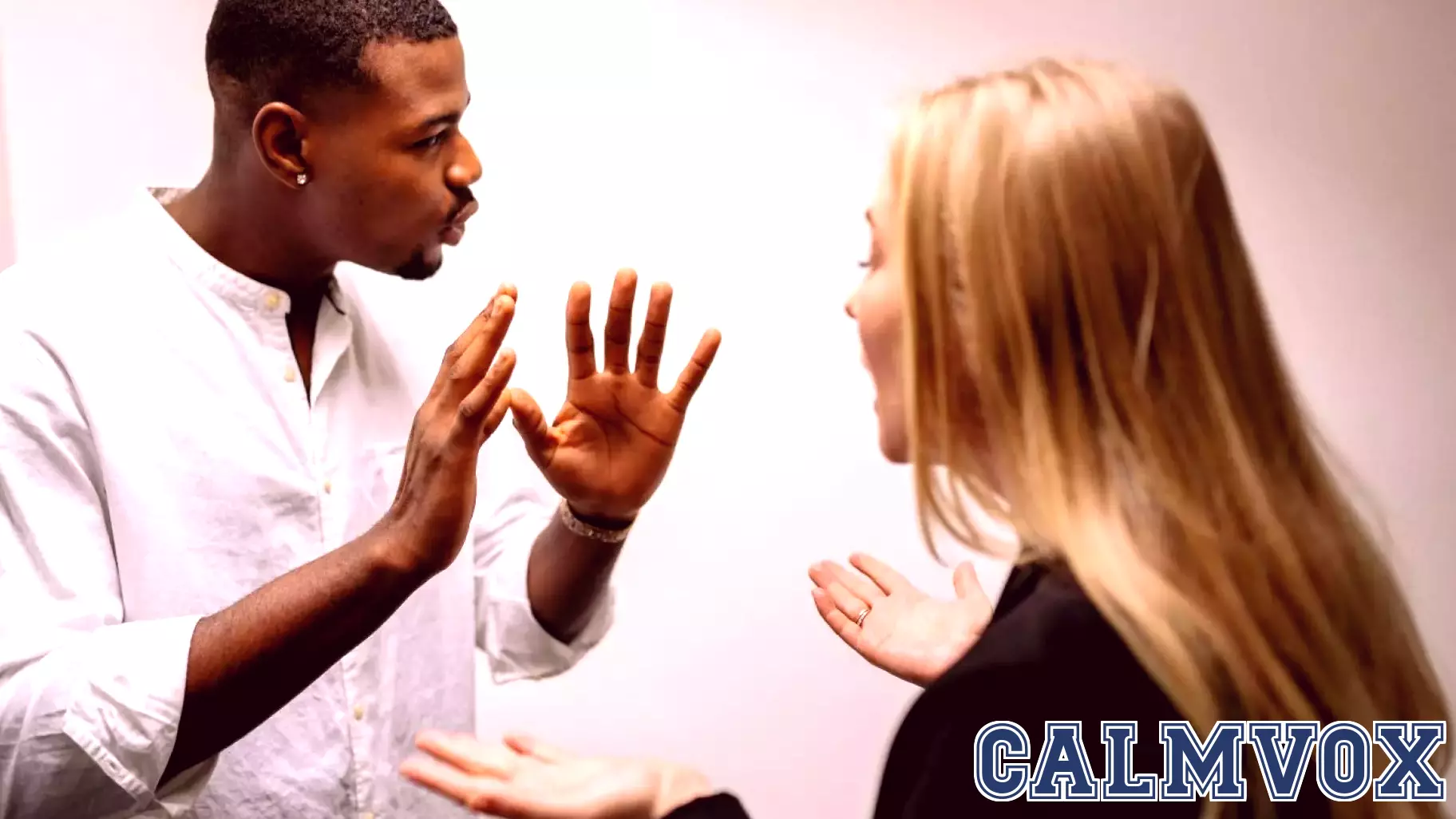
Not all empathy deficits are the same, and it's crucial to differentiate between various conditions such as autism, narcissism, and psychopathy. Each of these conditions presents unique characteristics and underlying mechanisms that shape an individual's behavior and emotional responses.
Autism spectrum disorder often involves challenges in social communication and understanding social cues, which can result in perceived empathy deficits. However, this does not equate to a lack of care or concern; many individuals on the spectrum exhibit deep empathy but may express it differently.
In contrast, narcissism is characterized by an inflated sense of self-importance and a lack of empathy toward others. Narcissistic individuals may manipulate or exploit relationships for their gain, often leading to harmful interactions.
Psychopathy, on the other hand, features a more profound emotional detachment and a propensity for antisocial behavior. Understanding these distinctions is vital to avoid mislabeling individuals and to foster a more compassionate view of neurodiversity. Recognizing the nuances in empathy deficits can help in developing more effective support systems and interventions tailored to individual needs.
MORE NEWS

July 15, 2026 - 00:31
Psychology says people who remain kind despite a difficult life aren't weak or in denial — they're often running on a kind of strength that only forms under sustained pressure, the way certain metals doThis resilience is not about ignoring pain. It is about processing it without letting it turn into bitterness. When someone faces betrayal, loss, or chronic struggle and still chooses empathy, they...

July 14, 2026 - 13:58
Psychology says people who are scared of darkness aren't necessarily weak, they may experience uncertaintyFor generations, being afraid of the dark has been dismissed as childish or a sign of weakness. But recent psychological perspectives challenge that assumption. Experts now suggest that a fear of...

July 13, 2026 - 21:52
Psychology says students who are backbenchers aren't trying to hide themselves, they may be choosing theiFor years, students who sit in the back of the classroom have been labeled as lazy, rebellious, or disengaged. Teachers and parents often assume they are trying to avoid attention or escape...

July 13, 2026 - 00:51
Psychology says people who keep clothes on a chair aren't untidy, they may be creating a practical middleFor years, leaving a pile of clothes draped over a chair has been seen as a sign of laziness or clutter. But a growing number of psychologists argue that this habit is actually a sign of a...