The psychology of ‘Friends:’ what the sitcom reveals about us
May 22, 2026 - 19:09
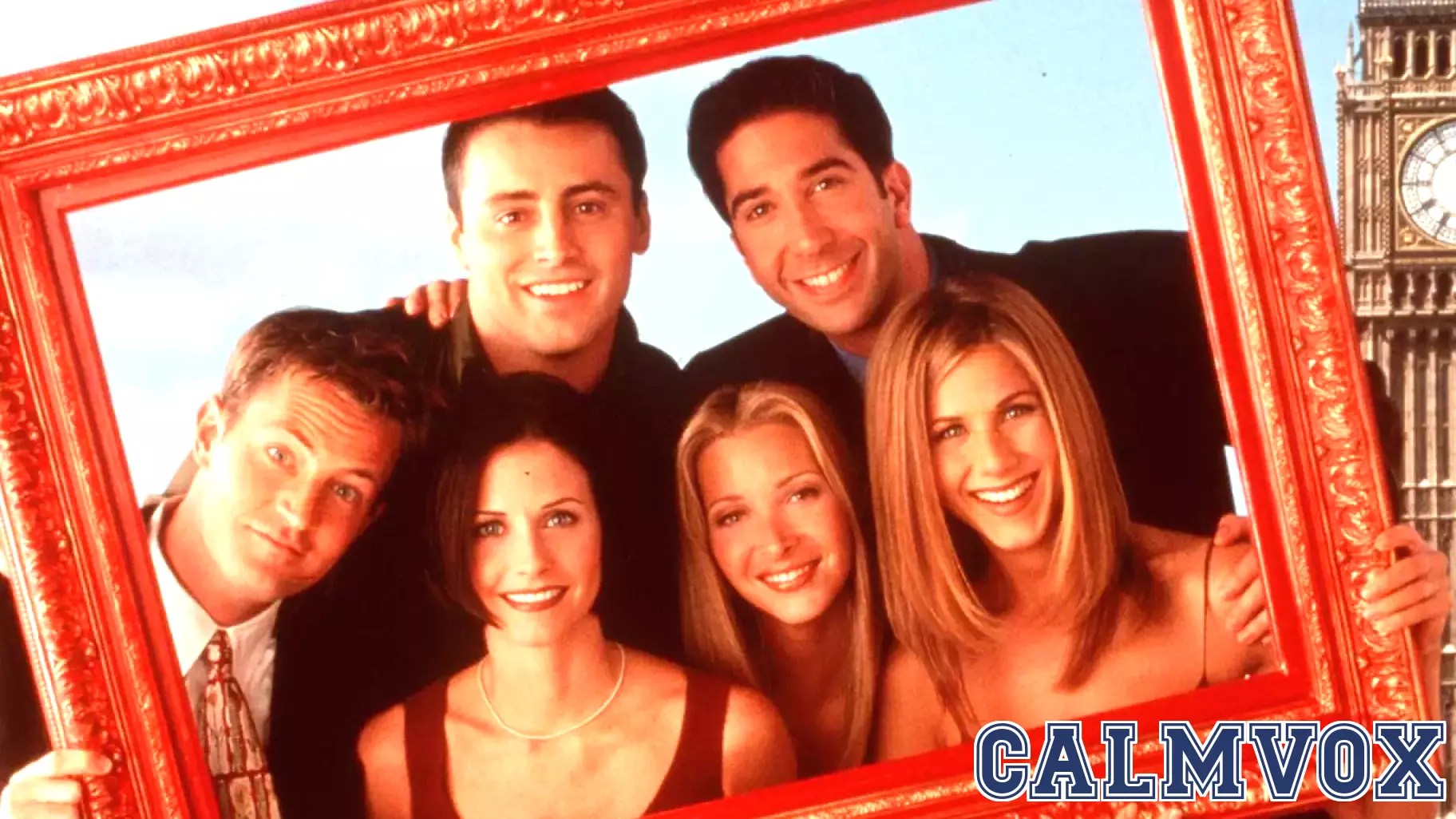
A therapist has taken a deep look at the long-running sitcom "Friends" and found that its appeal goes far beyond the laugh track. While the show is often remembered for its catchphrases and coffee shop hangouts, the characters actually offer a window into real psychological patterns, from attachment styles to personal growth.
The therapist points out that each main character represents a different way of dealing with relationships. Monica's need for control and order, for example, can be seen as a response to childhood feelings of being overlooked. Chandler's sarcasm and fear of commitment are classic signs of an avoidant attachment style, often rooted in his parents' divorce. Ross, on the other hand, displays anxious attachment through his jealousy and need for reassurance.
The show also demonstrates how people can change over time. Rachel starts as a dependent person who relies on her father's credit card and ends as a self-sufficient career woman. This arc mirrors the real-life process of individuation, where a person learns to stand on their own. Even Phoebe, with her seemingly random behavior, shows the value of embracing a non-conformist identity.
The therapist notes that the sitcom's enduring popularity comes from this honesty. Viewers see their own struggles with friendship, jealousy, and fear of change reflected in the characters. The show suggests that growth is possible, but it often happens slowly, with setbacks and awkward moments. In the end, "Friends" works because it is not just about jokes. It is about how people learn to trust, forgive, and become better versions of themselves, one episode at a time.
MORE NEWS

August 20, 2026 - 22:13
Psychology says people who keep unused gift cards for years may value having future optionsAn unused gift card can reveal a fascinating psychological paradox. It was created to be spent, yet for some people, part of its appeal may come from holding onto it rather than using it. New...

August 20, 2026 - 03:27
Ocala Forest High & UF Grad Uses Poker Psychology to Help Local Businesses ScaleLaird, who spent years reading opponents and managing risk at high-stakes tables, says the core skills translate directly to business strategy. `In poker, you learn to separate emotion from...

August 19, 2026 - 02:43
Why are we so obsessed with true crime? Hint: It’s not just morbid curiosityThe true crime genre has exploded in recent years, dominating podcast charts, streaming services, and bookstore shelves. While it is easy to dismiss this fascination as simple ghoulishness,...

August 18, 2026 - 11:23
Psychology says people who carry one mug to the kitchen instead of waiting to carry four aren't tidy or impatient — they're spending real physical effort to stop holding the task in their head, and researchers have a word for it: precrastinationMost people have a coworker or family member who cannot leave a dirty mug on the desk for more than a minute. They jump up, walk to the kitchen, and wash it immediately, even if they know they will...