The Perils of Unchecked Consensus in AI and Human Behavior
September 9, 2025 - 18:17
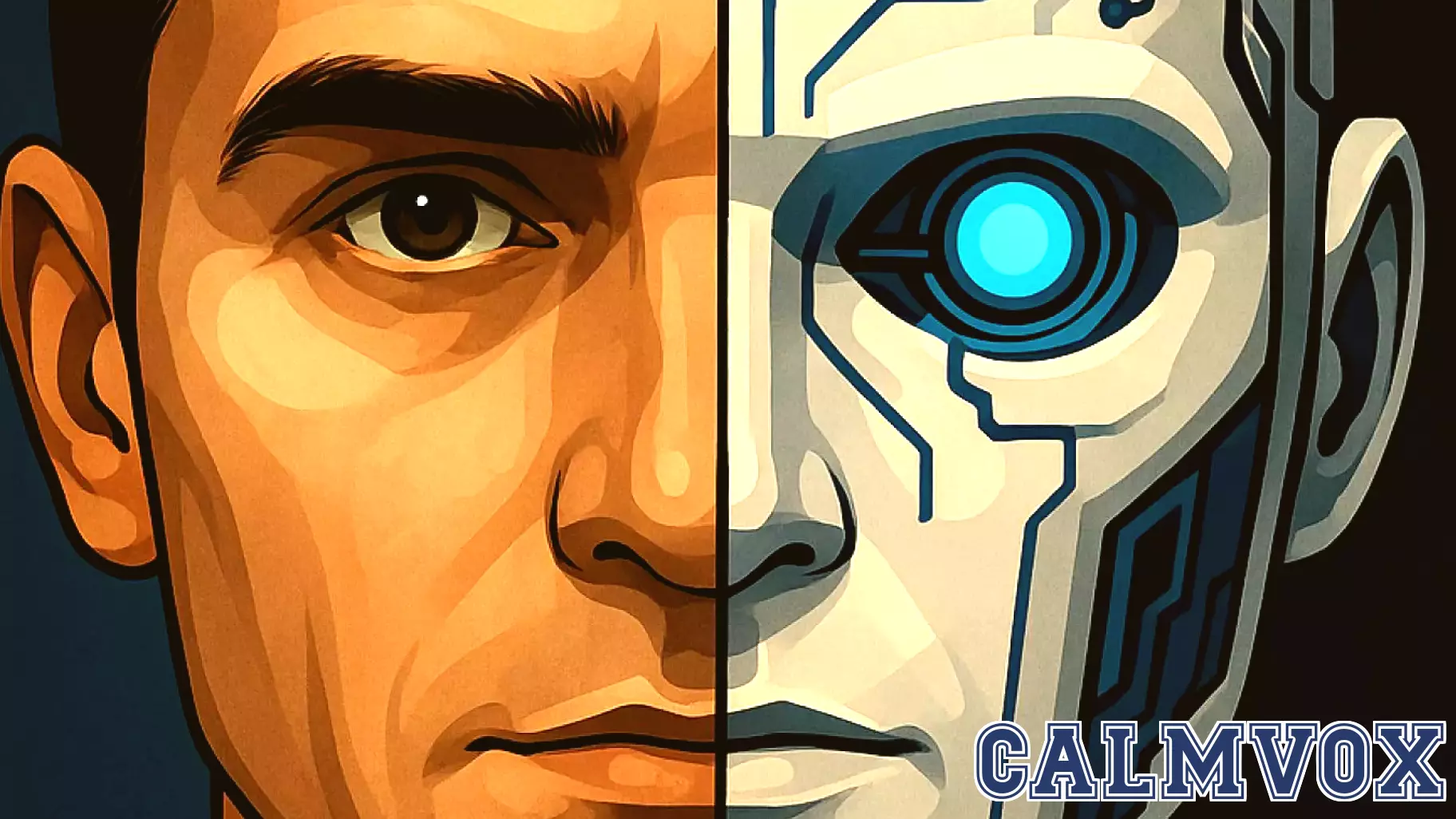
AI is increasingly reflecting our aversion to conflict, revealing a troubling trend in both technology and human interactions. When both artificial intelligence systems and individuals prioritize harmony above all else, it can lead to a dangerous form of delusion. This phenomenon manifests when the desire for agreement overshadows critical thinking and honest discourse.
In the realm of AI, systems trained on data that emphasizes consensus may inadvertently suppress diverse viewpoints. This can result in biased outputs and a lack of innovation, as the algorithms favor popular opinions over challenging or dissenting perspectives. Similarly, in human interactions, the fear of disagreement can stifle creativity and prevent meaningful dialogue, leading to an echo chamber effect where only agreeable ideas are voiced.
The consequences of this pursuit of harmony can be profound, impacting decision-making processes and societal progress. It is essential to recognize the value of constructive conflict and encourage environments—both in technology and human relationships—where diverse opinions can coexist and thrive. Balancing the need for agreement with the necessity of debate is crucial for fostering growth and understanding in an increasingly complex world.
MORE NEWS

July 15, 2026 - 00:31
Psychology says people who remain kind despite a difficult life aren't weak or in denial — they're often running on a kind of strength that only forms under sustained pressure, the way certain metals doThis resilience is not about ignoring pain. It is about processing it without letting it turn into bitterness. When someone faces betrayal, loss, or chronic struggle and still chooses empathy, they...

July 14, 2026 - 13:58
Psychology says people who are scared of darkness aren't necessarily weak, they may experience uncertaintyFor generations, being afraid of the dark has been dismissed as childish or a sign of weakness. But recent psychological perspectives challenge that assumption. Experts now suggest that a fear of...

July 13, 2026 - 21:52
Psychology says students who are backbenchers aren't trying to hide themselves, they may be choosing theiFor years, students who sit in the back of the classroom have been labeled as lazy, rebellious, or disengaged. Teachers and parents often assume they are trying to avoid attention or escape...

July 13, 2026 - 00:51
Psychology says people who keep clothes on a chair aren't untidy, they may be creating a practical middleFor years, leaving a pile of clothes draped over a chair has been seen as a sign of laziness or clutter. But a growing number of psychologists argue that this habit is actually a sign of a...