The Influence of True Crime Shows on Forensic Psychology Education
July 15, 2025 - 06:17
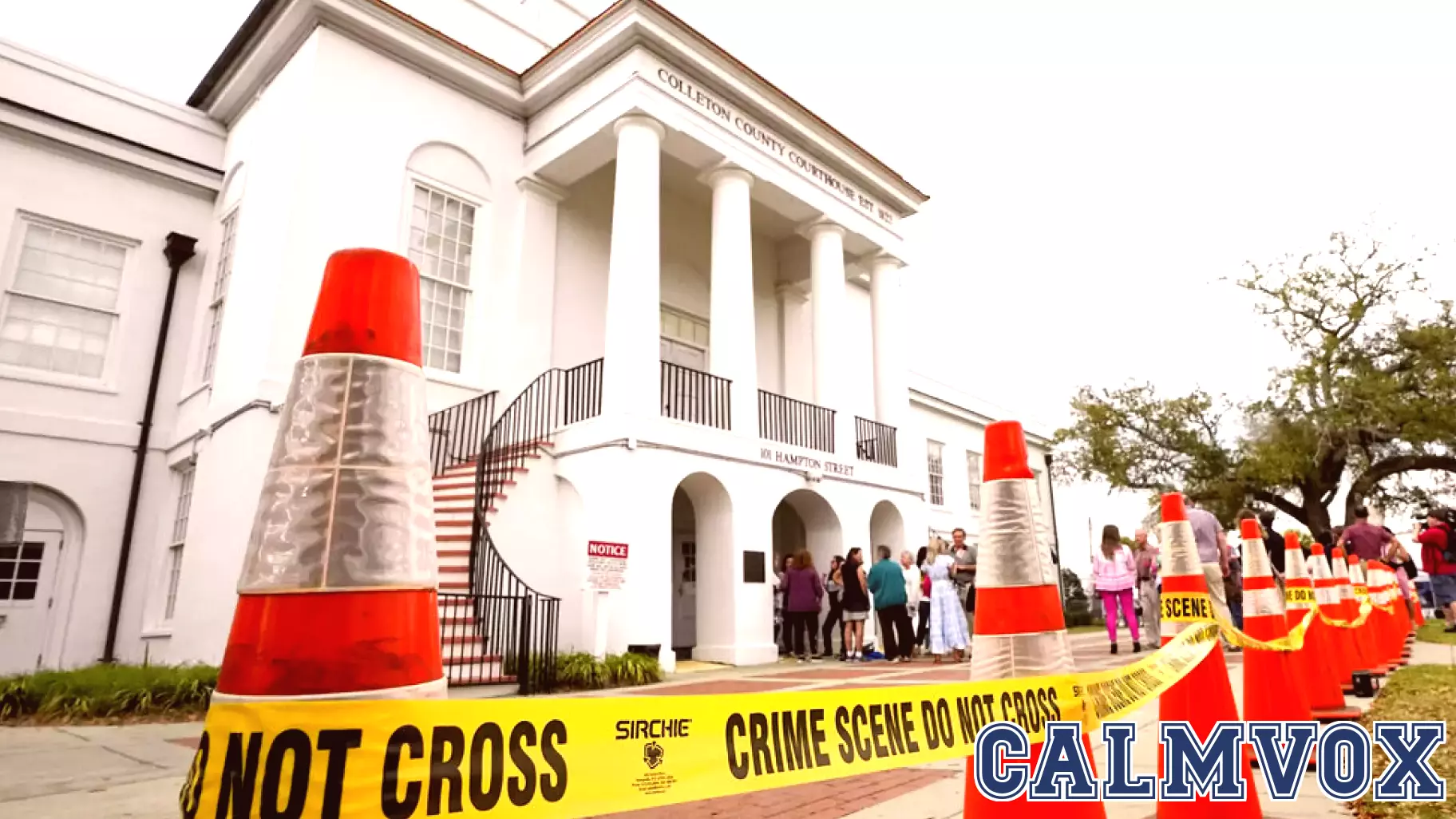
Ana Belmonte, Psy.D., the division chair for the forensic psychology department at The Chicago School, recently shared insights on the growing trend of students pursuing degrees in forensic psychology, attributing this phenomenon to the rise of true crime shows. The so-called “CSI effect” has captivated audiences and sparked interest in the complexities of criminal behavior and the justice system.
Belmonte noted that these shows often glamorize forensic science, making it appear both thrilling and accessible. As a result, many students are inspired to explore careers in this field, seeking to understand the psychological aspects of crime and the intricacies of criminal investigations. The portrayal of forensic professionals in popular media has not only increased public fascination but has also led to a surge in academic interest.
This trend highlights a shift in how crime is perceived and understood, emphasizing the importance of education in forensic psychology. As more students enroll in related programs, the field continues to evolve, reflecting society's growing curiosity about the mind behind the crime.
MORE NEWS

July 15, 2026 - 00:31
Psychology says people who remain kind despite a difficult life aren't weak or in denial — they're often running on a kind of strength that only forms under sustained pressure, the way certain metals doThis resilience is not about ignoring pain. It is about processing it without letting it turn into bitterness. When someone faces betrayal, loss, or chronic struggle and still chooses empathy, they...

July 14, 2026 - 13:58
Psychology says people who are scared of darkness aren't necessarily weak, they may experience uncertaintyFor generations, being afraid of the dark has been dismissed as childish or a sign of weakness. But recent psychological perspectives challenge that assumption. Experts now suggest that a fear of...

July 13, 2026 - 21:52
Psychology says students who are backbenchers aren't trying to hide themselves, they may be choosing theiFor years, students who sit in the back of the classroom have been labeled as lazy, rebellious, or disengaged. Teachers and parents often assume they are trying to avoid attention or escape...

July 13, 2026 - 00:51
Psychology says people who keep clothes on a chair aren't untidy, they may be creating a practical middleFor years, leaving a pile of clothes draped over a chair has been seen as a sign of laziness or clutter. But a growing number of psychologists argue that this habit is actually a sign of a...