The Impact of Food Dyes on Brain Health
August 7, 2025 - 18:56
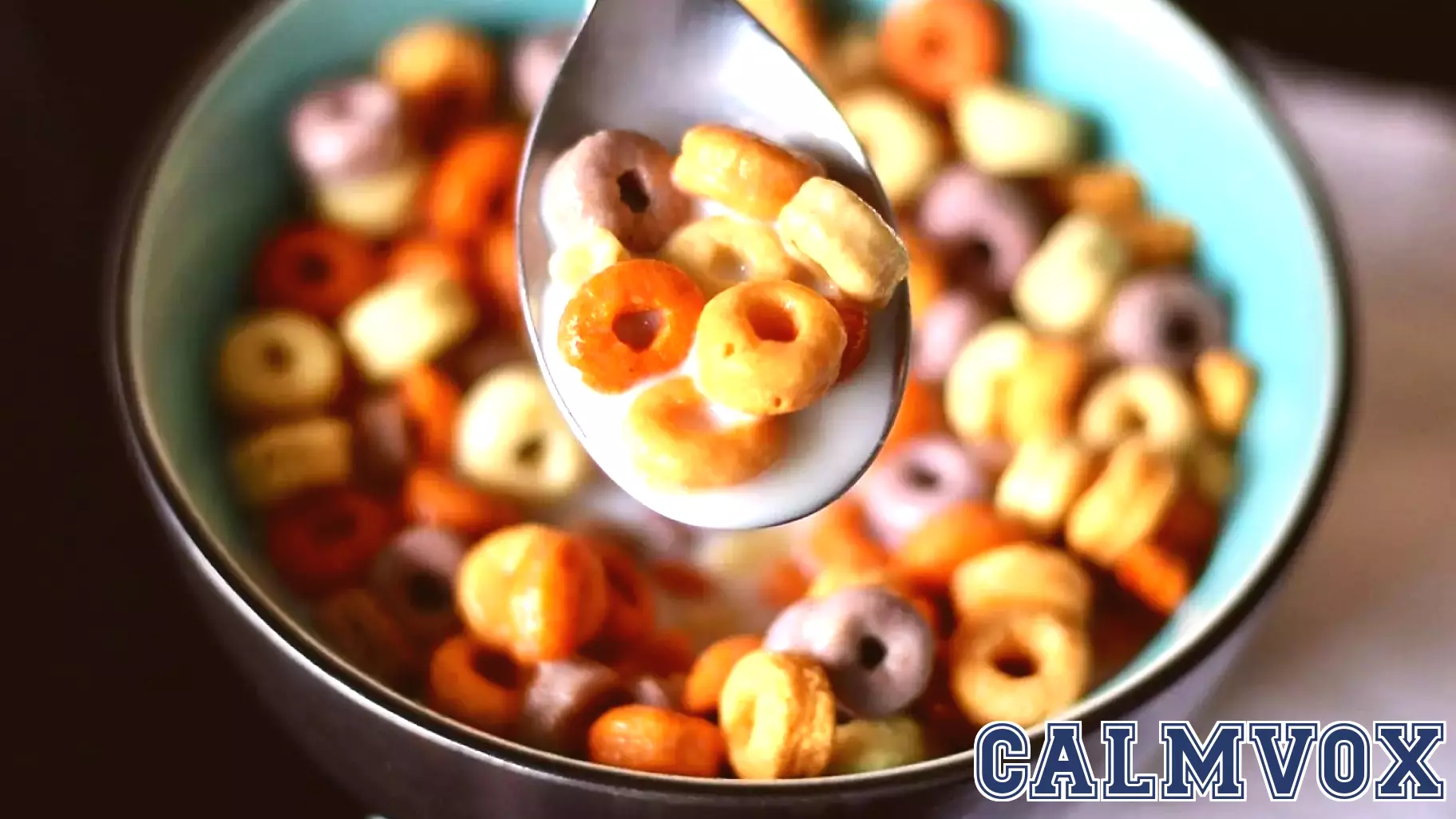
We are often warned that food dyes are harmful to humans. Do they actually affect the brain? Recent discussions among health experts have raised concerns about the potential neurological effects of artificial food colorings commonly found in many processed foods. These vibrant dyes, used to enhance the visual appeal of snacks, candies, and beverages, have been scrutinized for their possible links to behavioral issues in children, including hyperactivity and attention deficits.
Research has suggested that certain synthetic dyes may trigger adverse reactions in susceptible individuals, leading to increased anxiety and restlessness. Moreover, some studies indicate that these additives could interfere with cognitive functions, potentially impacting learning and memory. While the full extent of their effects is still under investigation, many parents are becoming more cautious about the consumption of brightly colored foods.
As awareness grows, there is a shift towards natural alternatives in food coloring, prompting manufacturers to reconsider their ingredient choices. The conversation around food dyes and their influence on brain health is likely to continue, urging consumers to be more mindful of what they eat.
MORE NEWS

July 15, 2026 - 00:31
Psychology says people who remain kind despite a difficult life aren't weak or in denial — they're often running on a kind of strength that only forms under sustained pressure, the way certain metals doThis resilience is not about ignoring pain. It is about processing it without letting it turn into bitterness. When someone faces betrayal, loss, or chronic struggle and still chooses empathy, they...

July 14, 2026 - 13:58
Psychology says people who are scared of darkness aren't necessarily weak, they may experience uncertaintyFor generations, being afraid of the dark has been dismissed as childish or a sign of weakness. But recent psychological perspectives challenge that assumption. Experts now suggest that a fear of...

July 13, 2026 - 21:52
Psychology says students who are backbenchers aren't trying to hide themselves, they may be choosing theiFor years, students who sit in the back of the classroom have been labeled as lazy, rebellious, or disengaged. Teachers and parents often assume they are trying to avoid attention or escape...

July 13, 2026 - 00:51
Psychology says people who keep clothes on a chair aren't untidy, they may be creating a practical middleFor years, leaving a pile of clothes draped over a chair has been seen as a sign of laziness or clutter. But a growing number of psychologists argue that this habit is actually a sign of a...